- Category
- World
Europe Is Fortifying Its Russian Frontier—Finland Just Finished 125 Miles of Fencing
 Prefer U24 Media on Google
- Authors


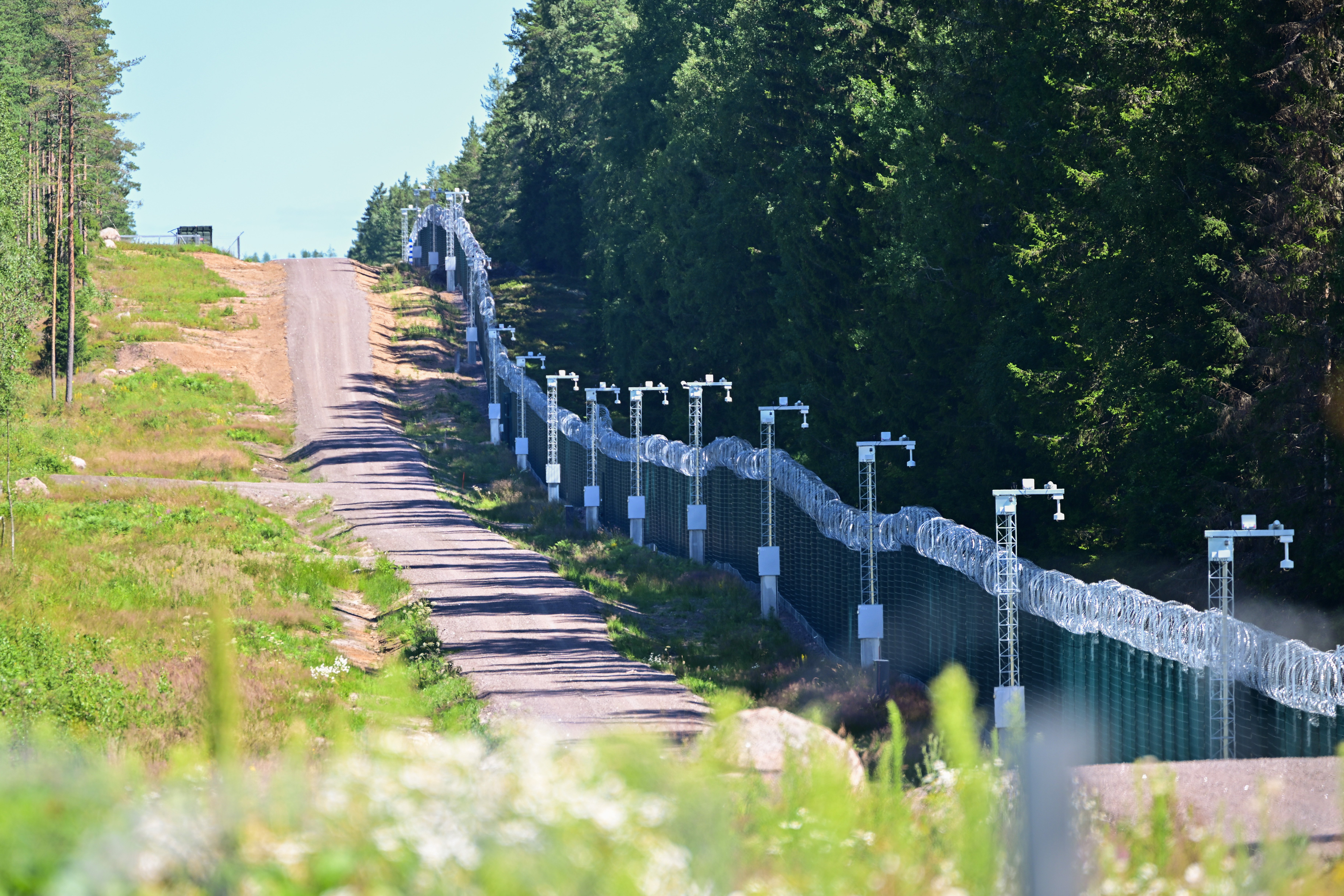
Finland has completed roughly 200 kilometers, or 125 miles, of new fencing along selected sections of its border with Russia, marking another major step in Europe’s accelerating effort to harden NATO’s eastern frontier, Finnish broadcaster Yle reported on September 7.
The project, launched in 2023, cost approximately $413 million and is expected to require around $1.74 million annually for maintenance.
We bring you stories from the ground. Your support keeps our team in the field.
The barrier consists of a tall metal mesh fence equipped with surveillance cameras, lighting and loudspeakers. A dedicated patrol road runs alongside it, allowing Finnish border guards to quickly move along the protected sections.
The fencing is spread across several strategically selected areas rather than covering Finland’s entire border with Russia.
About 140 kilometers are located in South Karelia and Kymenlaakso, another 35 kilometers in North Karelia, and roughly 25 kilometers across Kainuu, Koillismaa and Lapland.
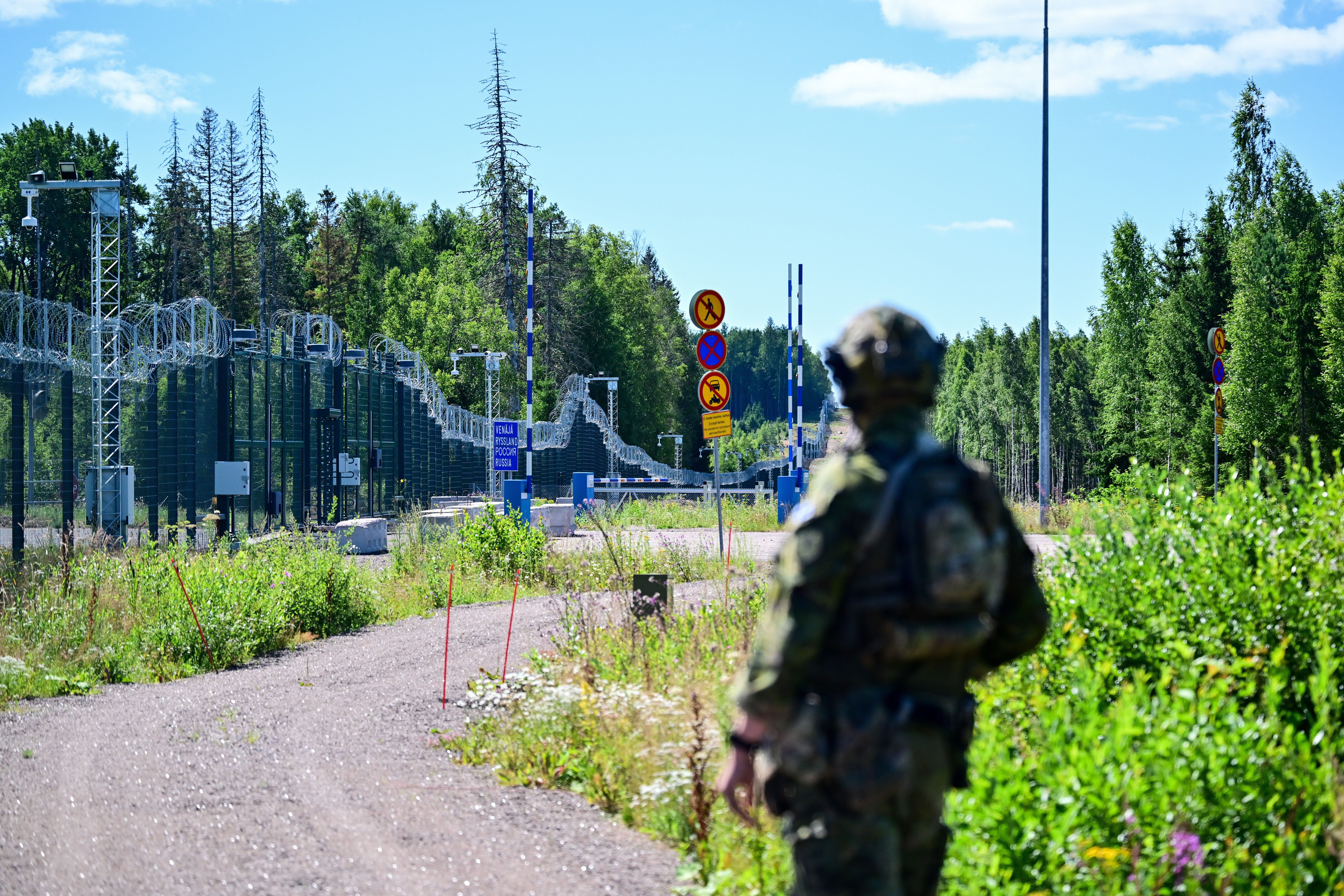
Finnish authorities initially launched the project to prevent unauthorized border crossings, but it has become part of a much broader shift across northern and eastern Europe as NATO members strengthen infrastructure facing Russia and Belarus.
The Baltic states are simultaneously developing the Baltic Defence Line, a system of anti-tank barriers, trenches, bunkers and other fortifications along their eastern borders.
Estonia has already completed around 110 kilometers of its planned 135-kilometer barrier network, with the remaining 25 kilometers expected to be finished by 2027.
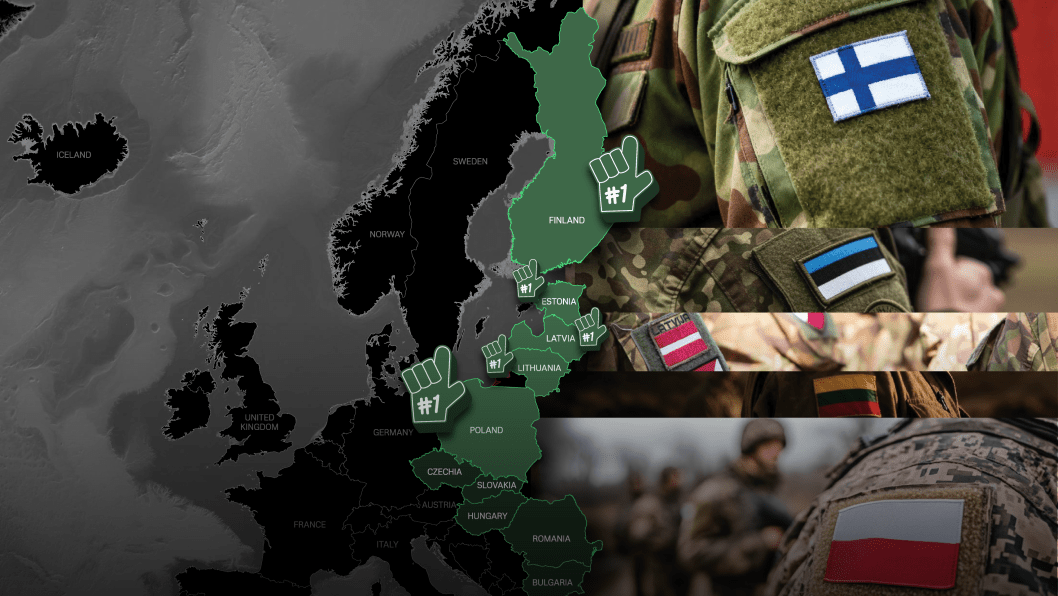
Latvia has built approximately 280 kilometers of fencing along its border with Russia and is now adding roads, bridges, observation towers and other engineering infrastructure. It previously completed another 145-kilometer barrier along its frontier with Belarus.
Poland is pursuing an even larger project. Warsaw’s Eastern Shield is planned to stretch roughly 700 kilometers along the Belarusian border and Russia’s Kaliningrad region, with a budget of approximately $2.67 billion.
The project includes anti-tank obstacles, fortified positions, surveillance systems and other military infrastructure intended to slow or disrupt a potential hostile advance.
Norway is also reinforcing its 198-kilometer border with Russia, with plans to install fencing in selected areas alongside modern sensors, surveillance cameras and drones.
Discuss this article:



-72b63a4e0c8c475ad81fe3eed3f63729.jpeg "Photo of Cyril Barabaltchouk")


-8316a51e7339d28e1b71bbd4bfdc46ab.jpg "USS Charleston (LCS 18) in the Pacific on May 11, 2021.")