- Category
- War in Ukraine
Is the US Losing the Race for the Arctic to Russia?
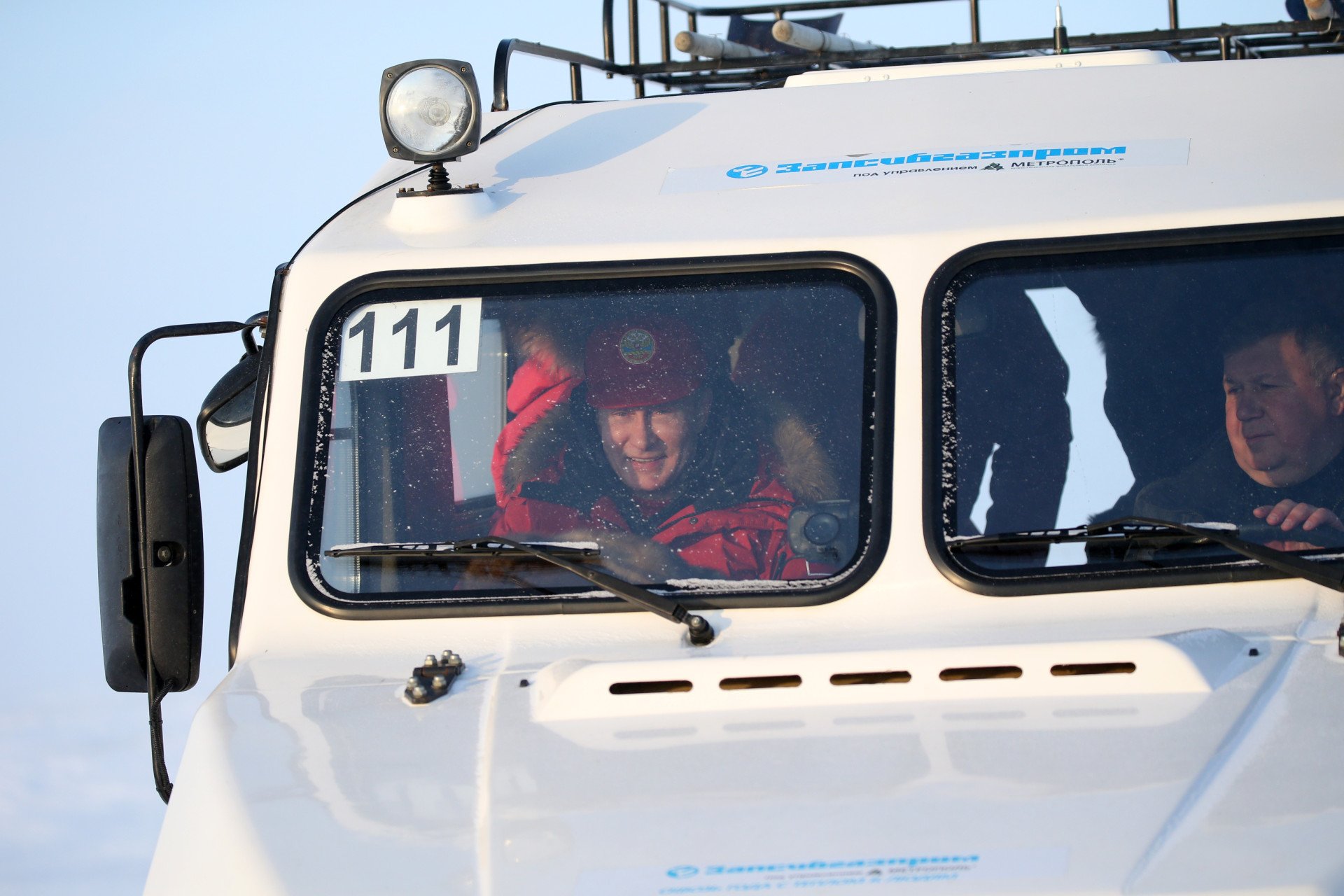
Russia is rapidly expanding its Arctic military presence, while the United States is still racing to rebuild capabilities after decades of declining investment.
 Prefer U24 Media on Google
- Authors


According to an analysis published by Business Insider on July 17, Russia has steadily expanded its military, energy, and transport infrastructure across the Arctic while the United States has seen much of its regional footprint reduced or abandoned.
We bring you stories from the ground. Your support keeps our team in the field.
Based on satellite imagery, shipping data, military maps, and thermal imaging, the analysis concludes that Washington is now racing to rebuild capabilities and narrow a widening strategic gap.
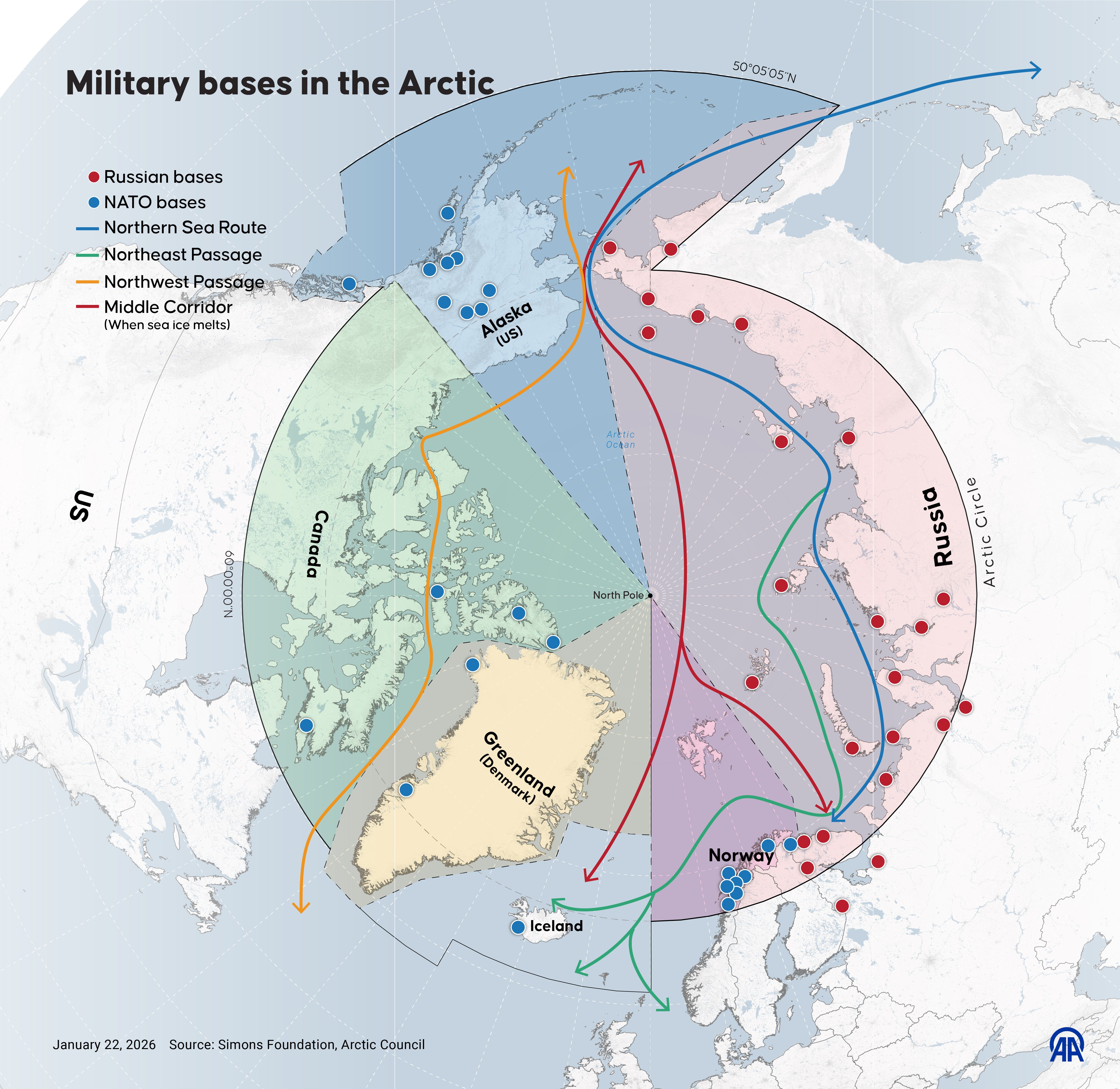
Russia’s Arctic expansion
According to Business Insider, Russia’s Arctic coastline stretches roughly 24,000 kilometers (15,000 miles), providing direct access to nearly three dozen oil and gas fields that have become increasingly valuable as shrinking sea ice opens new shipping routes and resource deposits.
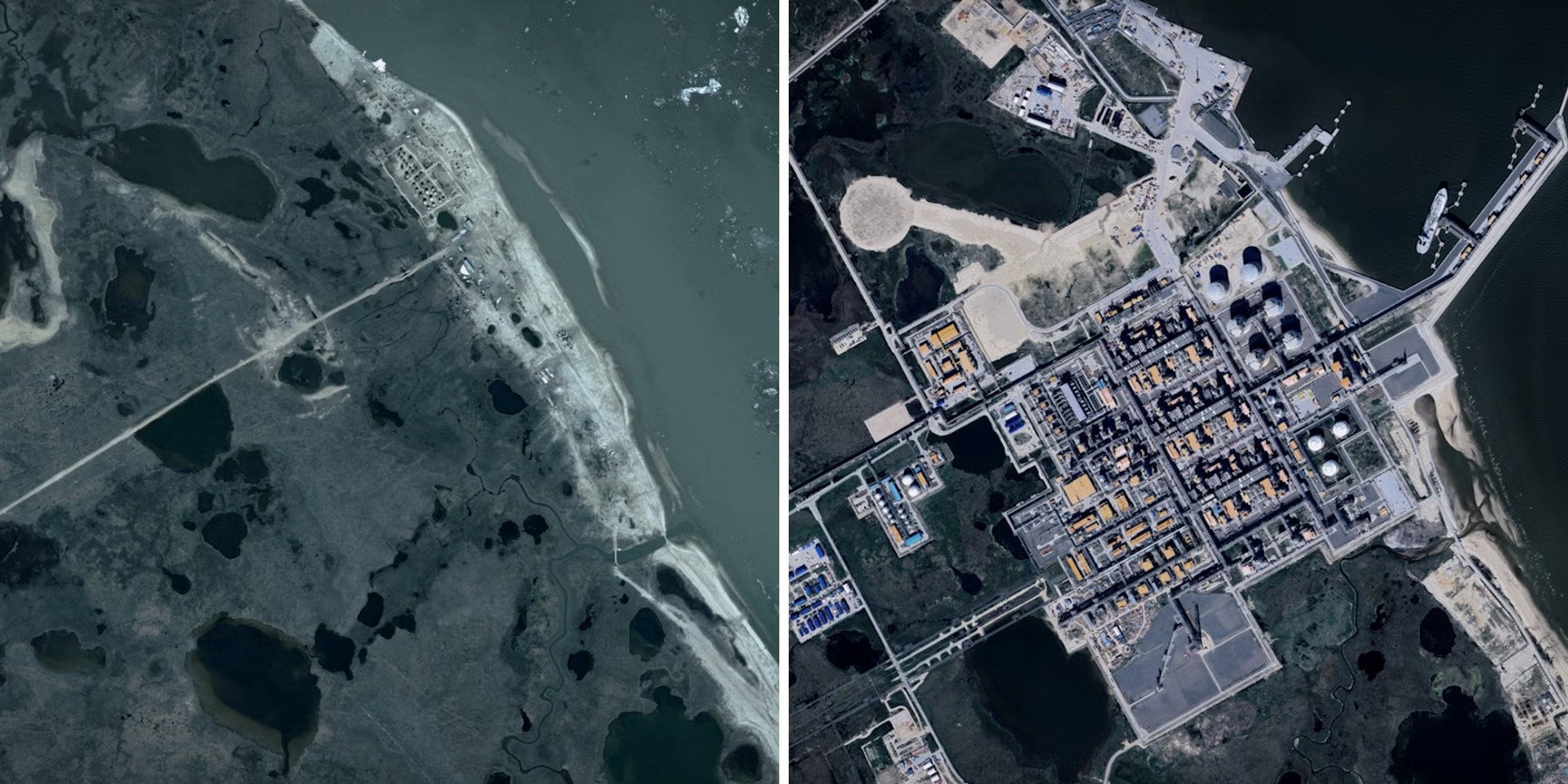
One of the key centers of Russia’s Arctic expansion is the Yamal Peninsula, where LNG export infrastructure has grown substantially over the past decade. Shipping data cited by Business Insider shows vessels completed more than 100 full transits of the Northern Sea Route in 2025, transporting over 3 million tonnes of cargo—the highest volume ever recorded.
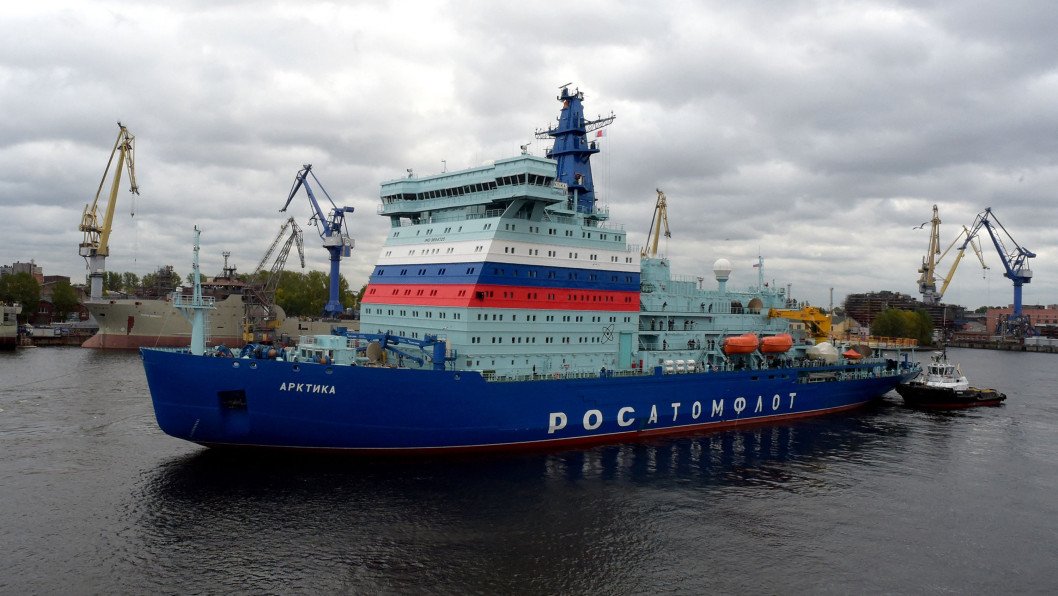
Supporting that expansion is Russia’s fleet of 42 icebreakers, including 13 heavy icebreakers capable of operating year-round in Arctic conditions. By comparison, the United States currently operates a single heavy icebreaker, the US Coast Guard’s Polar Star, which entered service in the 1970s.
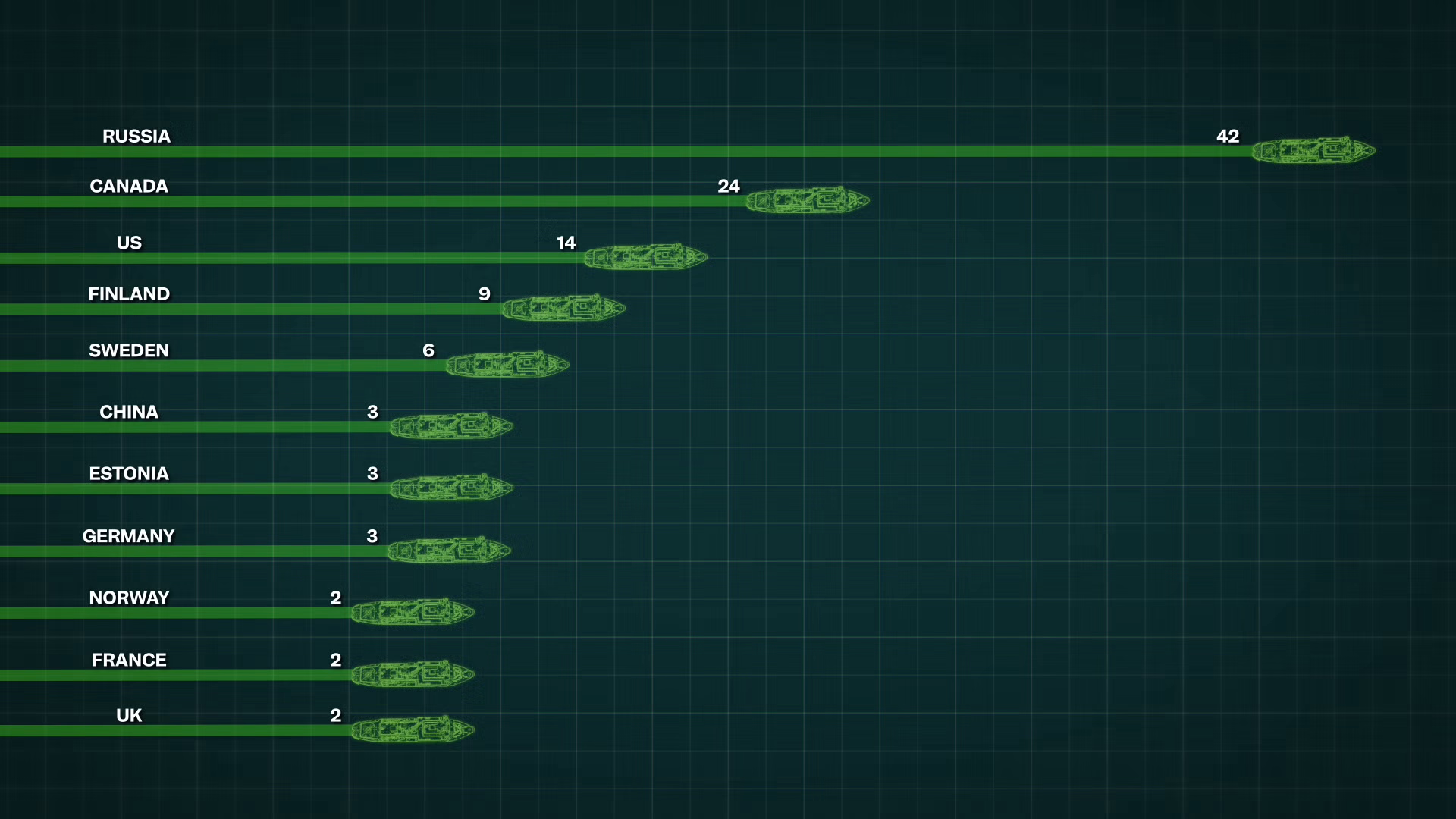
Since 2018, Russia has commissioned eight new heavy icebreakers, including four nuclear-powered vessels. Construction of its next-generation Leader-class icebreaker has fallen behind schedule and is now expected no earlier than 2030 due to supply chain disruptions caused by Russia’s war against Ukraine, Business Insider reported.
Military buildup across the High North
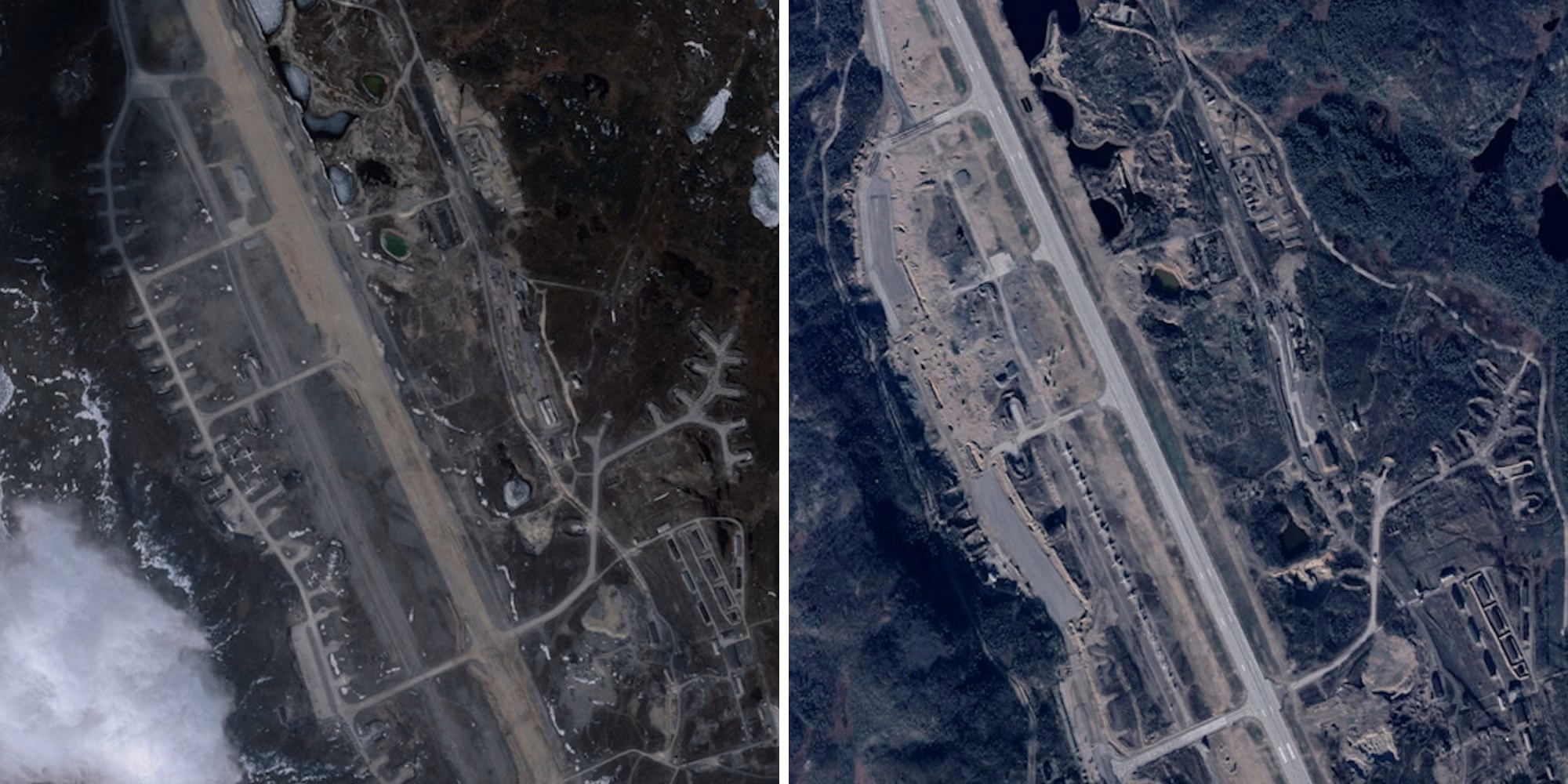
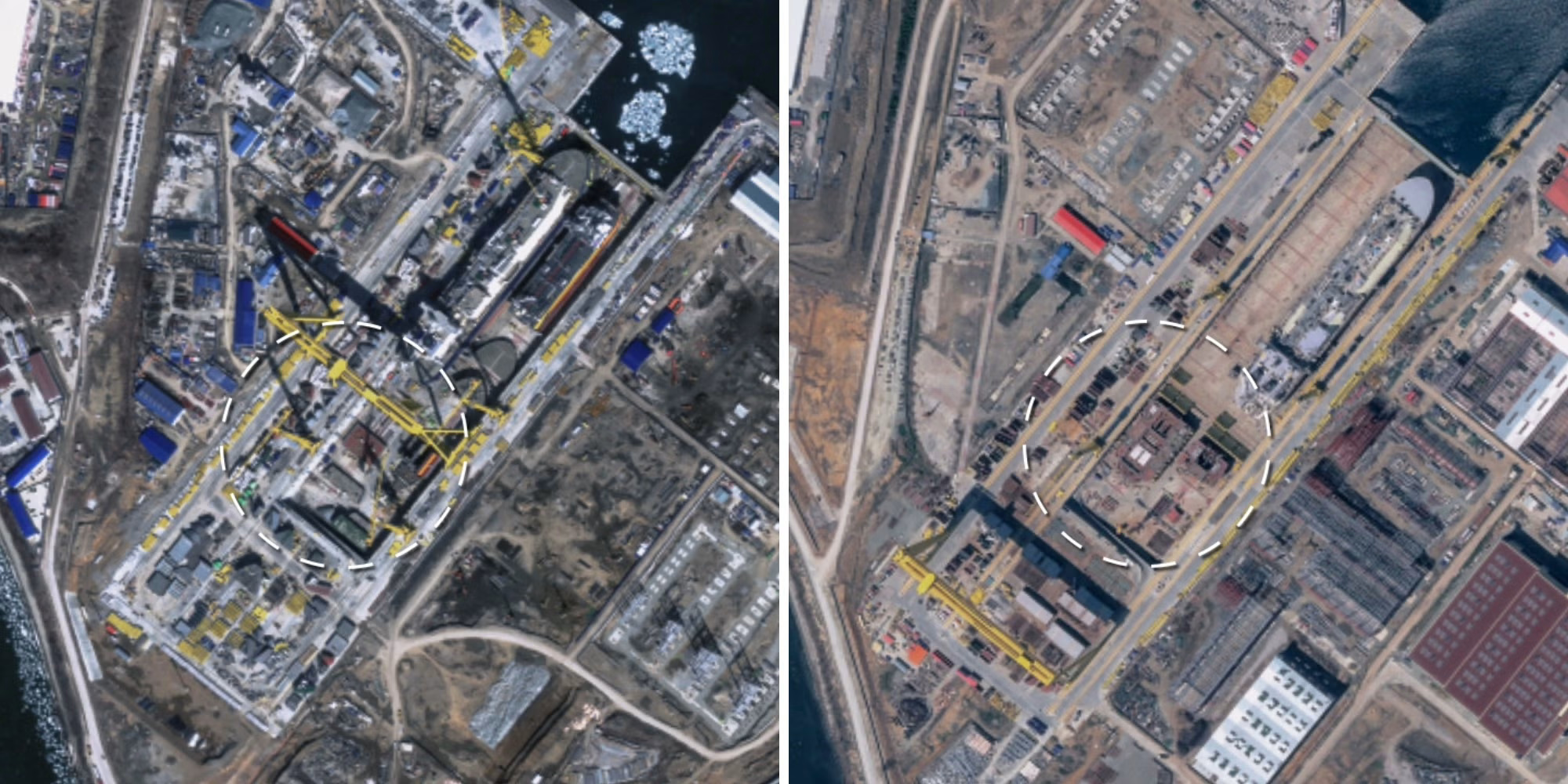
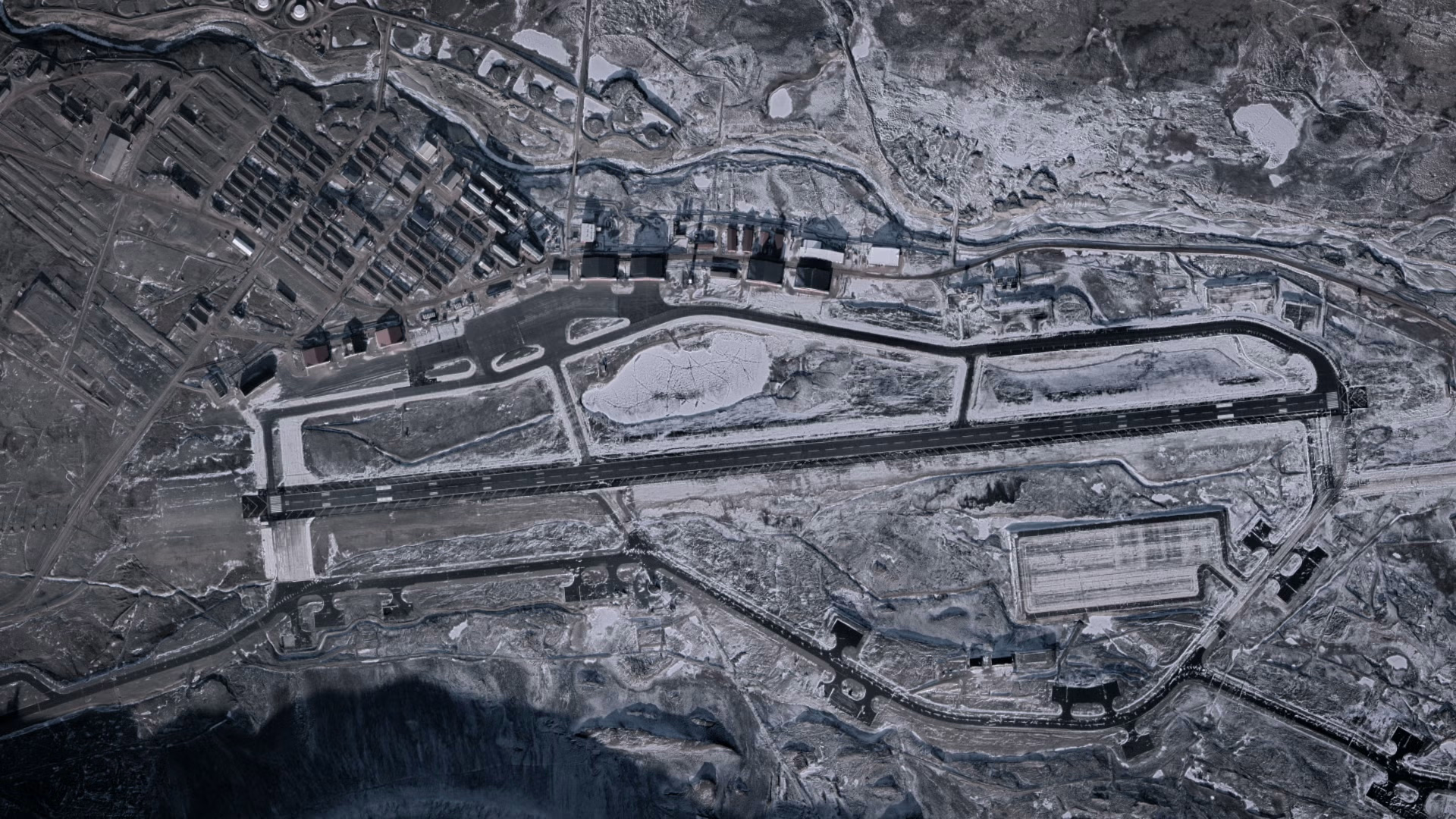
The publication also documented continued military expansion across Russia’s Arctic territories. Satellite imagery shows new taxiways and expanded aircraft parking areas at Severomorsk-1 air base, where analysts identified Tu-142 maritime patrol aircraft alongside Sukhoi fighter jets.
Additional modernization is underway at Severomorsk-3 and military facilities near Petrozavodsk as part of Russia’s Arctic airfield development program through 2030. The plan includes constructing two new airfields and upgrading seven existing facilities supporting the Northern Fleet.
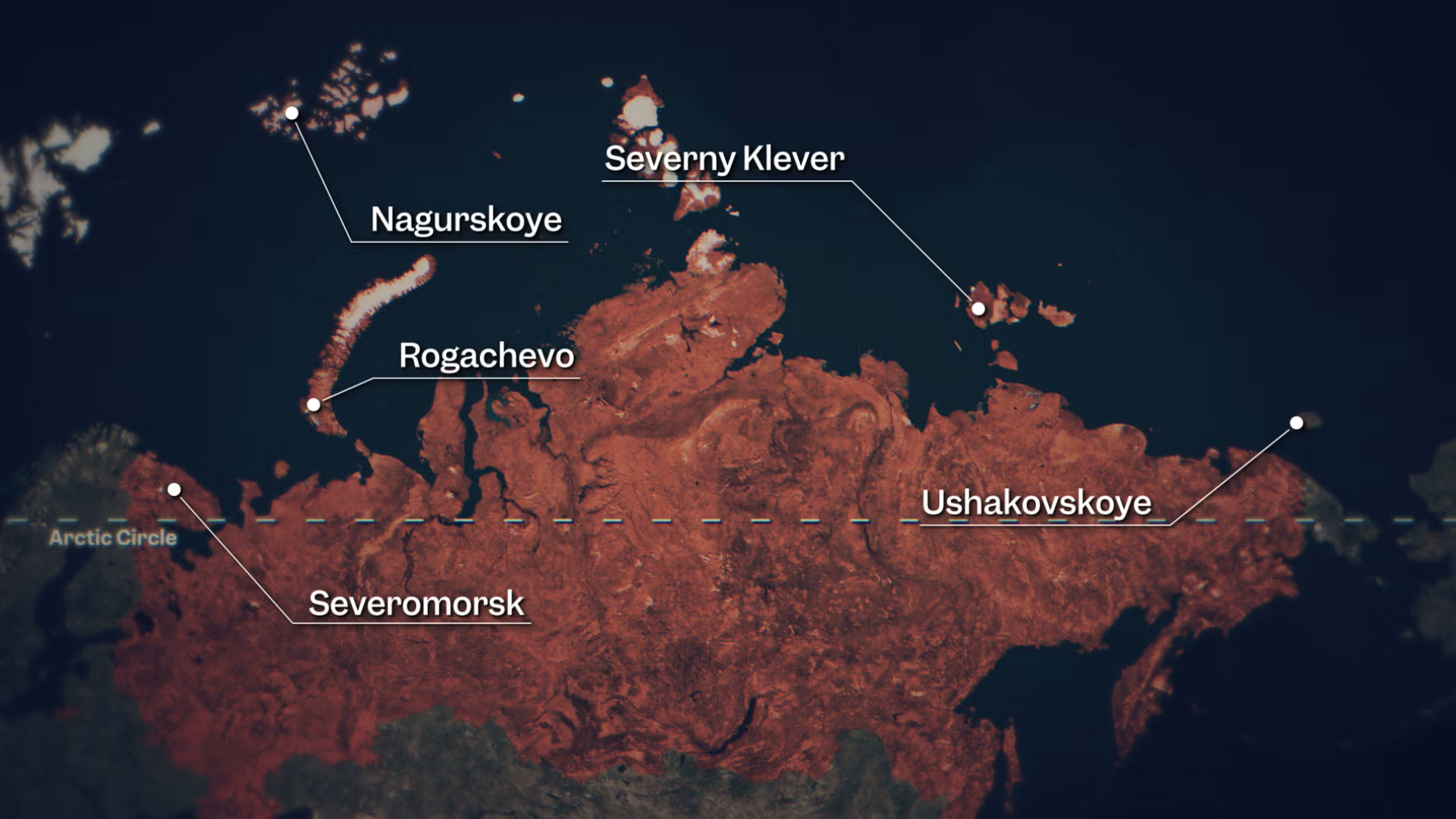
Beyond the Kola Peninsula, Business Insider identified major Russian military sites at Nagurskoye, Rogachevo, Severny Klever, and Ushakovskoye on Wrangel Island, approximately 480 kilometers (300 miles) from Alaska.
The US tries to close the gap
According to Business Insider, the US military presence in the Arctic has moved in the opposite direction. Despite Alaska extending into the Arctic Circle, the United States has never maintained a permanent military base within the Arctic Circle on its own territory.
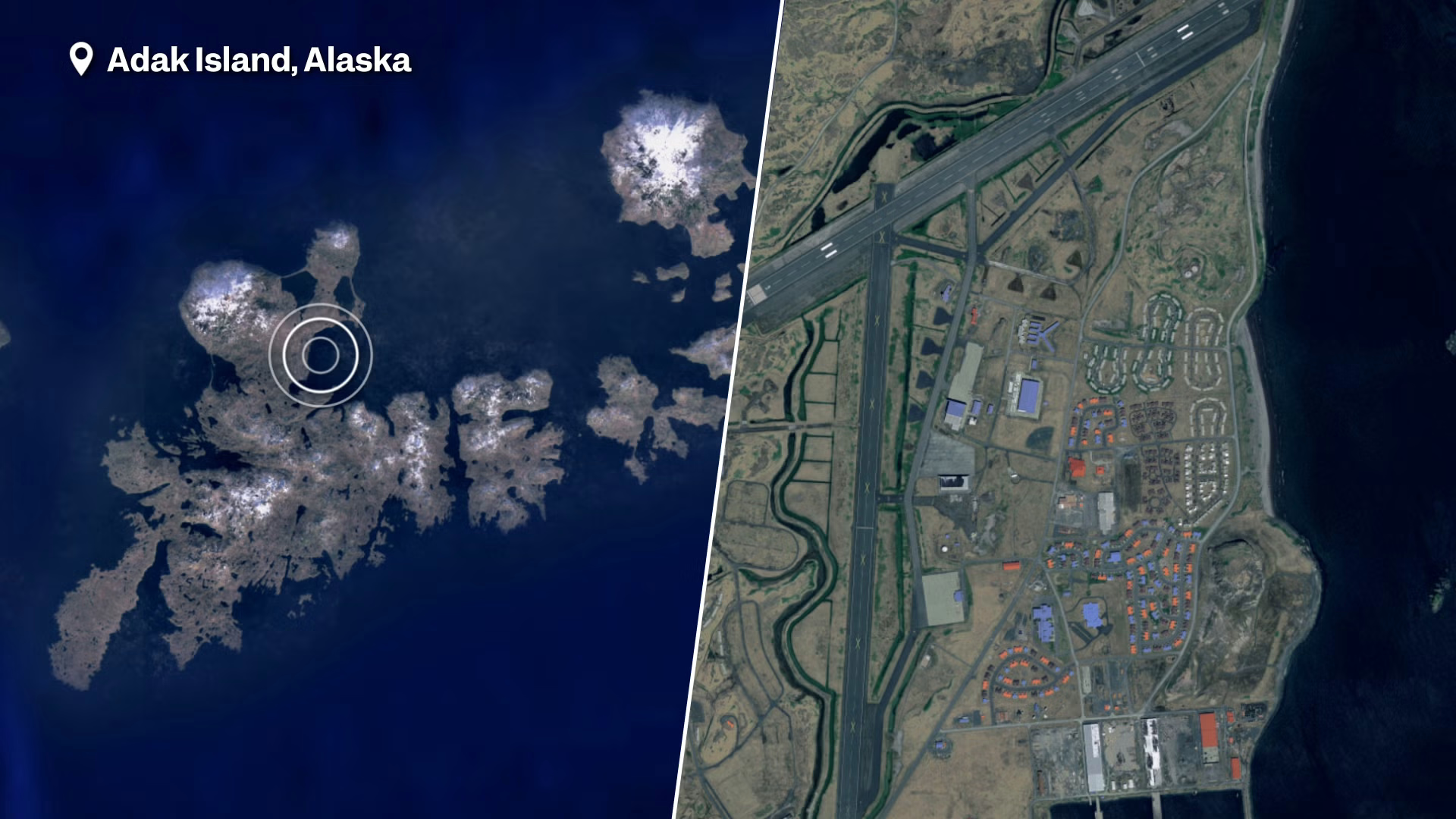
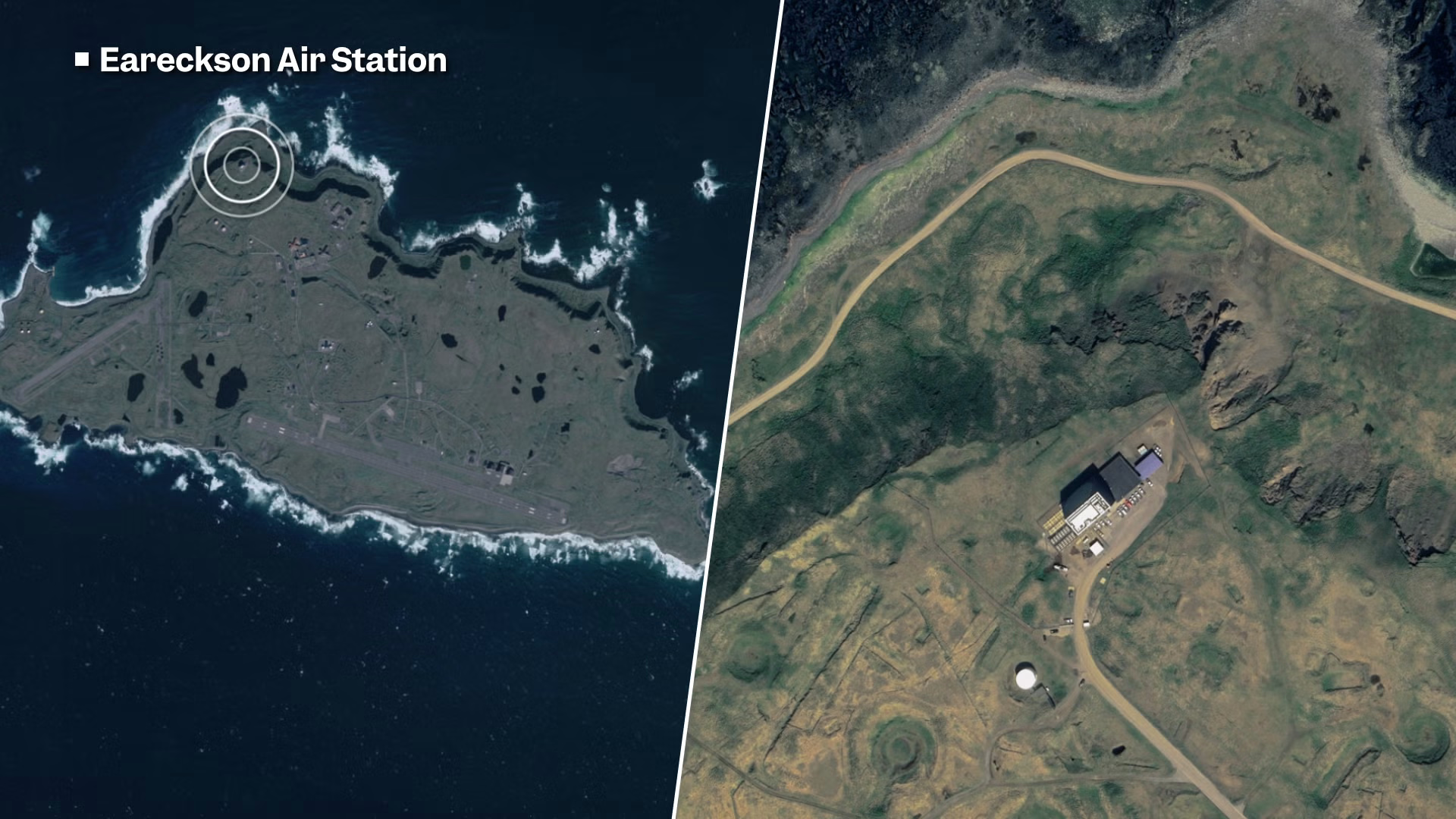
Many military facilities constructed during World War II have since been abandoned. Today, the permanent US presence in the Aleutian Islands consists primarily of Eareckson Air Station, which operates a long-range early warning radar, and a Coast Guard unit typically assigned a single cutter.
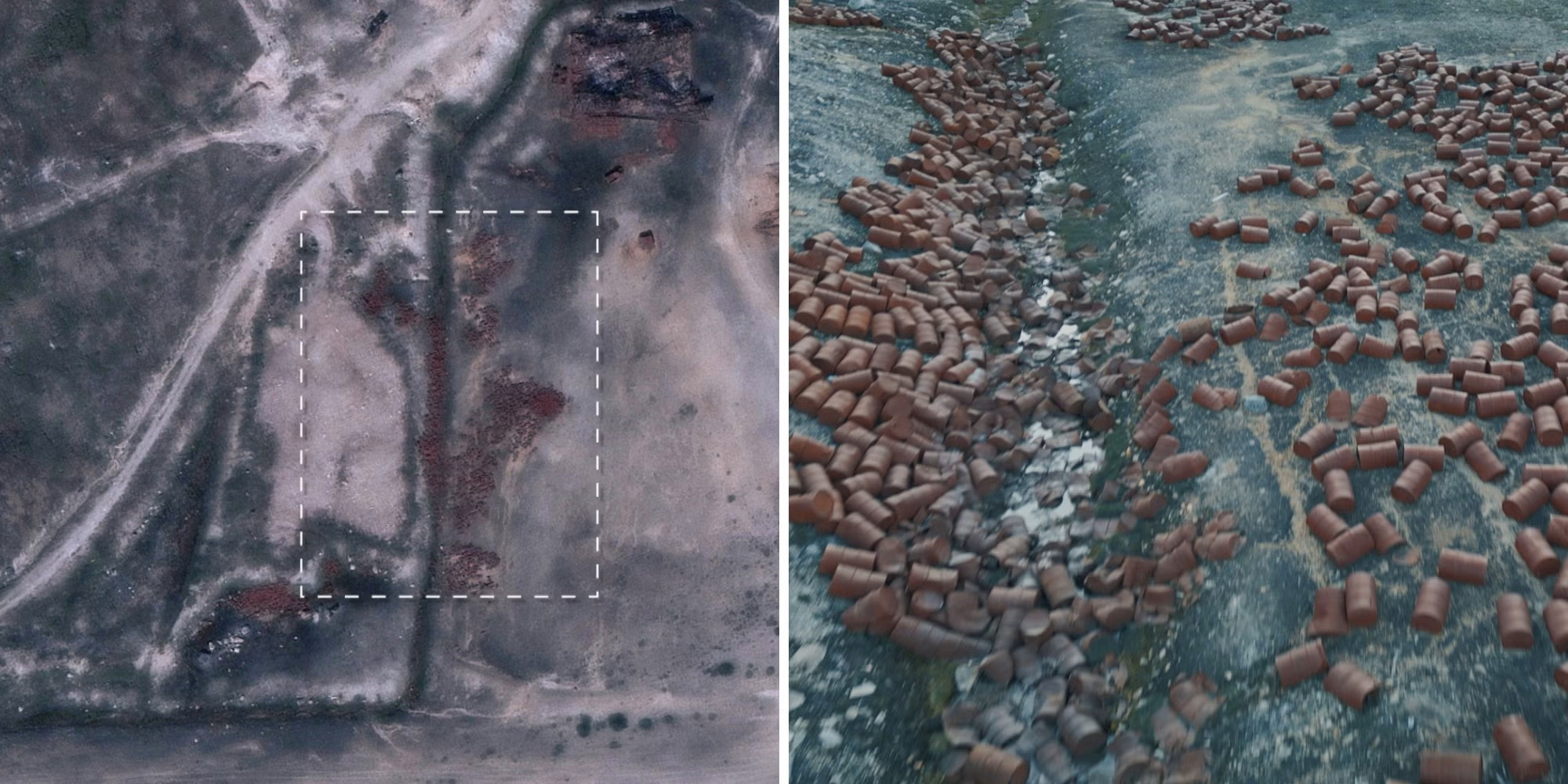
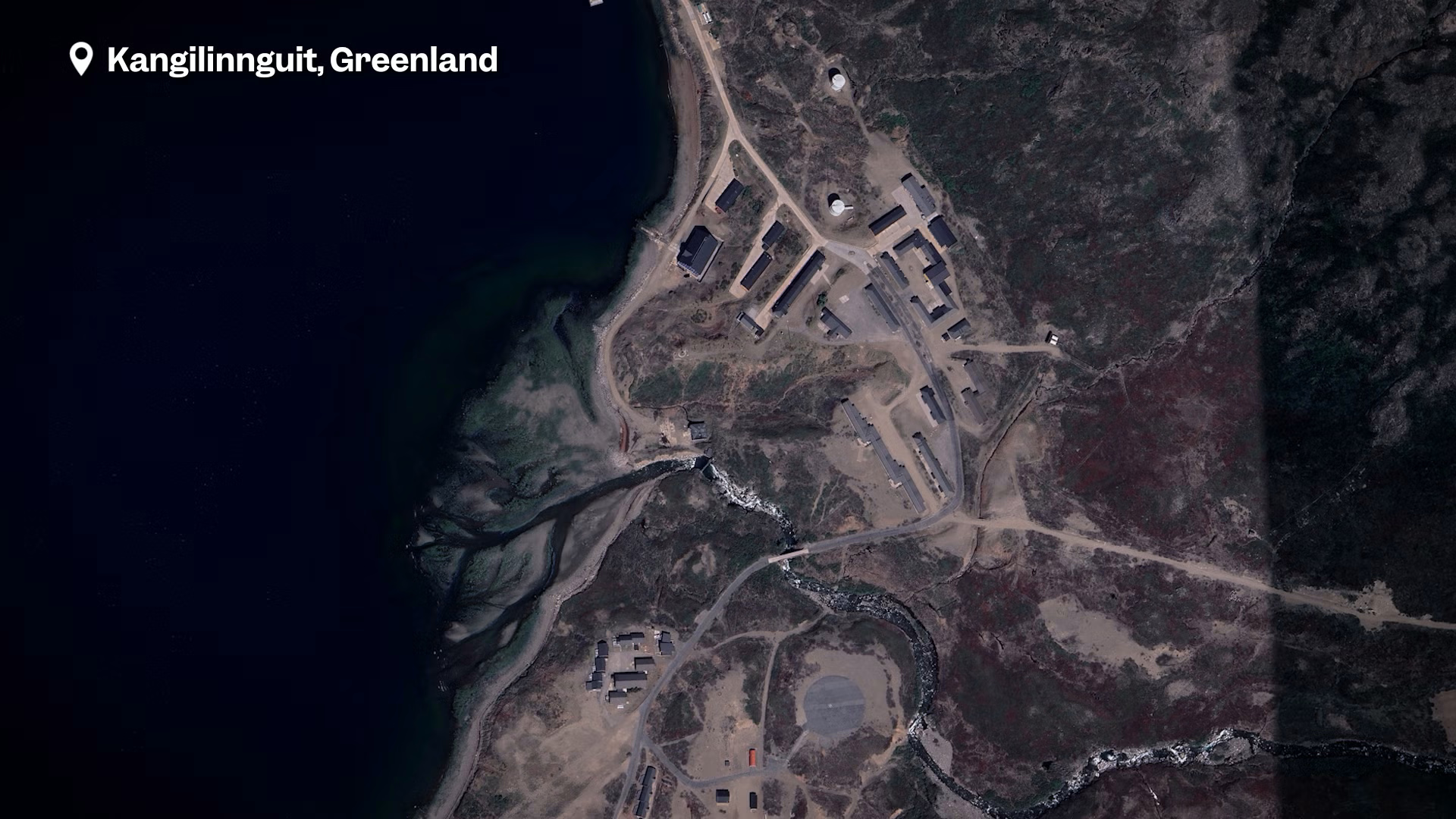
A similar decline has taken place in Greenland. Of roughly 20 US military installations established during World War II, only Pituffik Space Base remains operational. Once home to around 10,000 personnel during the Cold War, the installation now maintains a permanent population of approximately 650.
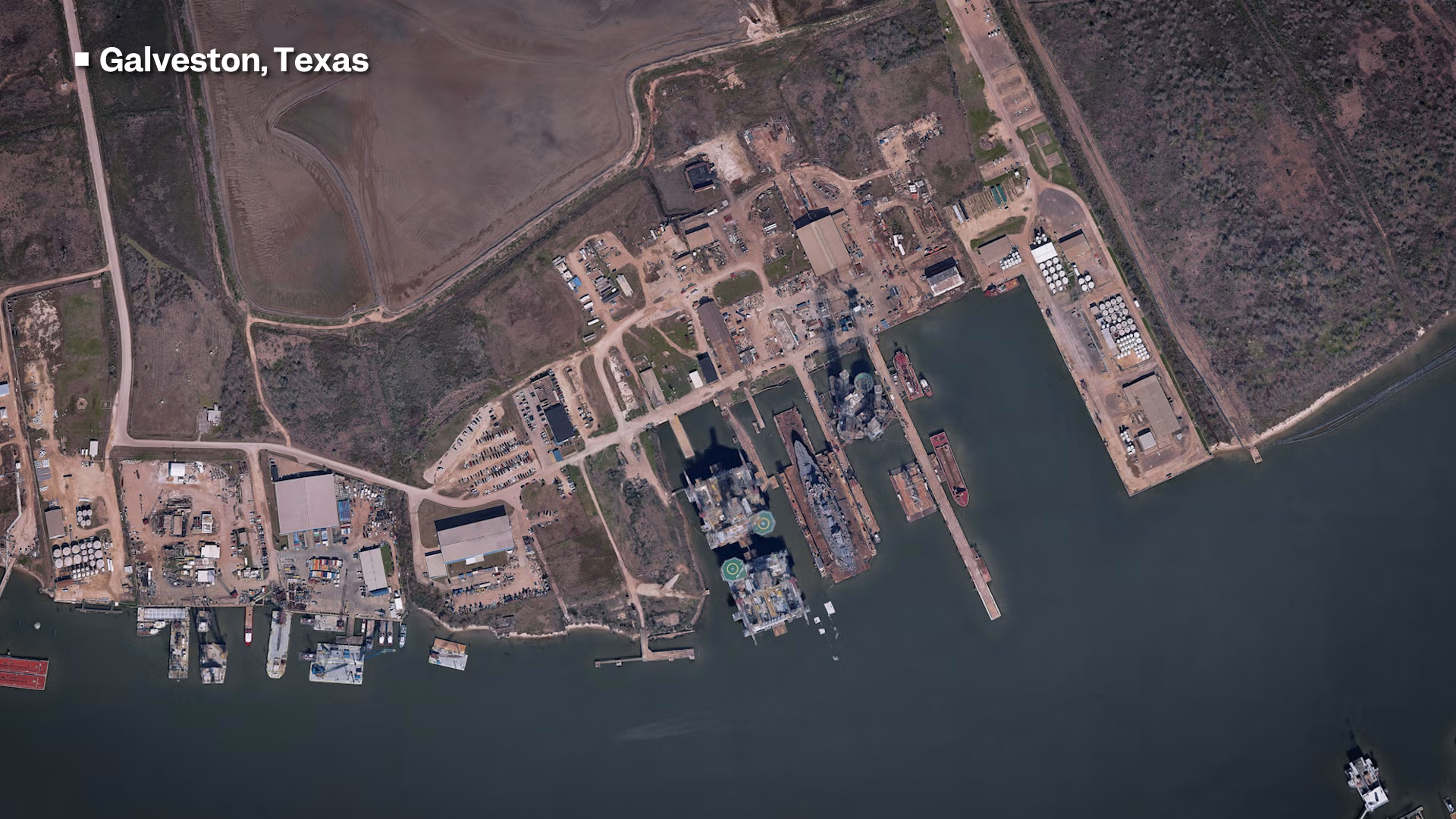
To reverse the trend, Washington has launched new Arctic initiatives. Business Insider reports that the United States has joined Canada and Finland in a trilateral effort to expand icebreaker production, while Davie Defense plans to invest $1 billion in converting two Texas shipyards into facilities capable of building heavy icebreakers.
Growing competition in the Arctic
The report also notes that competition in the Arctic increasingly involves China, which has expanded regional investments and conducted joint military exercises and naval patrols with Russia since 2018, including operations near Alaska.
The Arctic has become an increasingly important arena of competition between Russia and NATO. In June, Norwegian Defense Minister Tore Sandvik warned that Russia’s expanding military presence in the region could strengthen its Northern Fleet, improve access to the Atlantic, and potentially place London and parts of Northern Europe within range of Russian hypersonic weapons.
Discuss this article:
-9a7b3a98ed5c506e0b77a6663f5727c5.png)


-c439b7bd9030ecf9d5a4287dc361ba31.jpg "Photo of Katherina Popilnichenko")