- Category
- World
China Complies With Western Sanctions, Restricts Arctic Marine Technology to Russia
 Prefer U24 Media on Google
- Authors

-72b63a4e0c8c475ad81fe3eed3f63729.jpeg "Photo of Cyril Barabaltchouk")
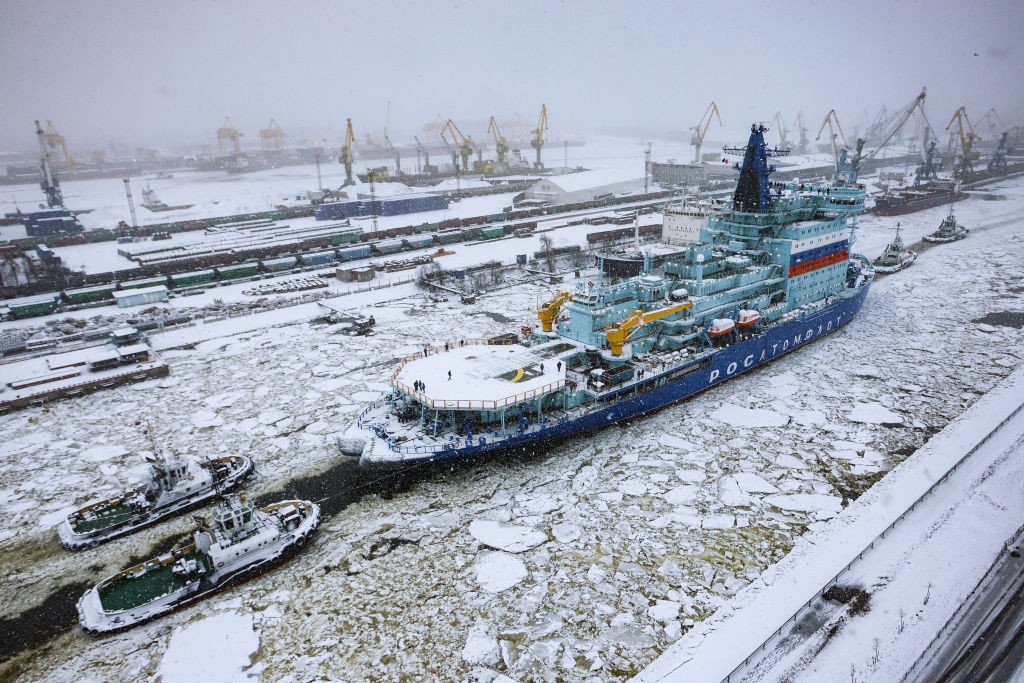
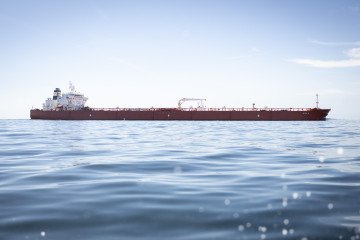
China has effectively aligned with Western sanctions by withholding critical marine technology required for Russia’s Arctic-class vessels, The Moscow Times reported on July 17.
This has reportedly been severely disrupting Moscow’s strategic expansion of its Northern Sea Route.
We bring you stories from the ground. Your support keeps our team in the field.
According to a specialized presentation by Russia’s Central Research Institute of the Marine Fleet (CNIIMF) analyzed by the publication, Chinese alternatives for propulsion and steering systems on large-capacity ice-class ships are only viable under the condition that international sanction pressure is eased.
China’s compliance reportedly leaves Russian energy firms without a reliable alternative supply chain, as domestic shipyards do not manufacture these complex engineering components, Western imports are legally barred, and Chinese manufacturers refuse to bypass secondary sanctions risks.
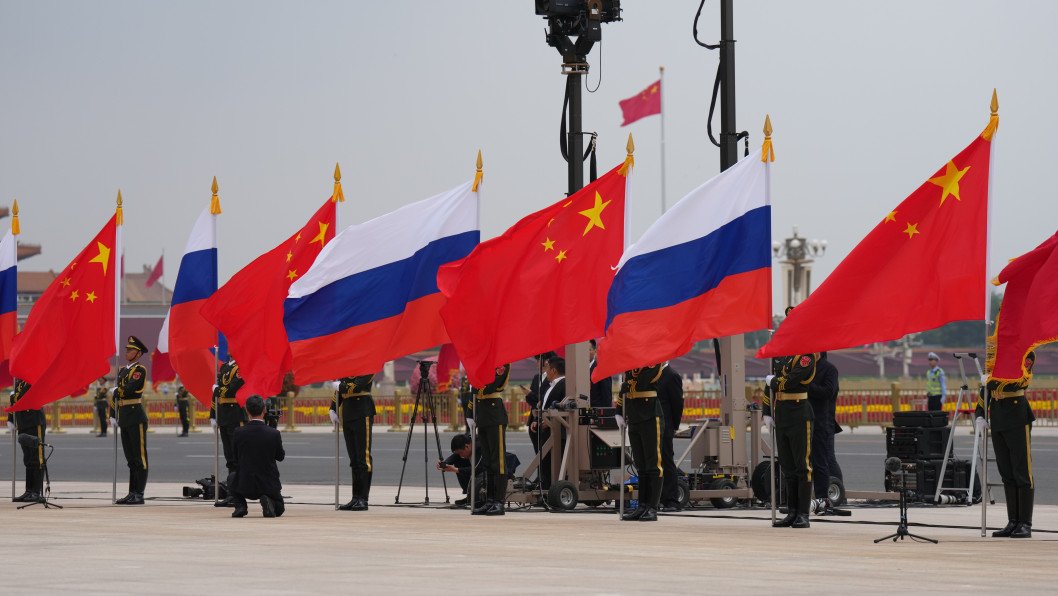
The technical shortfall creates a severe deficit for Russian maritime logistics, with CNIIMF data published by The Moscow Times indicating that Russian enterprises require at least 23 Arc7 ice-class vessels by 2030 to secure year-round Arctic navigation. This fleet comprises ten oil tankers, five liquefied natural gas (LNG) carriers, three dry cargo vessels, and five specialized tankers split between gas condensate and liquefied petroleum gas.
Emphasizing the gridlock, CNIIMF Deputy Director Aleksandr Buyanov stated that domestic shipyards are structurally incapable of fulfilling these orders due to the total absence of necessary foreign-sourced machinery.
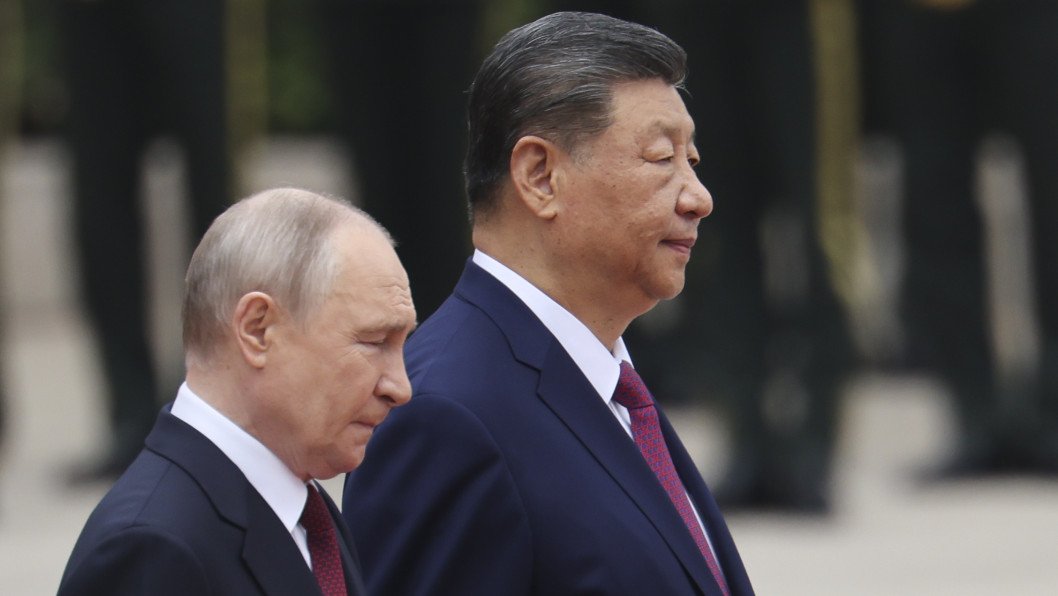
This industrial stagnation directly undermines Russian leader Vladimir Putin’s flagship economic ambition to transform the 5,600-kilometer Arctic passage into a high-volume commercial artery capable of bypassing traditional global shipping routes. Despite initial state mandates projecting annual cargo volumes to reach 80 million tons by 2024 and 200 million tons by 2030, The Moscow Times noted that actual shipping volumes stagnated at 37.9 million tons in 2024 before contracting to 37.02 million tons in 2025.
In response to these persistent supply-chain constraints, state operators have drastically lowered their long-term forecasts, with Putin recently reducing the official 2030 cargo estimate to a maximum of 100 million tons, a figure driven almost exclusively by subsidized Russian state energy exports rather than international transit.
Beijing’s compliance with maritime hardware mirrors strategic and economic disagreements during the construction of the multi-billion-dollar Power of Siberia-2 gas pipeline. Chinese negotiators have recently stalled construction on it, demanding heavily discounted Russian energy prices.
Discuss this article:
-4a56a6b482ec132402c16ef6fcabf9a2.png)


-605be766de04ba3d21b67fb76a76786a.jpg "Joseph Place")