- Category
- War in Ukraine
Russia’s Starlink Ambitions Are Sky-High, but Its Satellites Can’t Reach Their Target Altitude
 Prefer U24 Media on Google
- Authors


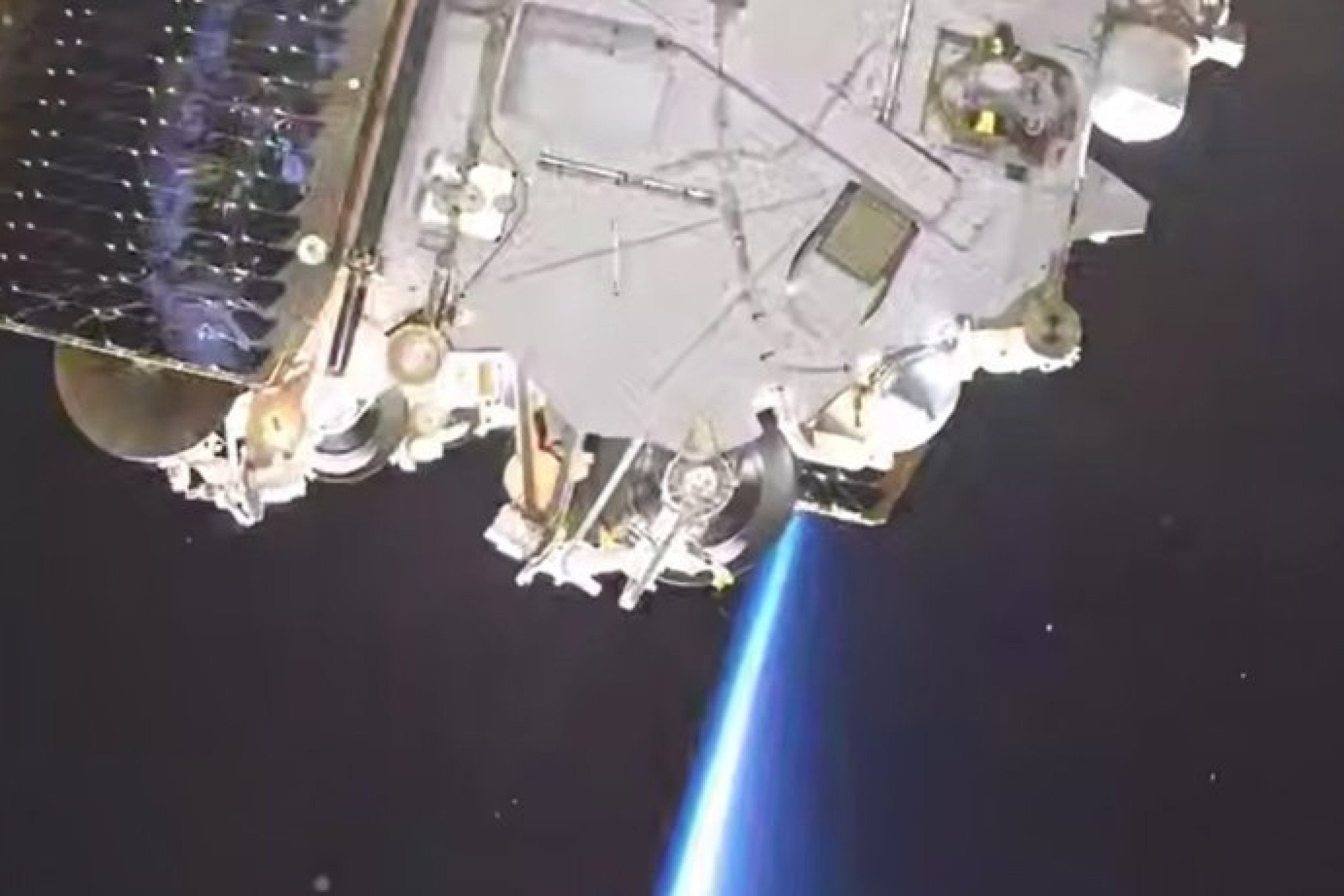
Russia is attempting to accelerate the deployment of its Rassvet low-Earth-orbit satellite communications system, promoted as a domestic alternative to Starlink, despite significant technical challenges and delays, according to Ukraine’s Defense Intelligence Directorate (HUR) on November 13.
The project faces several obstacles, including dependence on foreign electronic components, difficulties placing satellites into their designated orbits, and challenges developing compact user terminals.
We bring you stories from the ground. Your support keeps our team in the field.
According to HUR, the third satellite launch scheduled for 2026 has been canceled or postponed, raising further questions about Russia’s ability to meet its deployment targets.
So far, Russia has launched 30 Rassvet satellites in two batches, on March 23 and July 19, 2026. Two of the spacecraft have already fallen out of orbit.
Of the 30 satellites launched, 26 have reached stable positions at altitudes of approximately 500–520 kilometers. However, none has reached the planned operational altitude of 800 kilometers, while the remaining spacecraft continue maneuvering toward their intended orbits.
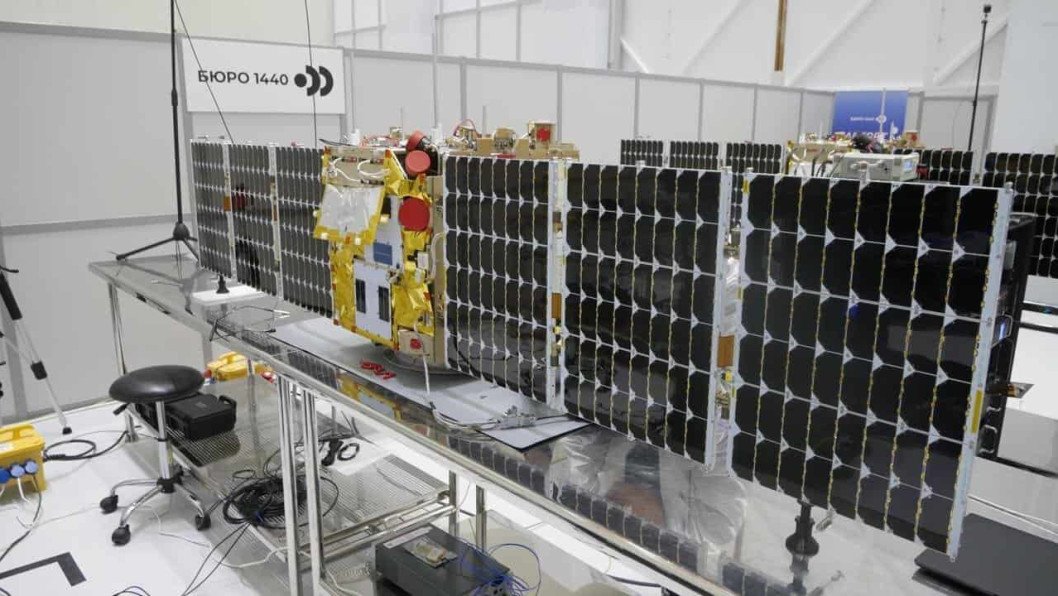
Each satellite weighs approximately 280 kilograms and measures 2.7 by 1.8 by 0.6 meters.

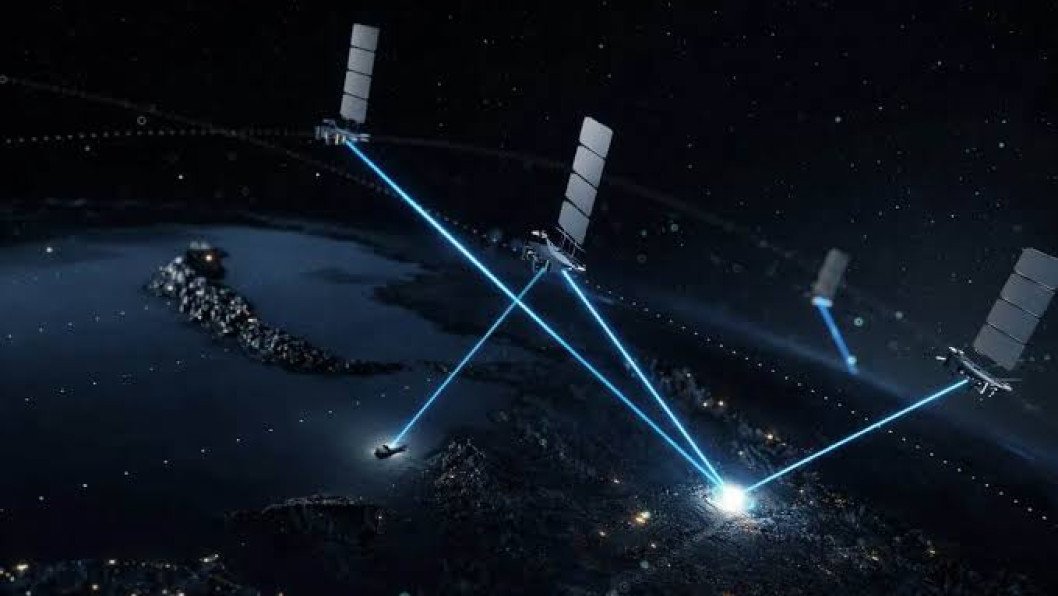
One of the system’s key technologies is inter-satellite laser communication, which allows spacecraft to transmit data directly between one another without continuously relying on ground-based infrastructure.
Despite the setbacks, Russia has outlined ambitious plans to expand the constellation.
According to HUR, by the end of 2026, Moscow had planned to increase the number of satellites to 47–48. In 2027, it aims to launch another 240 spacecraft, potentially providing coverage across 94% of Russian territory with data transmission speeds of up to 150 Mbps.
Longer-term plans envision expanding the constellation to 408 satellites by 2031 and 924 by 2035.
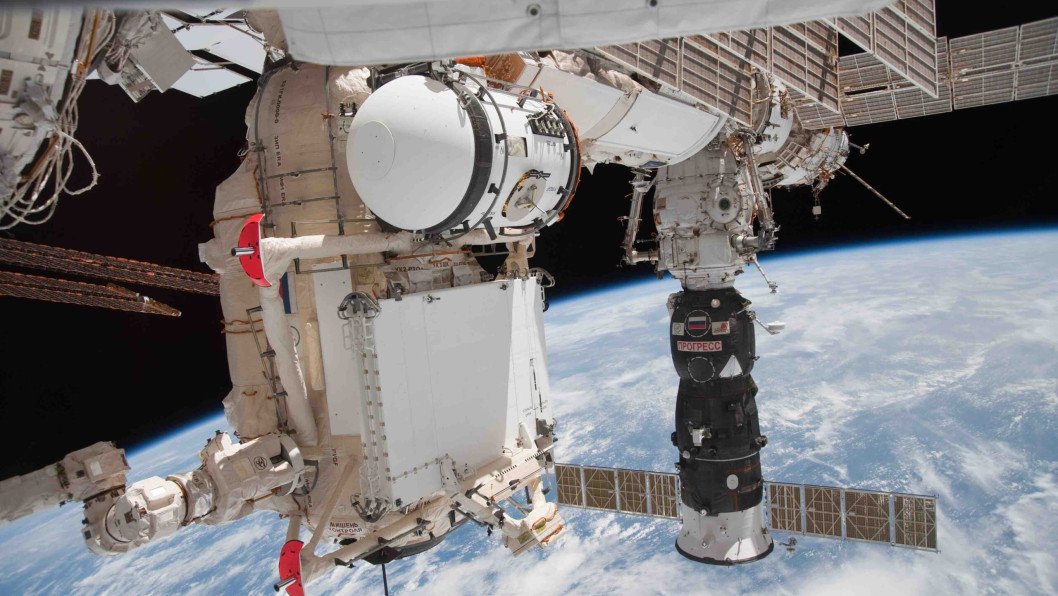
According to HUR, Russia uses Soyuz-2.1b launch vehicles operating from the Plesetsk Cosmodrome to deploy the satellites.
The system’s ground infrastructure is centered on a main control facility in Moscow, responsible for satellite operations, laser communication channels, and data traffic routing.
Additional ground stations are planned in Moscow, Murmansk, Anadyr, Rostov-on-Don, Norilsk, Zheleznogorsk, and Yuzhno-Sakhalinsk.
Alongside the satellite constellation, Russia is developing user terminals intended to provide access to the network.
In September 2026, Russian developers completed testing of the Ultra terminal, which reportedly supports download speeds of up to 650 Mbps and can operate on platforms traveling at speeds of up to 250 kilometers per hour.
According to HUR, Russia plans to deliver approximately 1,000 Ultra terminals to customers by the end of 2026.
Four additional terminal models—Zemlya, Mini, Prime, and Voda—are scheduled for development in 2027, followed by an aviation terminal called Vozdukh in 2028.
HUR identified Bureau 1440 LLC, part of Russia’s ICS Holding, as the project's main contractor.
The development of Rassvet comes as Russian forces have reportedly begun using the satellite network in military operations over Ukraine. The system could potentially allow Russian drones to adjust their flight paths in real time while making them more resistant to Ukrainian electronic warfare interference.
HUR representative Andrii Yusov confirmed on November 6 that Russian forces were already employing the network as an alternative to SpaceX’s Starlink system.
However, its operational capabilities remain limited by the relatively small number of satellites currently in orbit.
As a result, Rassvet cannot yet provide continuous communications coverage over Ukraine, with connectivity available only when satellites pass over particular areas.
Discuss this article: