- Category
- War in Ukraine
Ukraine Unmasks Who’s Behind Russia’s Starlink Rival Built for War
 Prefer U24 Media on Google
- Authors


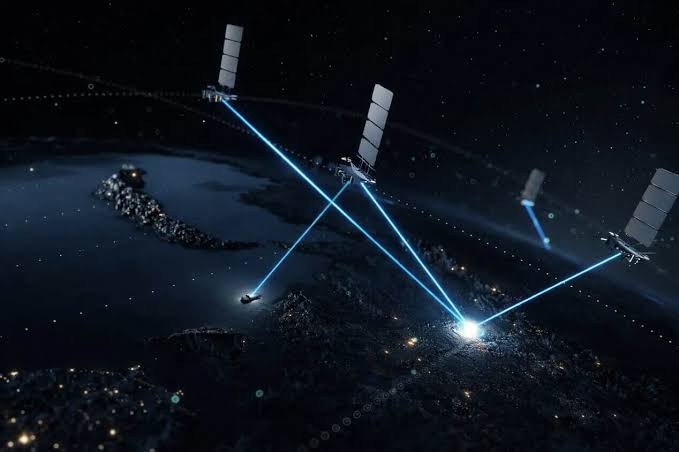
Ukraine’s Defense Intelligence Directorate (HUR) has identified 49 Russian and Belarusian companies involved in developing Rassvet, Moscow’s planned alternative to SpaceX’s Starlink satellite internet network, which Ukrainian intelligence says is being designed primarily for military operations.
We bring you stories from the ground. Your support keeps our team in the field.
According to HUR’s War&Sanctions portal, with the findings released on October 28, 23 of the 49 identified organizations, including Russia’s space agency Roscosmos, remain outside international sanctions.
The project brings together technology companies, microelectronics manufacturers, research institutions, aerospace enterprises, and organizations affiliated with Russia’s Defense Ministry.
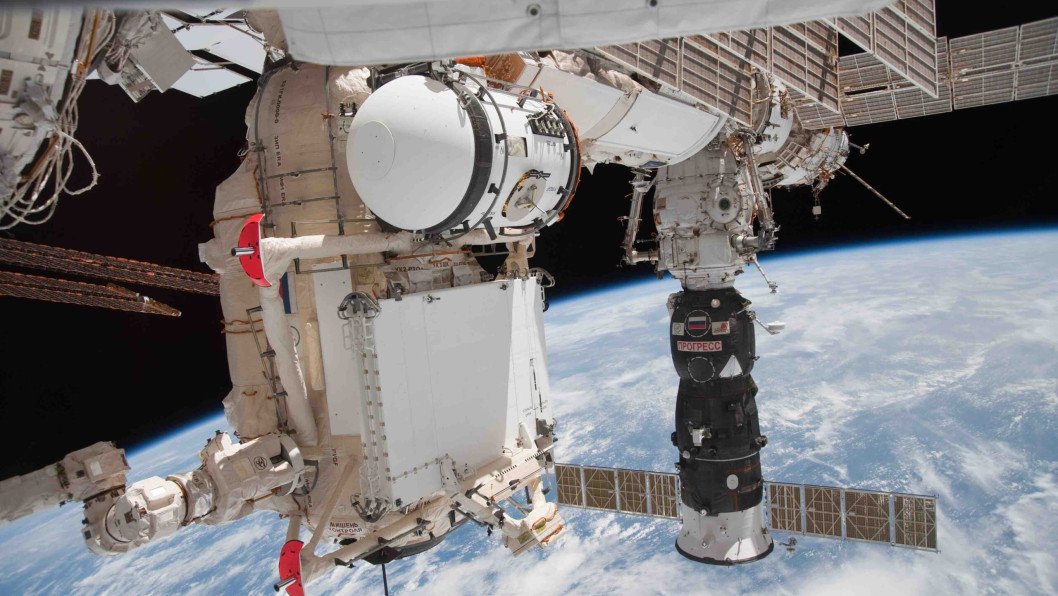
Its main developer is Bureau 1440, part of the Russian technology conglomerate ICS Holding. Companies within the group manufacture solar panels, satellite terminals, printed circuit boards, electronic modules, and other components required for the system.
Roscosmos and other aerospace enterprises are responsible for developing launch vehicles, propulsion systems, and satellite components, as well as deploying spacecraft into orbit.
Russia’s state-owned VTB Bank has also provided financial backing for the project, while Roscosmos chief Dmitry Bakanov oversees its implementation within the space agency.
According to Ukrainian intelligence, Rassvet is intended to provide strategic communications for Russian military units, command centers, strike platforms, and unmanned systems.

Russian plans also include integrating the constellation into space-based missile targeting infrastructure and installing satellite terminals on command vehicles associated with the Iskander-M operational-tactical missile system.
HUR reports that the system’s priority coverage area will include Ukraine and European Union countries. Once sufficient satellite coverage is established, Russia could also use the network to support hybrid operations against other states.
The project has also faced technical challenges. According to orbital tracking data reported on October 13, two Rassvet satellites launched in July were losing altitude and were projected to reenter Earth’s atmosphere by late October or early November. While most satellites from the same batch reached approximately 500 kilometers, the two remained near 250 kilometers.
Discuss this article: