- Category
- War in Ukraine
Meet Litavr: Ukraine’s Secret Interceptor Drone That Reaches 350 km/h and Hunts Targets Over 40 km Away
 Prefer U24 Media on Google
- Authors


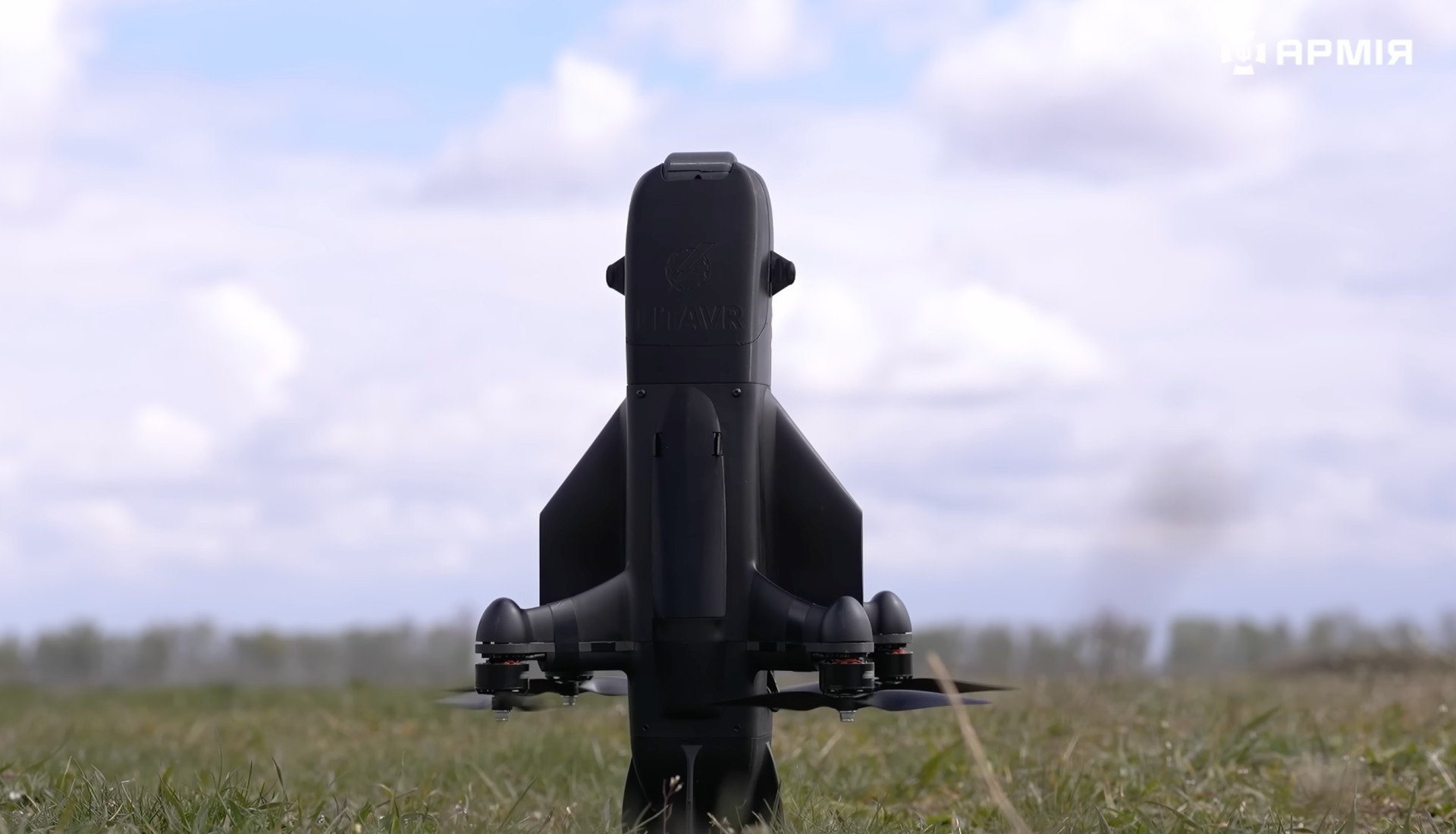
Ukraine has revealed new details about Litavr, a high-speed interceptor drone developed by F-DRONES and designed to hunt enemy UAVs at ranges exceeding 40 kilometers, according to a report by Army Media on May 21.
Until now, almost no public information was available about the drone, as its developers had kept the project largely under wraps. Through Ukraine’s BRAVE1 defense-tech cluster, however, F-DRONES shared new details about Litavr’s capabilities.
We bring you stories from the ground. Your support keeps our team in the field.
“Today, Litavr has a speed of 350 km/h. We claim an operational radius of 40 km,” said Stanislav, CEO of F-DRONES.
According to him, Ukrainian operators have already pushed the drone far beyond its stated range under favorable conditions.
“The peak distance reached just a few days ago by one of the Unmanned Systems Forces units was 84 kilometers from the takeoff point. That was with the wind, with all the nuances, but it reached the target,” he said.
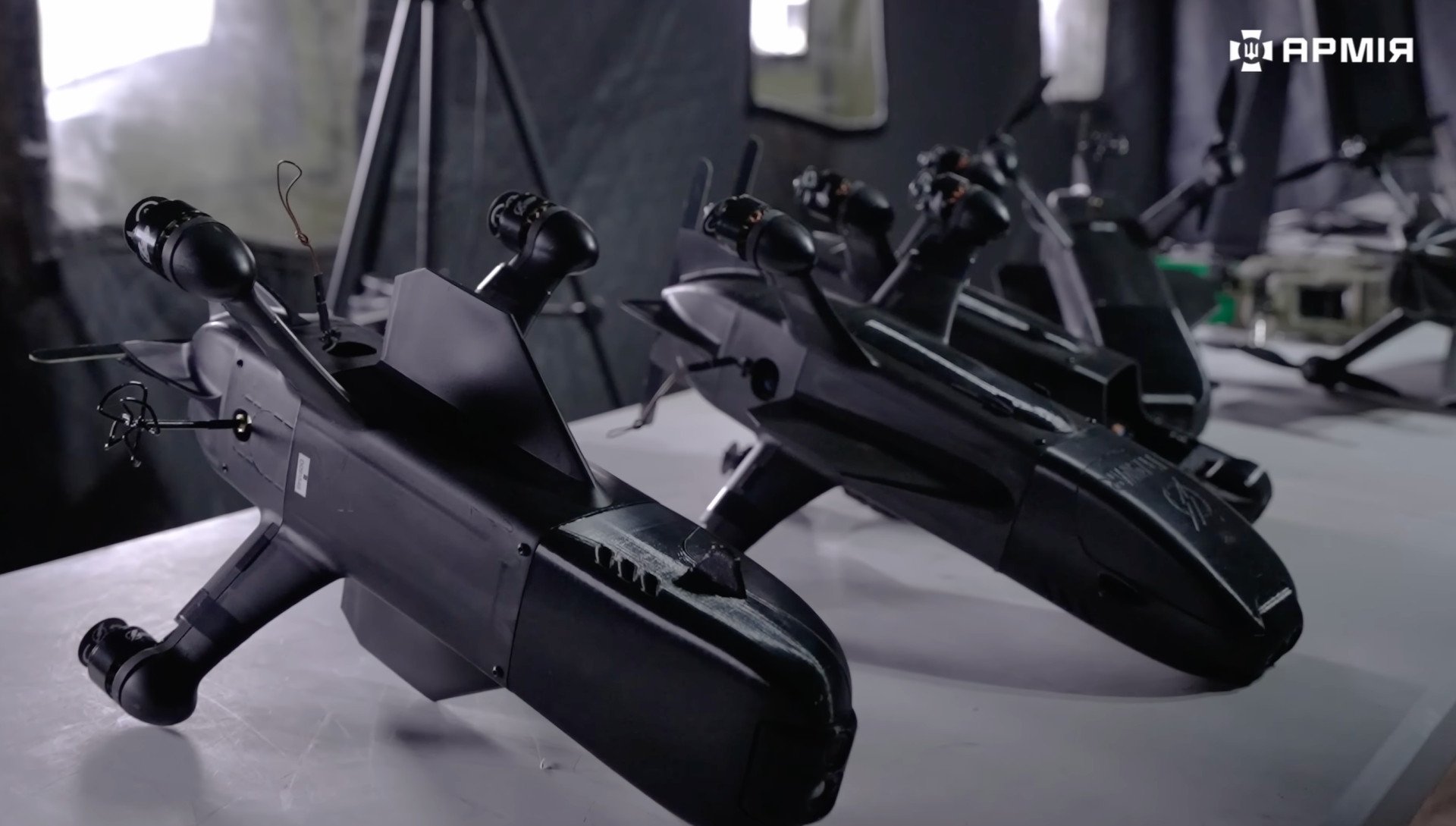
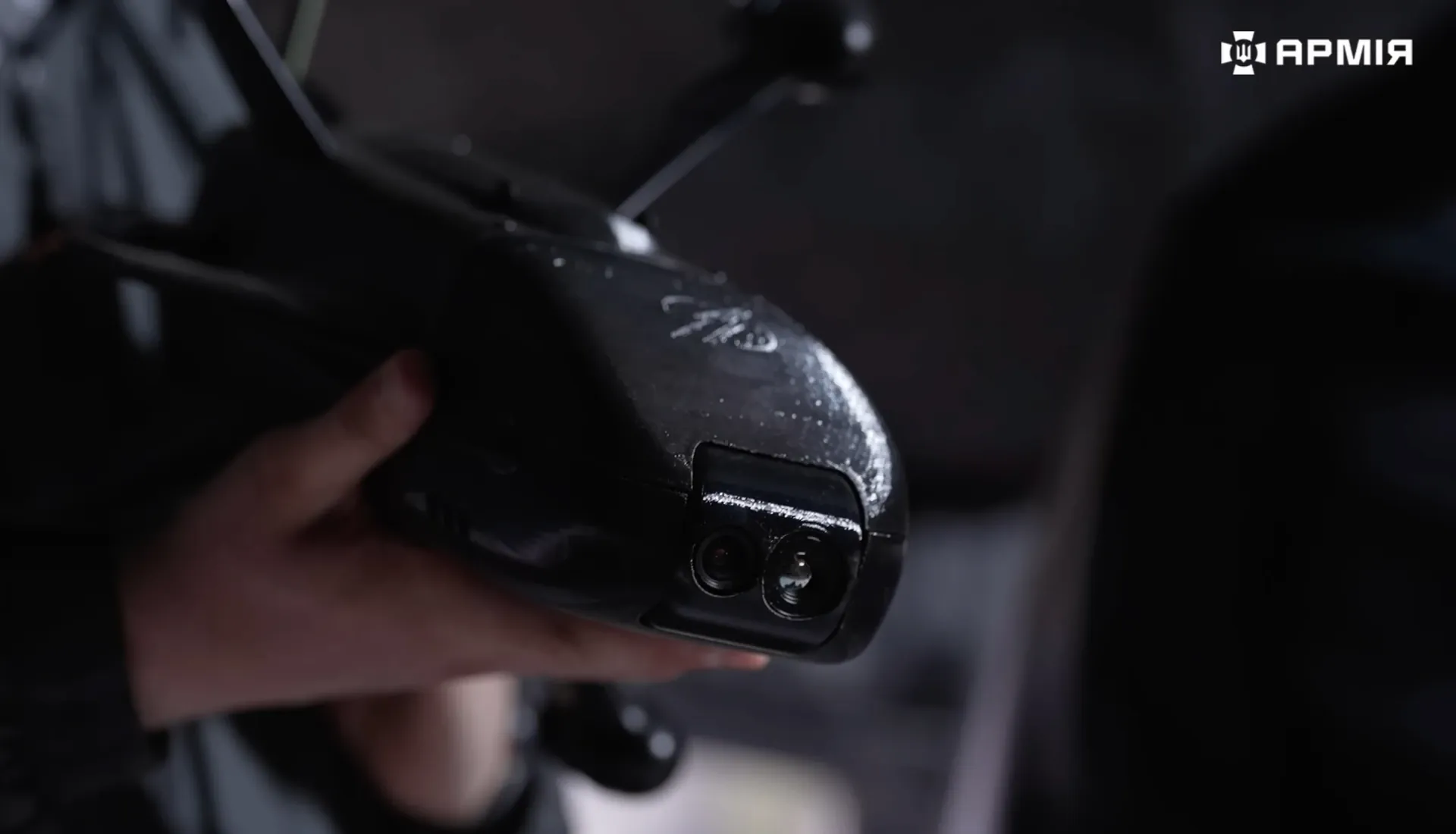
Litavr is also equipped with day and night cameras, automatic target acquisition, and terminal guidance, allowing it to lock onto and refine its approach toward a target during the final phase of flight.
The drone has gone through several stages of development, with the current version of Litavr equipped with an auxiliary target identification system, automatic target lock, and terminal guidance.
“All our current versions are supplied with both a daytime and thermal imaging camera because attacks are combined, and in practice, we do not know which one will be needed at which moment. There is an option to switch between the two during flight,” Stanislav explained.
An exclusive report by Army TV on the Ukrainian Litavr interceptor drone by F-DRONES, developed as a specialized UAV interceptor designed to counter Shahed-type kamikaze drones and other long-range unmanned systems.
— Yigal Levin (@YigalLevin) May 21, 2026
Notably, there had been very little information about the… pic.twitter.com/sJuNsCtb7N
The warhead is installed in the nose section of the interceptor. Military operators can either fill the warhead container with their own explosive material or order the drone with a codified version.
One service member who uses Litavr drones said the system also includes a safety option if the target is not found after launch.
“If the pilot has armed the aircraft and the target is not found, he switches the initiation board into safe mode and calmly returns the drone home,” the CEO said.
F-DRONES uses many components of its own production in the drone. The company manufactures its own motors and flight controllers and is trying to increase the share of Ukrainian-made parts. The interceptor’s body is molded, while some smaller elements are produced using 3D printing.
“We cast all the molds, and we already have this process established. We still print the ‘head’ a little because there are certain aspects involving small parts,” Stanislav said.
Earlier, Defense Minister Mykhailo Fedorov reported that Ukraine has developed low-cost interceptor missiles designed to shoot down Russian Shahed strike drones, with testing already underway as Kyiv prepares for a new wave of faster drone threats.
Discuss this article:
-9a7b3a98ed5c506e0b77a6663f5727c5.png)


-c439b7bd9030ecf9d5a4287dc361ba31.jpg "Photo of Katherina Popilnichenko")

-111f0e5095e02c02446ffed57bfb0ab1.jpeg "Photo of Roman Kohanets")