- Category
- War in Ukraine
Meet Russia’s New Filin Cruise Missile—1,200 Km of Range, 3D-Printed Parts and Chinese Guidance
 Prefer U24 Media on Google
- Authors


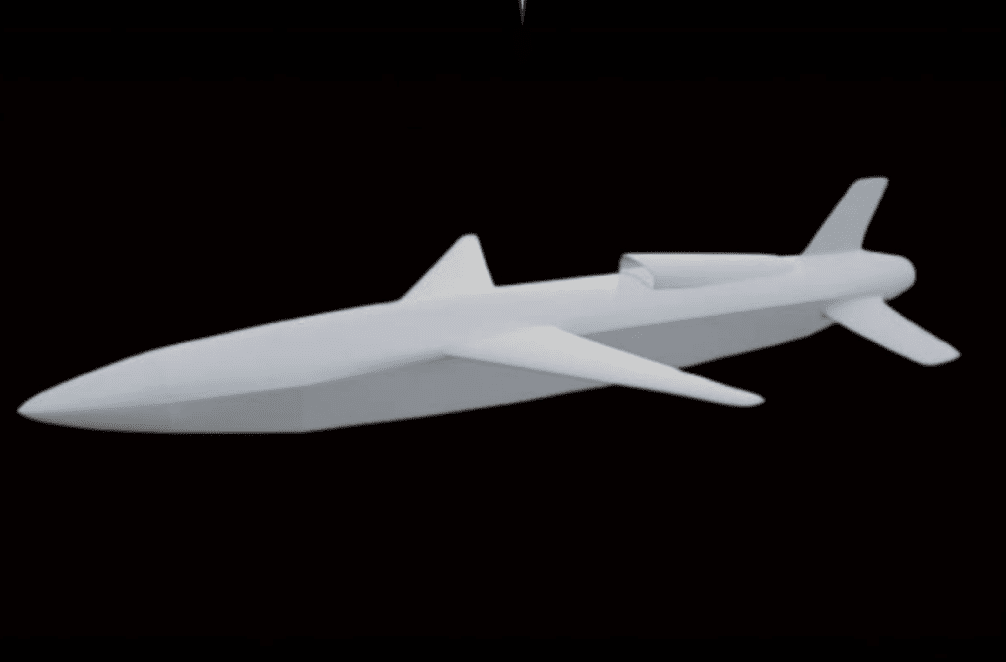
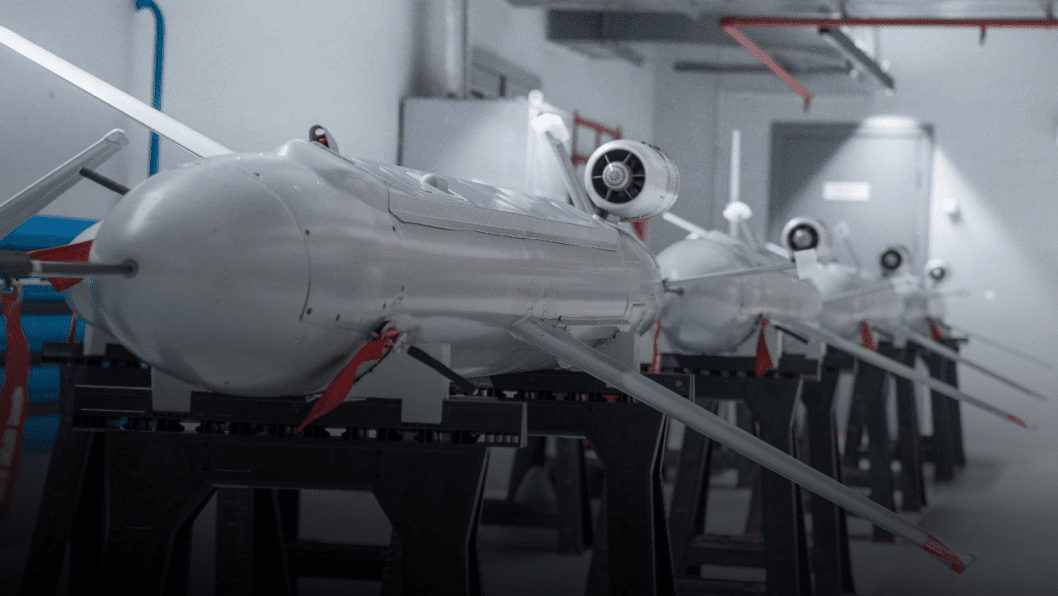
Ukraine’s Defense Intelligence (HUR) has published a detailed breakdown and interactive 3D model of Russia’s new Filin cruise missile, revealing a low-cost, ground-launched weapon with a claimed range of up to 1,200 kilometers and an increasingly Chinese-heavy electronics base.
Russia began using the Filin against Ukraine in late summer 2026, according to a HUR report on October 22.
We bring you stories from the ground. Your support keeps our team in the field.
The missile is produced by NPO Molniya, part of Russia’s Tactical Missiles Corporation, and appears to continue Moscow’s push toward cheaper jet-powered strike weapons that can be launched from the ground and manufactured in larger numbers.
According to Ukraine’s Defense Intelligence, the Filin has a composite fuselage made from carbon- and fiberglass-reinforced materials. The missile measures about 3.5 meters in length with a wingspan of roughly 3 meters, while some individual parts are produced using 3D-printing technology.
Russia claims the missile can reach speeds of up to 800 kilometers per hour, or about 500 mph, and strike targets as far as 1,200 kilometers away.
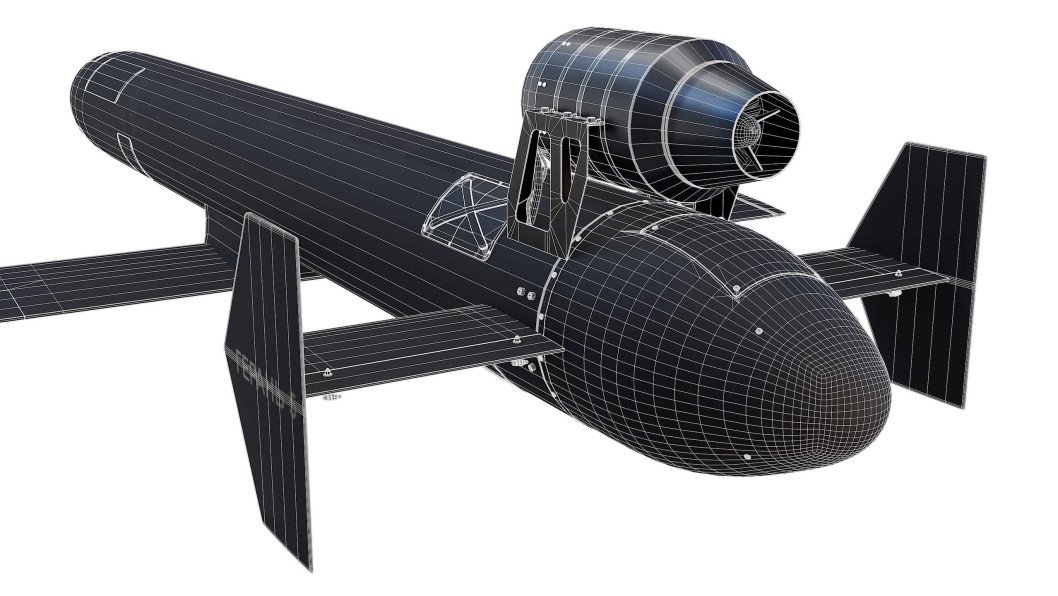
It is designed to fly at extremely low altitude but can also climb to approximately 6 kilometers. Versions carrying either 50-kilogram or 100-kilogram warheads have been identified.
The missile is launched from a ground-based launcher using a solid-propellant booster before its main engine takes over.
Ukraine’s intelligence service found that the Filin’s onboard electronics are manufactured by Russian company PLAZ, which is also involved in producing electronics for the Garpiya UAV—a Russian adaptation related to the Geran-2 family. Intelligence analysts noted that electronic modules found in the Filin and Garpiya use similar layouts and markings, suggesting Russia is increasingly standardizing components across different weapons.
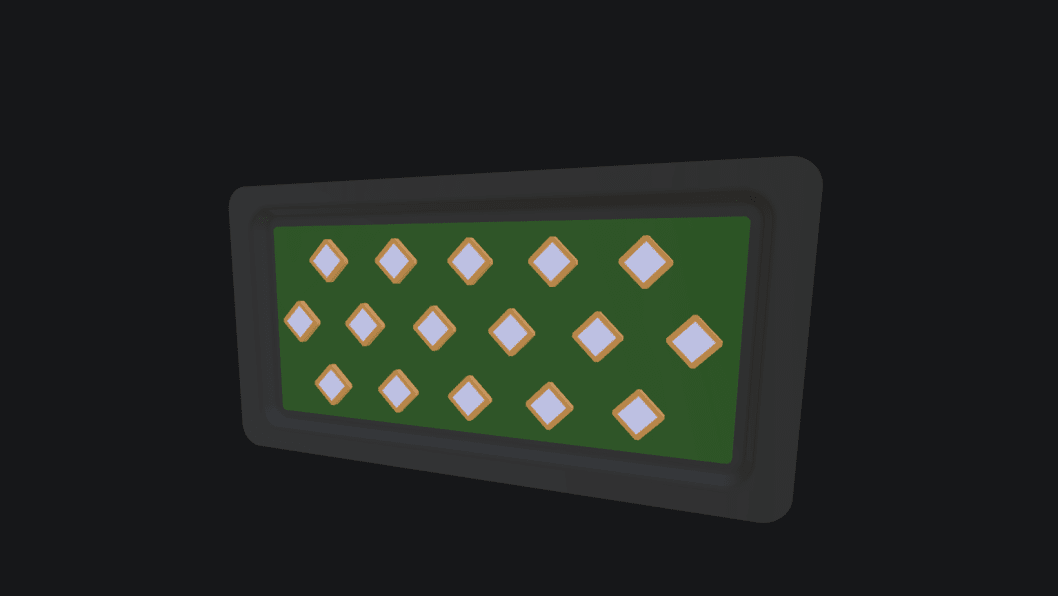
Navigation is provided by a Chinese-made inertial navigation system together with a 16-channel Kometa satellite-navigation module.
The missile’s electronic component base broadly resembles that found in other Russian missiles and UAVs, but Ukrainian intelligence highlighted the growing share of Chinese components. Investigators identified 35 US-made components and 22 Chinese-made components, alongside increased reuse of common solutions across multiple circuit boards and systems.
That trend suggests Russia is continuing to simplify supply chains and standardize electronics across different missile and drone programs while increasing its dependence on Chinese technology.
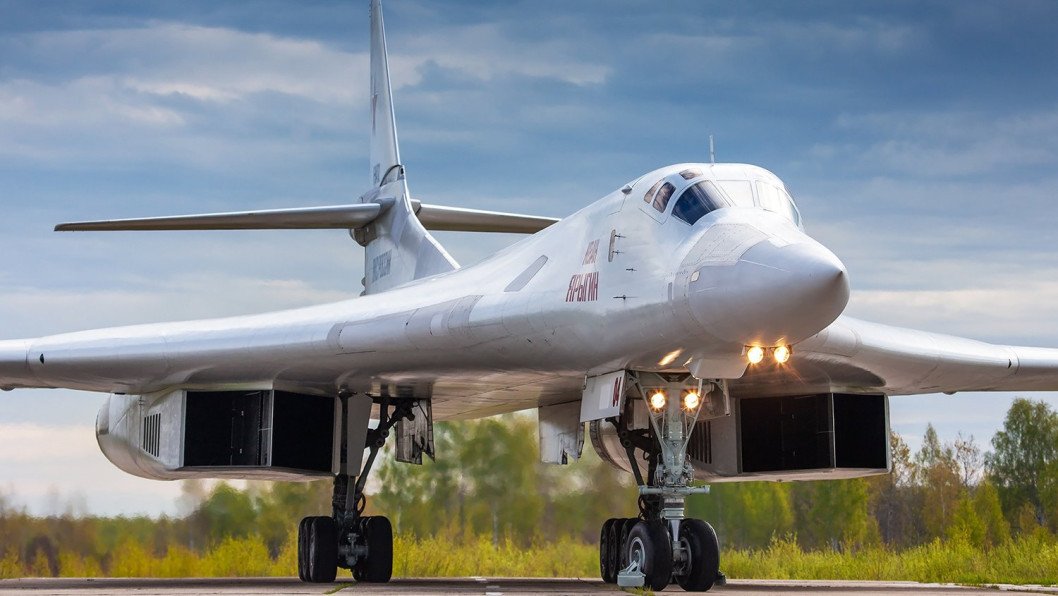
One major component remains Russian-made. The Filin uses an R500 jet engine manufactured by Reynolds LLC. The same engine has previously been identified in Russia’s S-71K Kover and S-71M Monokhrom air-launched cruise missiles.
Ukraine’s Defense Intelligence published the full component breakdown through its War&Sanctions portal, including an interactive 3D model designed to show how the missile is assembled and which foreign technologies continue to appear inside Russian weapons.
Earlier, HUR revealed new details about Russia’s Kh-47M2 Kinzhal aeroballistic missile, identifying 58 Russian companies involved in its production, 22 of which remain outside international sanctions.
Discuss this article: