- Category
- War in Ukraine
Russia’s New 6,500-Km Missiles Could Target NATO as Moscow Prepares 32 for Strategic Bombers
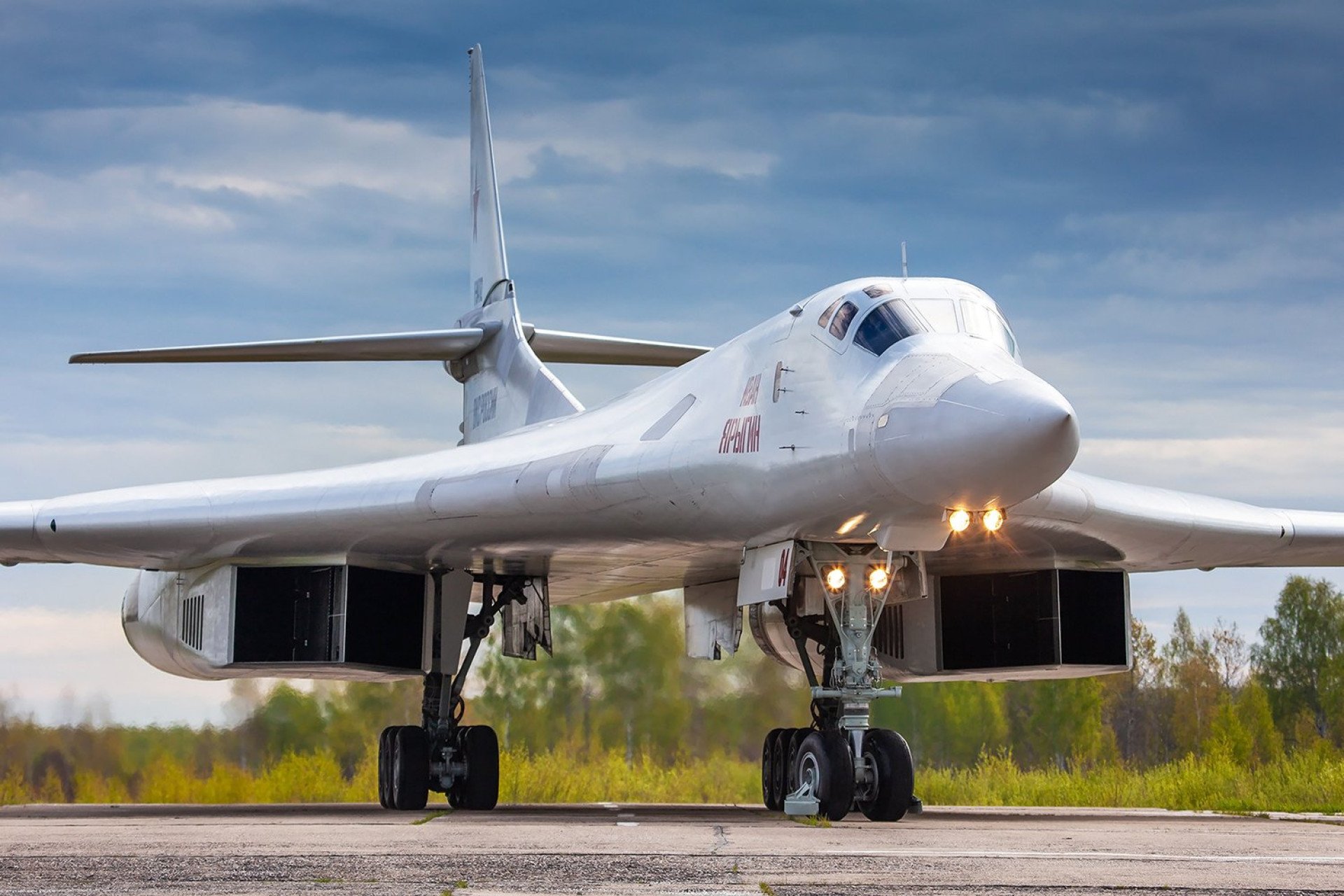
Russia is expanding its long-range strike capabilities with plans to acquire 32 Kh-BD cruise missiles, each capable of traveling up to 6,500 kilometers (4,039 miles).
 Prefer U24 Media on Google
- Authors


The weapons could allow Russian strategic bombers to target NATO countries from launch areas in the Arctic, potentially expanding Moscow’s long-range strike capabilities while raising questions about whether the missiles are intended for use against Ukraine or reserved for a possible confrontation with the Alliance.
We bring you stories from the ground. Your support keeps our team in the field.
According to Defense Express on October 11, citing a new report by the Royal United Services Institute (RUSI), the Kh-BD missiles are intended for Russia’s Tu-160M and Tu-95MS strategic bombers. The report, authored by defense researcher Sidharth Kaushal, examines Russia’s nuclear arsenal and its efforts to modernize strategic delivery systems.
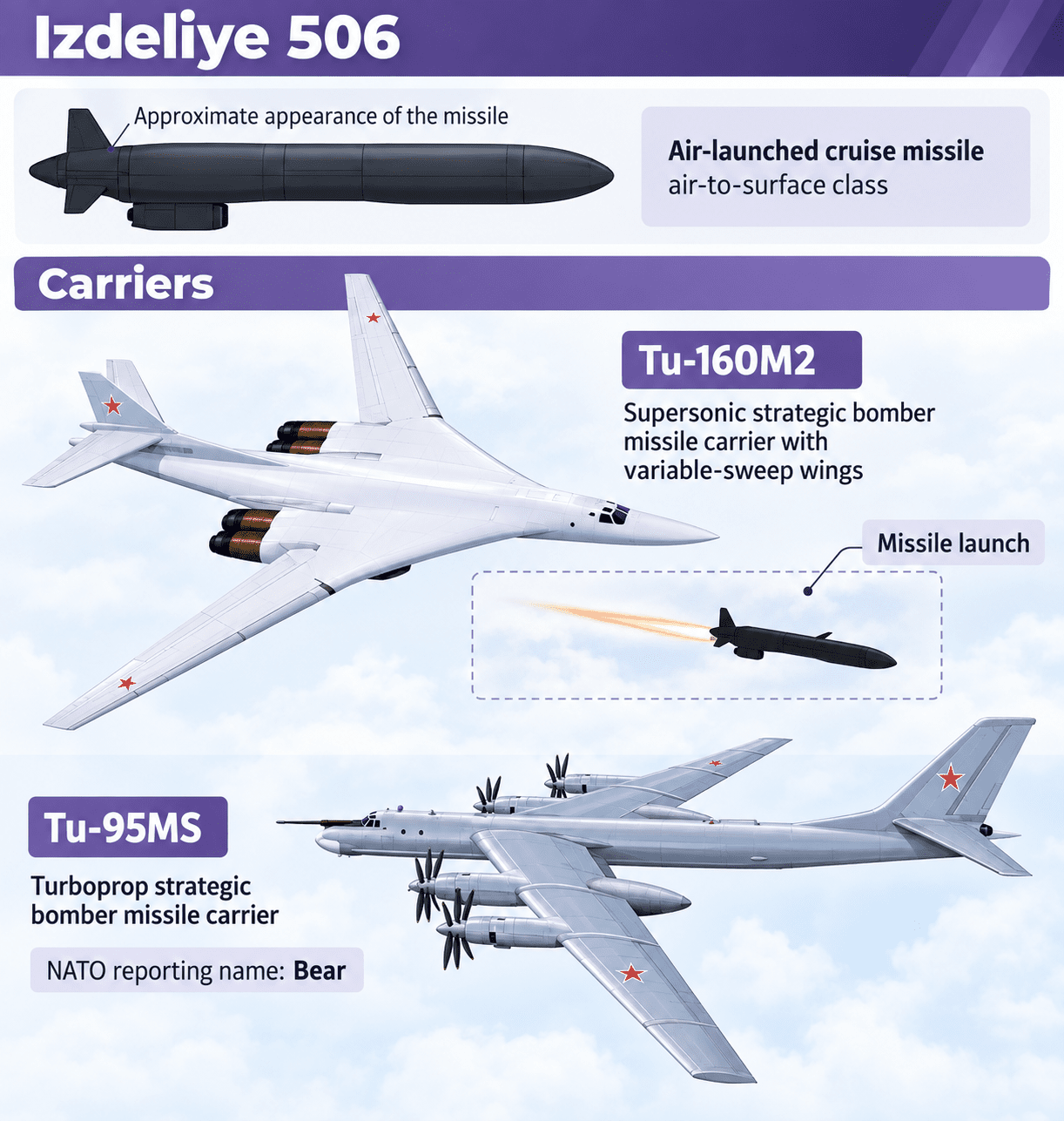
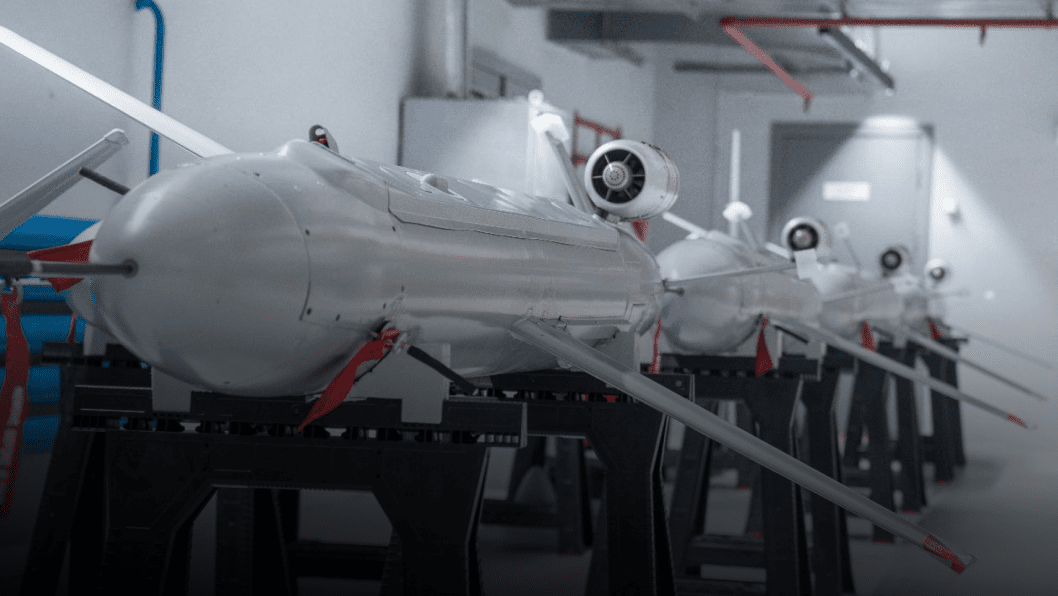
The Kh-BD, also known as Izdeliye 506, is designed to extend the strike range of Russia’s existing bomber fleet. Its development comes as Moscow continues to struggle with its next-generation PAK DA bomber program, originally intended to replace the aging Tu-95MS and Tu-160 aircraft.
Russia’s Kh-BD could strike US from the Arctic
According to Kaushal, the missile’s claimed 6,500-kilometer range could allow Russian bombers to launch attacks against US territory from the Arctic, potentially using Alexandra Land Island in Russia’s far north as a launch area.
Such a capability could expand Moscow’s strategic strike options and complicate American air defense planning. However, the Kh-BD’s actual performance and ability to penetrate US missile defenses have not been independently verified.
The RUSI report also highlights a significant vulnerability in Russia’s strategic aviation operations.
US intelligence capabilities reportedly allow Washington to detect preparations for missile strikes involving Russian Tu-95MS and Tu-160 bombers. In a scenario involving direct nuclear escalation, this could leave major Russian strategic aviation bases, including Engels and Olenya, vulnerable to potential preemptive NATO strikes.
Defense Express noted that Russia first publicly unveiled the Kh-BD in September 2023, when Russian officials disclosed its claimed range and identified the modernized Tu-160 as a potential launch platform.
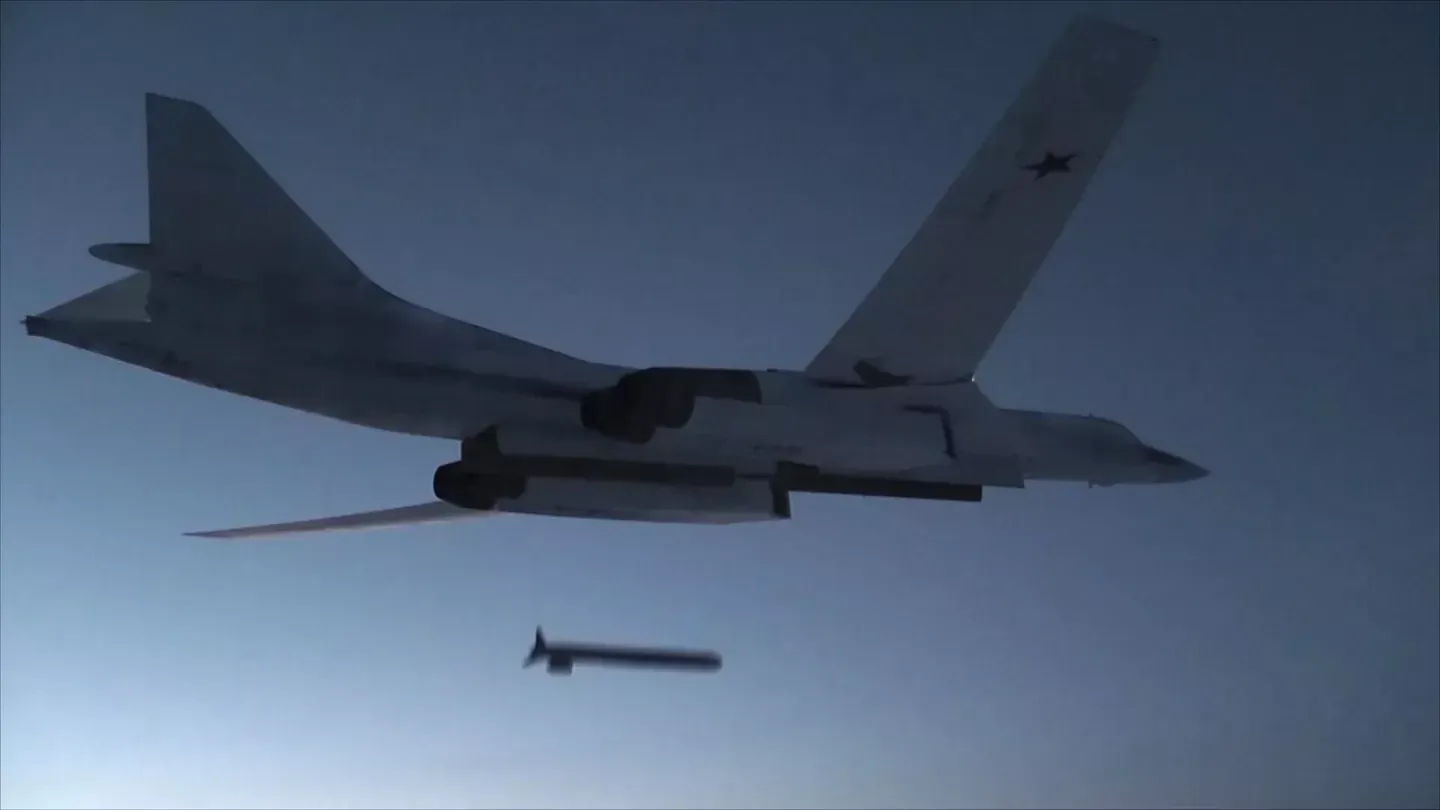
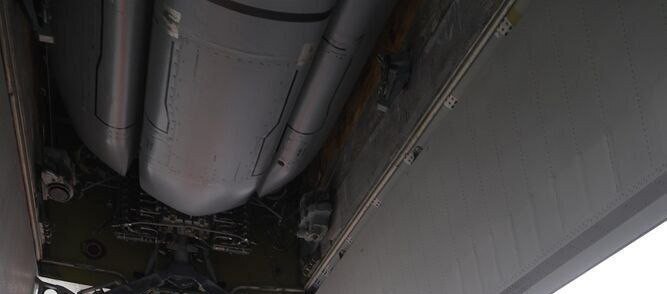
The missile is reportedly larger than Russia’s existing Kh-101 air-launched cruise missile, requiring additional modifications to the Tu-95MS and Tu-160 bombers before they can carry it.
32 Kh-BD missiles for Ukraine or NATO?
Details about Moscow’s procurement plans emerged in 2025, when Ukrainian defense outlet Militarnyi published leaked Russian documents indicating that the Russian military was scheduled to receive 16 Kh-BD missiles in 2024 and another 16 in 2026.
Each missile was reportedly valued at approximately $4.5 million, bringing the estimated cost of the planned 32-missile acquisition to $144 million.
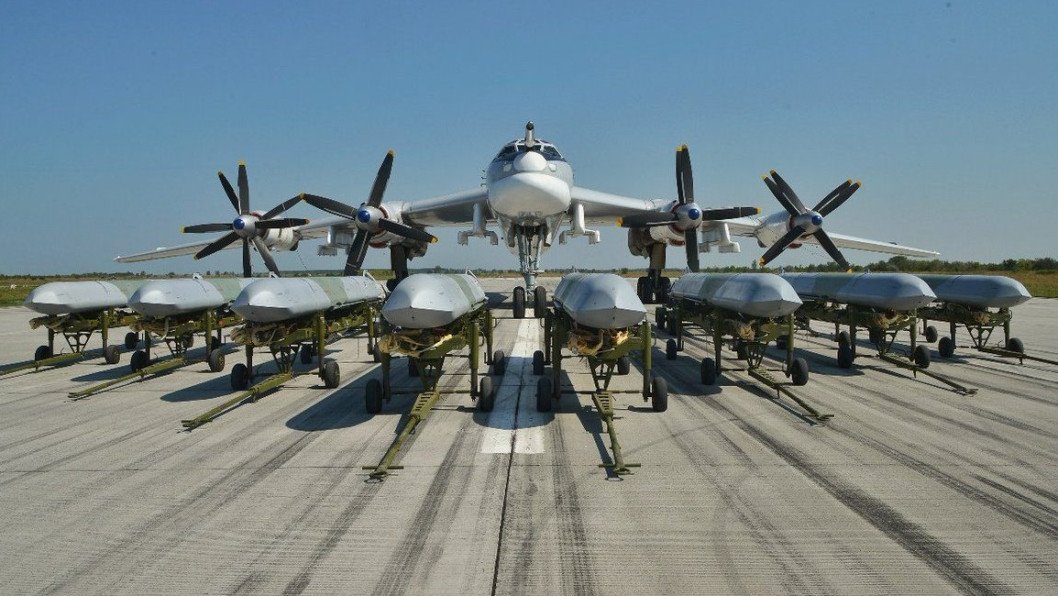
If Russia fulfilled the procurement schedule, its military could have received up to 32 Kh-BD missiles by 2026. However, there is no independent confirmation that all planned deliveries have been completed.
According to Defense Express, Moscow faces two potential options for deploying the new weapons.
One possibility is that Russia could use the Kh-BD in strikes against Ukraine, testing the missile under actual combat conditions. Alternatively, the Russian military could retain the limited stockpile as a strategic reserve for a possible direct confrontation with NATO.
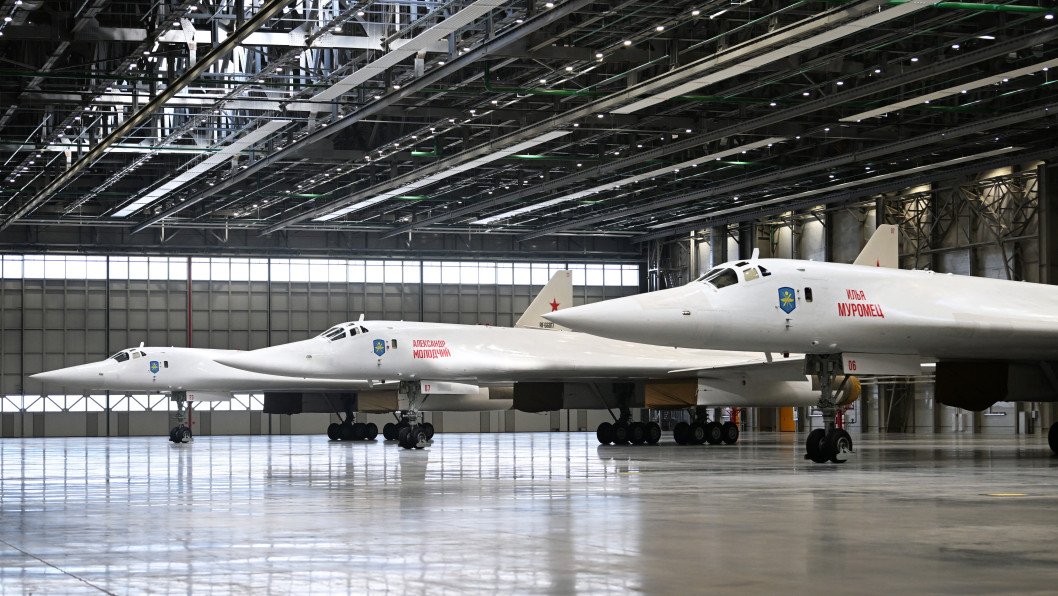
The development reflects Moscow’s broader effort to modernize its strategic aviation capabilities without introducing an entirely new bomber platform.
With the PAK DA program still unrealized, Russia remains dependent on upgraded versions of its existing long-range aircraft, making advanced cruise missiles such as the Kh-BD an important component of its future strike capabilities.
Earlier, Russian officials and state propagandists issued a series of threats against NATO countries, including Poland, Lithuania, Germany, and Norway. Russian state television host Vladimir Solovyov declared, “We don’t need their love. We need their fear,” while European officials warned that Moscow was attempting to intimidate NATO allies and weaken their support for Ukraine.
Discuss this article:



-639d0a97447a85a7c7fbc14489070252.png "Footage showing a Ukrainian FPV interceptor drone deploying a net to bring down a Russian Molniya-2 attack drone. (Source: Ptashka Drones)")