- Category
- War in Ukraine
Russia Could Stage False-Flag Attack on Its Territory to Justify Escalation, Poland Warns
 Prefer U24 Media on Google
- Authors


Polish Foreign Minister Radosław Sikorski said Russia may be preparing a “false-flag” operation on its own territory that could be used to justify further military escalation, following recent statements by Russian leader Vladimir Putin regarding drone attacks allegedly launched from European countries.
We bring you stories from the ground. Your support keeps our team in the field.
In a post on X on June 24, Sikorski suggested that recent Kremlin rhetoric could be laying the groundwork for a future provocation. His comments came after Putin warned that Russia could respond to attacks on its territory if drones were launched from European states.
“This sounds like an announcement of a provocation. I expect an attack on Russian territory under a false flag, to which Putin will ‘respond’,” Sikorski wrote. The Polish minister also drew a historical parallel to the Gleiwitz incident, a staged operation carried out by Nazi Germany shortly before the outbreak of World War II.
To brzmi jak zapowiedź prowokacji.
— Radosław Sikorski 🇵🇱🇪🇺 (@sikorskiradek) June 23, 2026
Spodziewam się ataku na terytorium Rosji pod fałszywą flagą, na który Putin ‚odpowie.’
Przypominam, że w sierpniu 1939 roku Abwehra zaaranżowała ‚polski’ atak na radiostację w Gliwicach aby dać sobie pretekst do wojny.https://t.co/HU0S7sWvRm
“I remind you that in August 1939, the Abwehr staged a ‘Polish’ attack on the radio station in Gleiwitz in order to give itself a pretext for war,” Sikorski added.
The remarks followed comments made by Putin during a meeting with graduates of Russian military academies. According to Russian state media, Putin said Moscow could strike European countries if attacks on Russian targets were launched from their territory.
He also accused European governments of attempting to distance themselves from such incidents by attributing them to technical failures or the effects of Ukrainian electronic warfare.
Sikorski’s warning echoes longstanding debates over alleged Russian false-flag operations. One of the most controversial examples remains the 1999 apartment bombings in Russia, which killed more than 300 people and helped pave the way for the Second Chechen War.
While Russian authorities blamed Chechen militants, the official account has been disputed for decades by independent investigators, journalists, former security officials, and Kremlin critics, some of whom have alleged that Russian security services were involved in the bombings.
-051a89e5a5304a3f0a58cfb1746eda24.png)
Much of that debate centers on the Ryazan incident. Days after the bombings, residents of an apartment building reported suspicious sacks and a detonator in their basement. Local police evacuated the building and detained individuals later identified as FSB officers. Russian authorities subsequently described the incident as a “training exercise.”
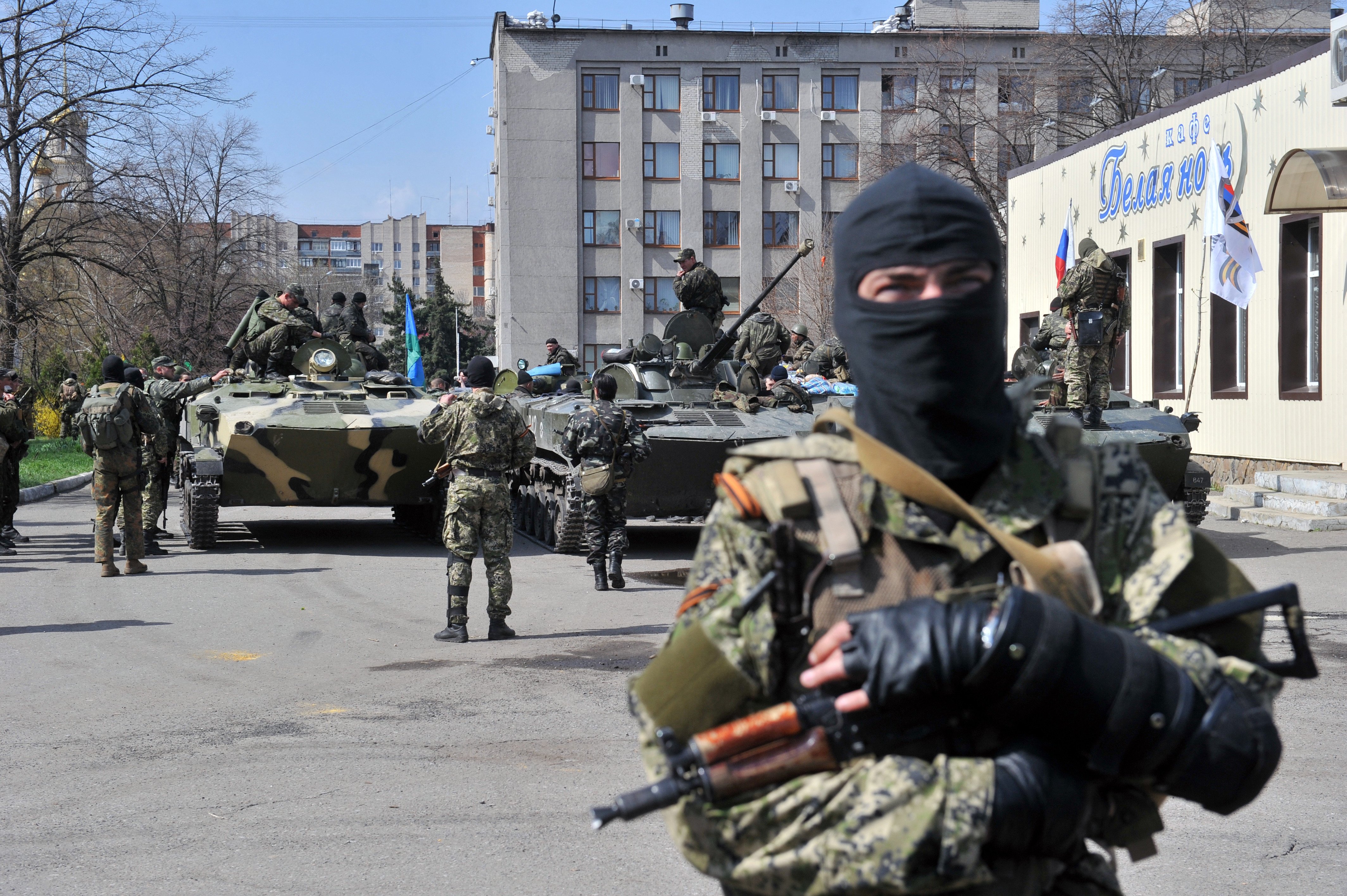
Similar questions were raised during Russia’s seizure of Crimea in 2014, when Moscow denied that troops without insignia were Russian soldiers, despite Putin later acknowledging their role. Russia also denied direct involvement in the fighting in eastern Ukraine while backing armed groups in Donbas.
Ahead of its full-scale invasion in 2022, Moscow accused Ukraine of preparing attacks and sabotage operations in occupied territories. Western intelligence agencies warned that such claims could be used as a pretext for military action. Russia launched its invasion on February 24, 2022.
Discuss this article:
-9a7b3a98ed5c506e0b77a6663f5727c5.png)


-efa69d4733b5af9f7cd0a642f85424a6.jpeg "Thick black smoke rises from the heavily damaged Proton-Electrotex plant in Orel, Russia, following a reported strike. (Source: Exilenova+)")