- Category
- World
Russia’s Latest Hybrid Warfare Strategy Against the West—Weaponizing the Rule of Law
 Prefer U24 Media on Google
- Authors

-111f0e5095e02c02446ffed57bfb0ab1.jpeg "Photo of Roman Kohanets")
Russia is preparing a new front in its hybrid war against the West—a large-scale campaign of "legal warfare" that weaponizes international and domestic law to weaken democracies rather than to pursue justice, according to a public report from Latvia's Constitution Protection Bureau released in June 2026.
Ukraine's Center for Countering Disinformation amplified the warning on June 4.
We bring you stories from the ground. Your support keeps our team in the field.
"The legal system of the democratic world is a target of the Kremlin," the center stated, adding that Moscow seeks to paralyze Western decision-making, drain government resources on litigation, and erode confidence in international institutions.
The agency reported that Moscow's plans center on direct legal pressure against Western leaders and officials to deter policies it considers hostile, as well as lawsuits against Western governments in international courts. Until now, such tactics had been aimed mainly at Ukraine.
The principal lines of effort include challenging sanctions, placing Western officials and public figures on international wanted lists, accusing states of persecuting Russian speakers, and fabricating claims of mass human-rights abuses, the report indicated.
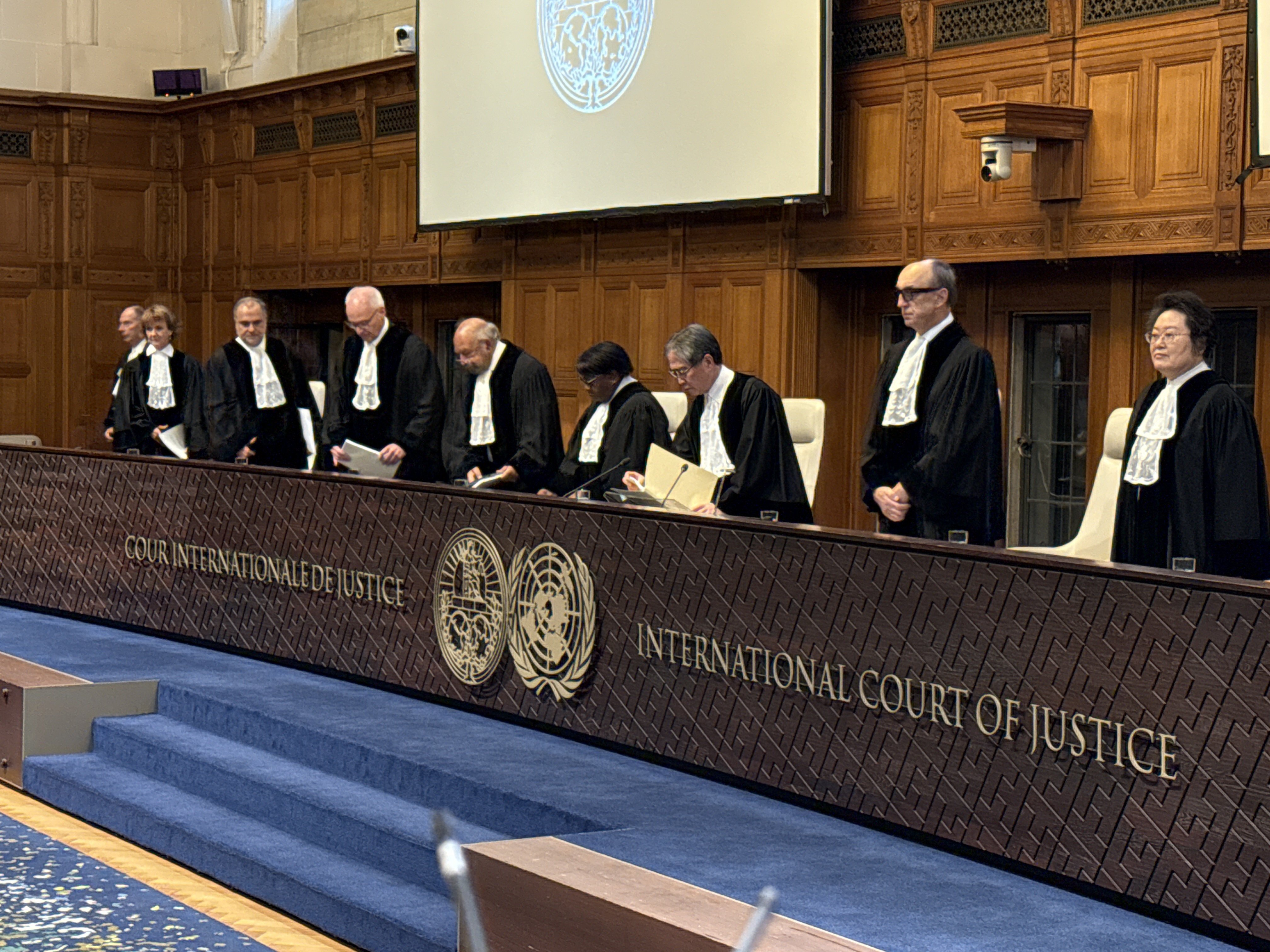
Russian experts have studied Iran's 2016 case against the US at the UN's International Court of Justice (ICC), which concerned American sanctions and frozen Iranian assets. They view it as a precedent for arguing that restrictions imposed despite bilateral treaties can be deemed unlawful, and have urged other sanctioned states to coordinate joint countermeasures.
To build numerical backing, Moscow is courting friendly and neutral states through BRICS, the Shanghai Cooperation Organization, and the Commonwealth of Independent States, while coordinating directly with its ally Belarus. The bureau also described efforts to train new arbitrators, promote Russian judges to international courts, and discredit the International Criminal Court.
The Baltic states are a central target. Russia has prepared a complaint to sue them at the International Court of Justice, formally citing alleged discrimination against Russian speakers under the International Convention against Racial Discrimination.
![A large banner is displayed on top of a building reading ''[Vladimir] Putin, [the International Court of Justice of] The Hague is waiting for you'' alongside the Lithuanian, Ukrainian, and Vilnius flags in Vilnius, Lithuania, on April 22, 2026.](https://storage.united24media.com/thumbs/x/4/4d/3c9e37748a9e3db402e6ccf3813064d4.jpg "A large banner is displayed on top of a building reading ''Putin, [the International Court of Justice of] The Hague is waiting for you'' alongside the Lithuanian, Ukrainian, and Vilnius flags in Vilnius, Lithuania, on April 22, 2026. (Source: Getty Images)")
In the bureau's assessment, merely filing the case would count as a success, broadcasting propaganda about the Baltics and lending it the weight of an international court's agenda.
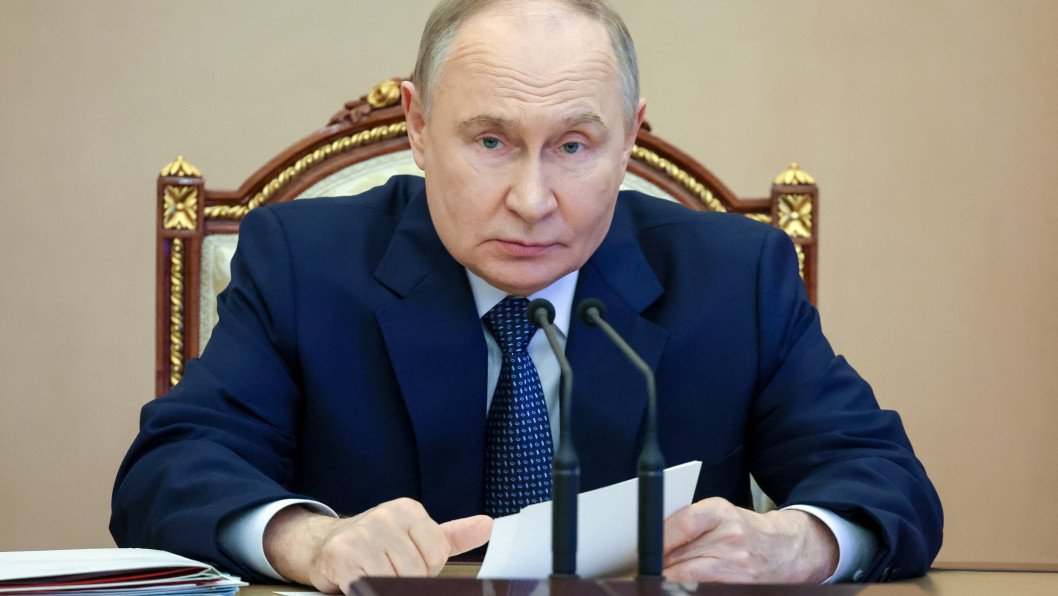
Such legal arguments could also serve as a pretext for escalation, the report warned. In late May 2026, Russian leader Vladimir Putin signed a law granting himself the authority to deploy the military abroad to defend Russian citizens facing foreign legal proceedings.
The bureau assessed that the measure is designed primarily to intimidate Western governments, with Moscow especially anxious about ICC arrest warrants and the special tribunal investigating its aggression against Ukraine.
-468b36f05e43502a035bc3f202b7d61a.png)
The move against the Baltic states has already surfaced publicly. In late May, Moscow announced it would bring the dispute over the alleged mistreatment of Russian speakers before the International Court of Justice—accusations that Estonia, Latvia, and Lithuania rejected as fabricated and as part of a coordinated disinformation effort meant to weaken support for Ukraine.
That anxiety is well-founded. The ICC's outstanding arrest warrant for Putin, issued over the unlawful deportation of Ukrainian children, already constrains his movements, forcing him to address last year's BRICS summit only by video link after the host country, an ICC signatory, would otherwise have been obliged to detain him.
Discuss this article:




-c439b7bd9030ecf9d5a4287dc361ba31.jpg "Photo of Katherina Popilnichenko")