- Category
- War in Ukraine
Russian Foreign Minister Sergey Lavrov Rejects Western Demands for Peace Plan
 Prefer U24 Media on Google
- Authors

-72b63a4e0c8c475ad81fe3eed3f63729.jpeg "Photo of Cyril Barabaltchouk")
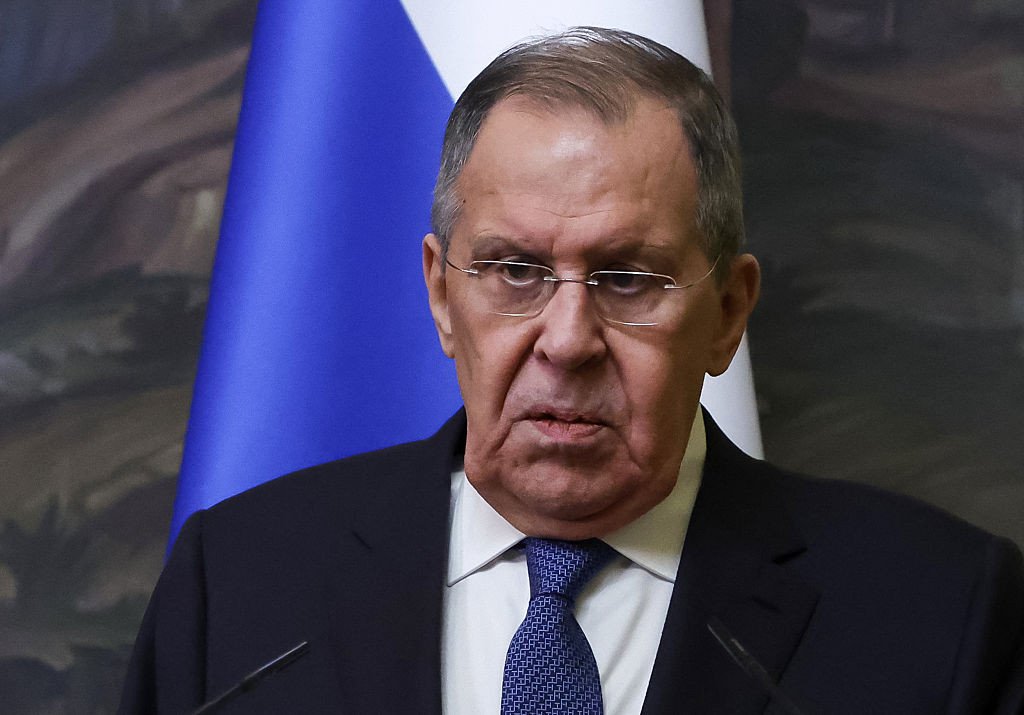
Russian Foreign Minister Sergey Lavrov formally rejected a comprehensive European peace proposal regarding the war in Ukraine, The Moscow Times reported on June 19, citing Russian state media.
He characterized the Western demands for an immediate ceasefire and financial reparations as an unacceptable ultimatum.
We bring you stories from the ground. Your support keeps our team in the field.
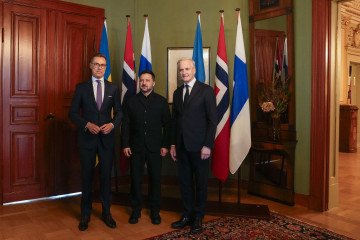
Lavrov’s statement centers on a framework established during a June 7 summit in London, where the leaders of the United Kingdom, France, Germany, and Ukraine outlined conditions necessary for a lasting peace agreement. The Western coalition called on Russian leader Vladimir Putin to implement an immediate, verifiable ceasefire to facilitate the launch of formal negotiations.
Furthermore, the European leaders asserted that any subsequent truce must be backed by robust security guarantees for Kyiv—including the potential deployment of multinational forces within Ukraine—while maintaining that frozen Russian state assets will not be released until Moscow compensates Ukraine for war damages, The Moscow Times wrote.
Moscow has dismissed these parameters, asserting that the Western calls for diplomacy are an attempt to alter the battlefield trajectory.
-52c09ecf0131d9ca49088e89ea3ba27b.jpg)
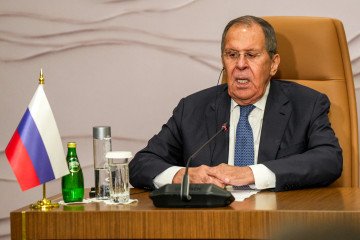
The Russian Foreign Minister stated that the proposal aims to temporarily freeze the war without addressing its foundational geopolitical causes, while simultaneously allowing European military contingents to establish a physical foothold on Ukrainian territory.
He cautioned that treating Ukraine as the core strike force of a future European military apparatus creates severe risks, claiming that a direct conventional confrontation between NATO and Russia could escalate into a catastrophic exchange of nuclear strikes, according to The Moscow Times.
-689076dcf5f357589547d1dbf6facd41.png)
Lavrov concluded that Moscow’s current focus has shifted away from traditional European frameworks toward building a new, pan-continental security architecture open to all Eurasian nations to reflect modern multipolar realities.
However, these statements are reminiscent of Moscow’s own documented history of violating international treaties and utilizing negotiations to mask military escalation. From the 1994 Budapest Memorandum to the 2014 Minsk Agreements, Russia has systematically broken nearly every security and ceasefire agreement it has signed, demonstrating a documented pattern of deception that highlights why the Kremlin cannot be trusted as a reliable diplomatic partner.
This diplomatic rejection follows a prior Ukrainian initiative to hold direct, face-to-face peace negotiations between Ukrainian President Volodymyr Zelenskyy and Vladimir Putin on the sidelines of the G7 summit in France.
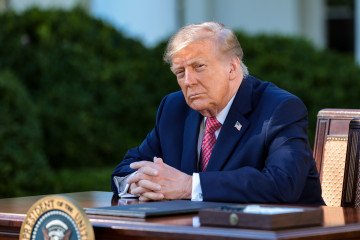
The proposal, which envisioned talks mediated by G7 leaders including US President Donald Trump, received no formal diplomatic response from the Kremlin; instead, Russian forces launched a coordinated shelling attack across Ukraine, an escalation that Kyiv officials characterized as Moscow’s true response to the peace initiative.
Discuss this article:

-c439b7bd9030ecf9d5a4287dc361ba31.jpg "Photo of Katherina Popilnichenko")

-29a1a43aba23f9bb779a1ac8b98d2121.jpeg "Photo of Illia Kabachynskyi")