- Category
- War in Ukraine
Russia Lays Groundwork for Mobilization as Contract Recruitment Slows, Intelligence Reports
 Prefer U24 Media on Google
- Authors

-72b63a4e0c8c475ad81fe3eed3f63729.jpeg "Photo of Cyril Barabaltchouk")
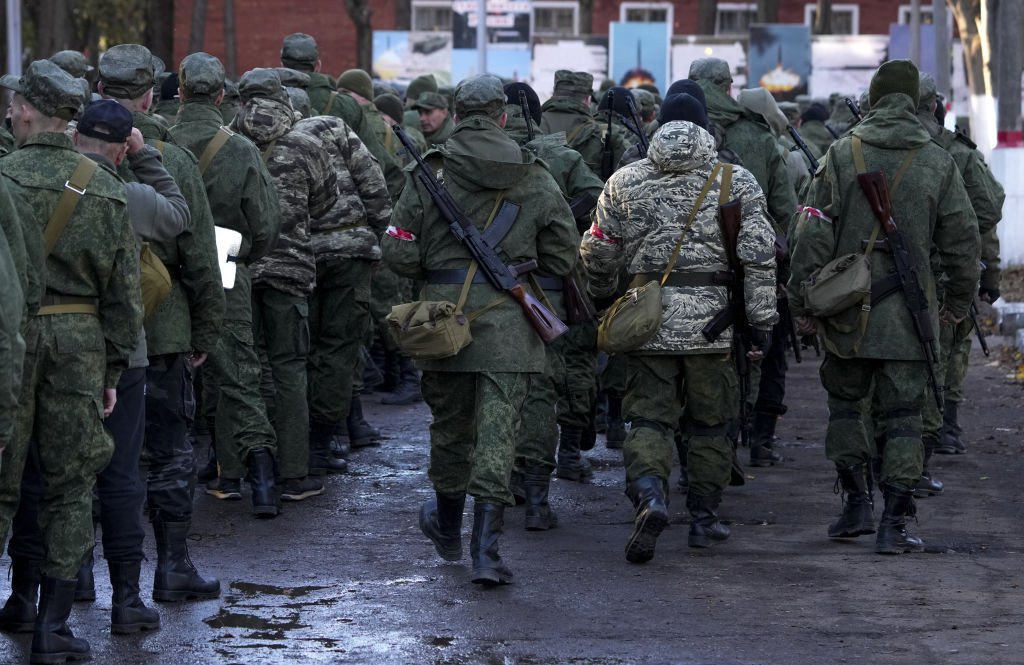
Russia is laying the technical and administrative groundwork to bolster its mobilization readiness following a significant slowdown in voluntary military contract recruitment during the first half of 2026, the Foreign Intelligence Service of Ukraine reported on August 4.
Data released by Russian officials reflects a diminishing pool of voluntary recruits despite substantial financial incentives.
We bring you stories from the ground. Your support keeps our team in the field.
Citing statements from Russian Security Council Deputy Chairman Dmitry Medvedev, the intelligence agency noted that approximately 200,000 individuals signed contracts with the Russian Ministry of Defence between January and June 2026, alongside 16,000 joining volunteer units. These figures mark an official decline of 5% to 11% compared to the same period in 2025, when enrollments exceeded 210,000 contract soldiers and 18,000 volunteers, while independent estimates from German researcher Janis Kluge indicate real enlistment rates dropped by up to 20% during the spring.
To prepare for potential manpower deficits, Russian authorities have expanded administrative infrastructure linked to military conscription, according to the report. Listings on the Russian recruitment platform HeadHunter for military registration specialists exceeded 2,500 by late July, with nearly a third published within a single week across major metropolitan hubs, including Moscow, Saint Petersburg, Samara, and Rostov-on-Don.
-d62a94f8a4f6bf6854753cdee5a9431f.jpg)
State-controlled enterprises such as Roscosmos, Pochta Rossii, and Rostelecom are actively hiring for these roles, while regional leadership, including Moscow Oblast Governor Andrey Vorobyov, has expanded the operational authority of local headquarters in anticipation of mobilization or martial law, according to the Foreign Intelligence Service of Ukraine.
The administrative preparations coincide with measurable spikes in public apprehension and signs of domestic flight, the Foreign Intelligence Service reported. Online search queries regarding mobilization on Russia’s Yandex search platform reached 1.2 million in July, while internal polling indicates that the proportion of Russians characterizing the social atmosphere as anxious rose from 53% to 57% within a single week.
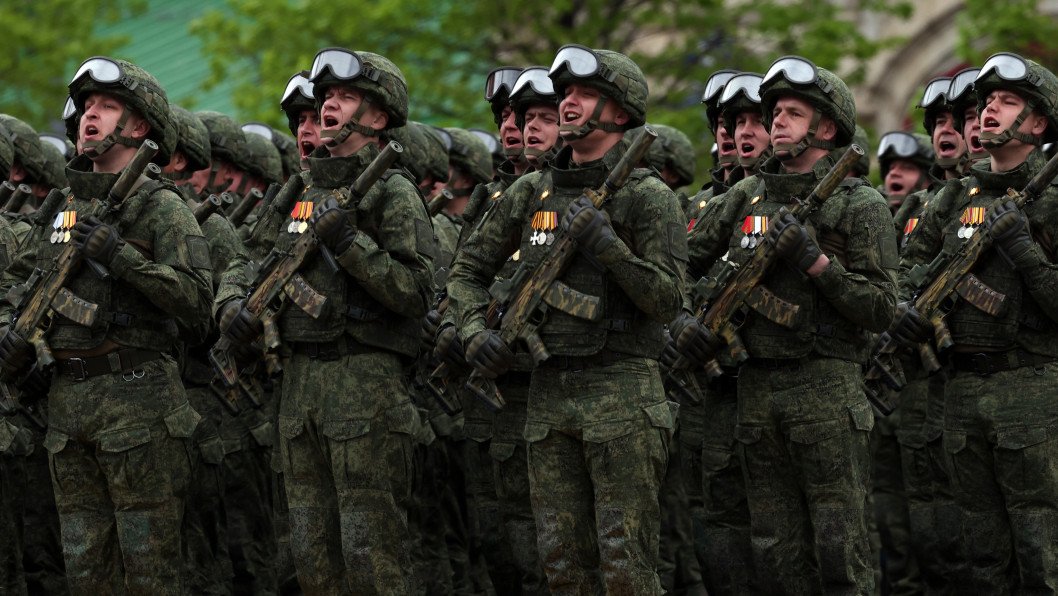
Concurrently, demand for long-term apartment rentals in Armenia surged past levels recorded during the initial wave of the full-scale invasion in February 2022.
Despite the heightened administrative activity, intelligence analysts assess that the Kremlin is unlikely to declare a full-scale mobilization wave prior to upcoming parliamentary elections.
Procurement of military gear and medical supplies remains consistent with 2025 levels, indicating that Russian authorities will initially attempt to offset troop shortages through increased monetary bonuses, corporate pressure on employers, and the internal redistribution of existing military personnel across active fronts, the Foreign Intelligence Service concluded.
Russian authorities have resorted to increasingly aggressive coercive measures, including police raids, physical beatings, and threats of fabricated charges to compel recruits into signing military contracts.
Discuss this article:


-80134f2dc17b4a887d01513a1c7bc929.png "Illustration of Russian military infrastructure targeted by Ukrainian strikes in temporarily occupied eastern Ukraine. (Source: General Staff of the Armed Forces of Ukraine)")