- Category
- War in Ukraine
Russia Leaves Its Only Nuclear Submarine Shipyard Without S-300 and S-400 Protection
 Prefer U24 Media on Google
- Authors


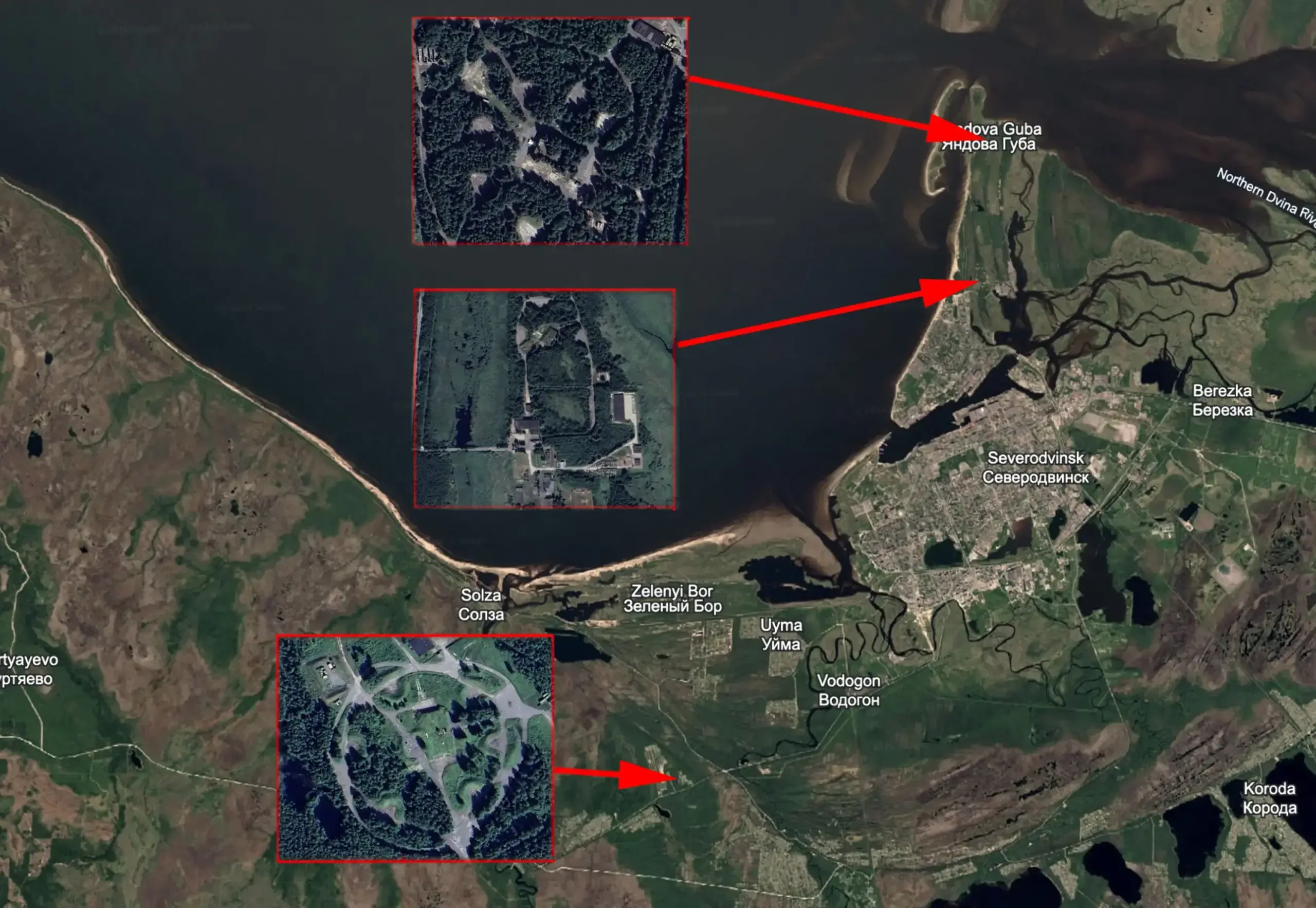
Russia has removed most of the S-300 and S-400 air defense systems that previously protected its strategic submarine shipbuilding hub in Severodvinsk, according to an analysis of satellite imagery published by Barents Observer on July 14.
We bring you stories from the ground. Your support keeps our team in the field.
The report says at least two dozen launchers, along with associated radar and support vehicles, have disappeared from two long-established air defense positions that covered the city’s military shipyards.
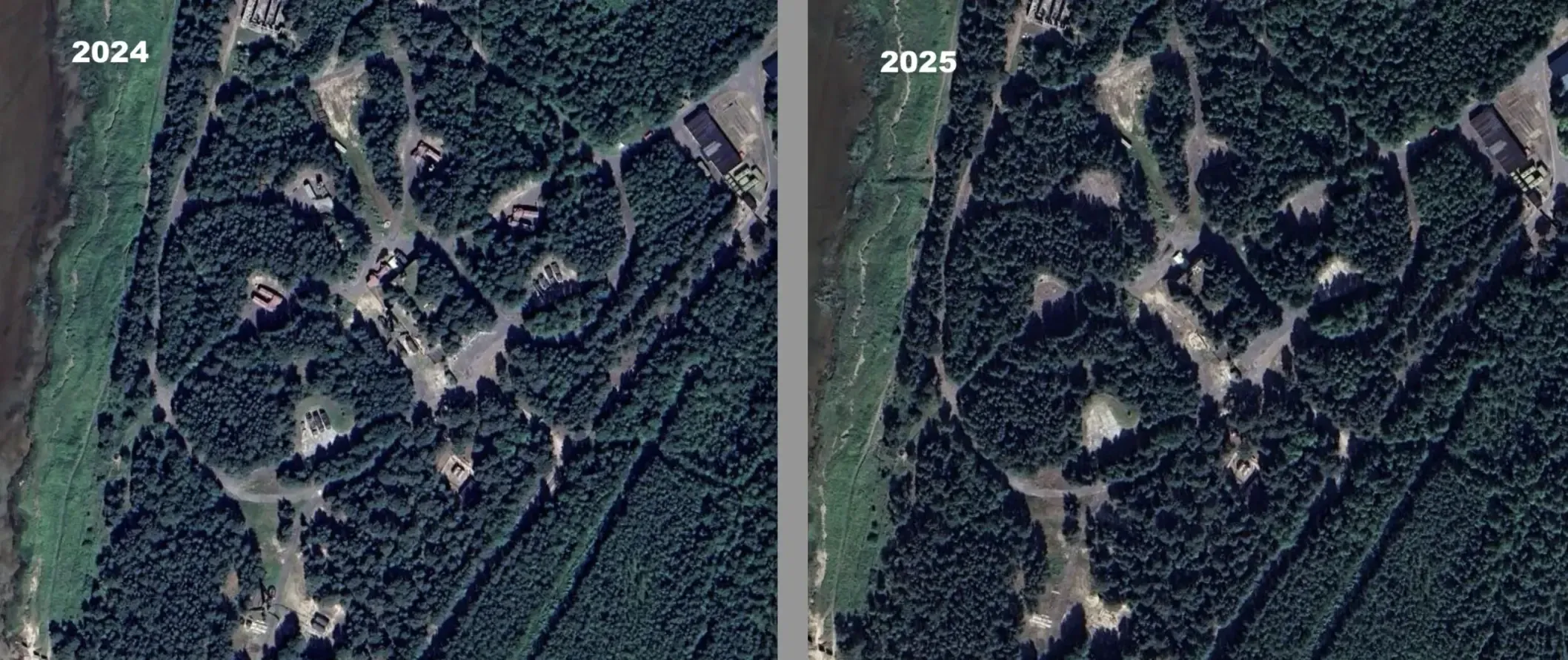
The apparent redeployment comes as Russia continues to redistribute air defense assets amid missile shortages and the growing need to defend other regions from Ukrainian long-range strikes.
According to Barents Observer, the withdrawn positions were operated by the 1528th Anti-Aircraft Missile Regiment, part of Russia’s Leningrad Military District. The regiment has been responsible for protecting Severodvinsk’s naval facilities since the Cold War.
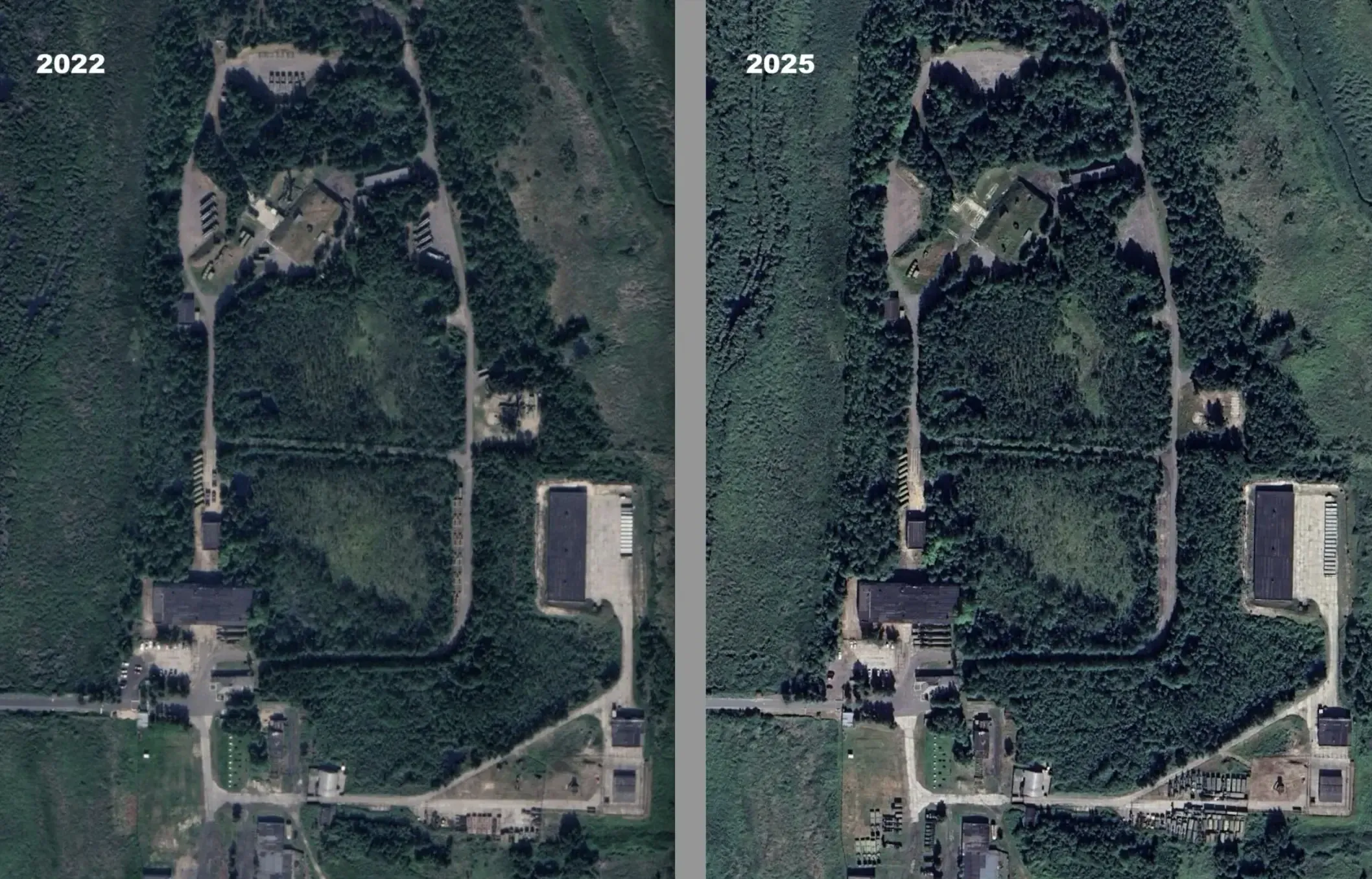
Satellite imagery reviewed by the outlet shows that two S-300 batteries on Yagry Island, previously equipped with launchers, target acquisition radars, missile guidance systems, and ammunition storage facilities, had been abandoned by 2025.
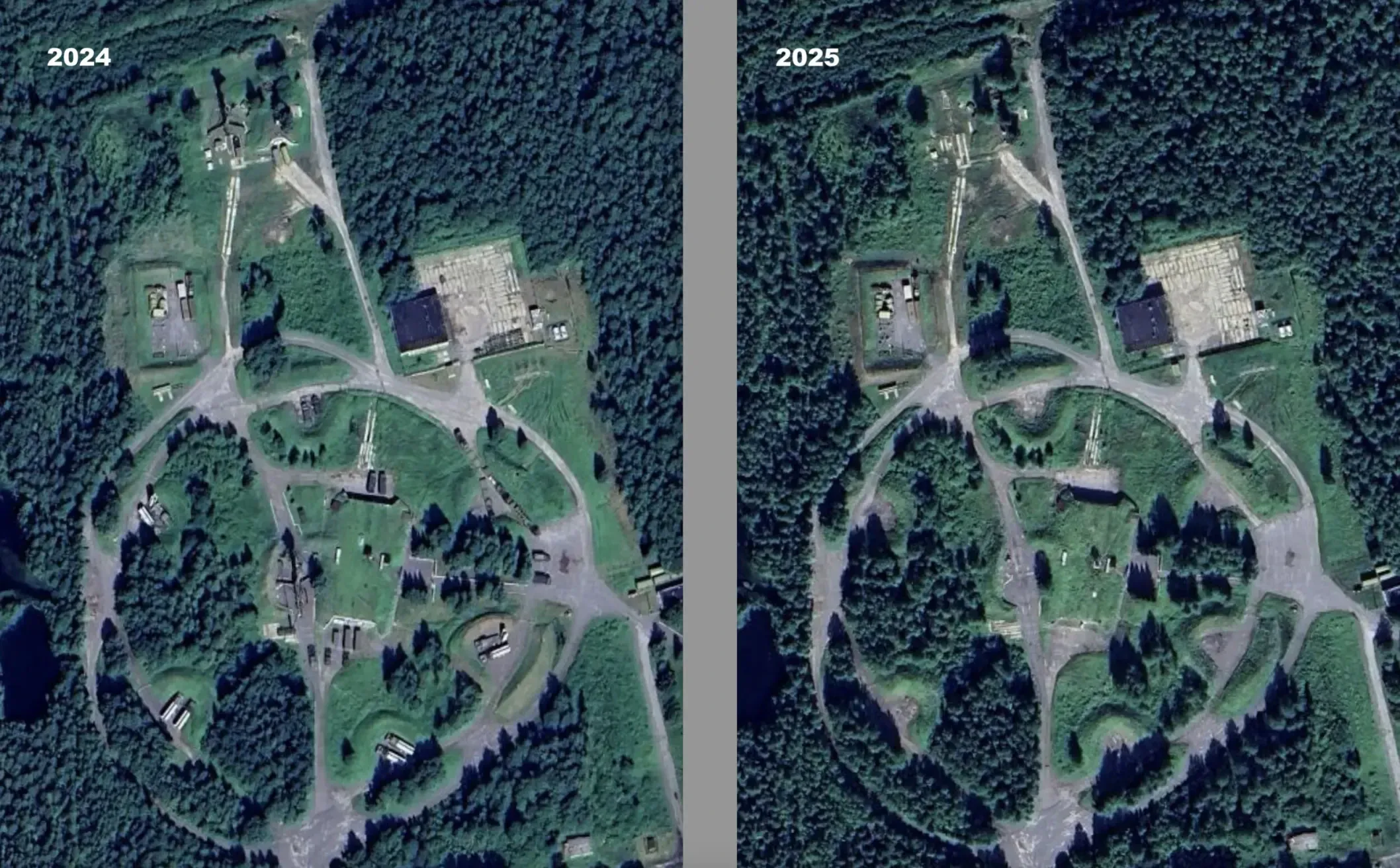
Another position on Mironova Gora, located about 12 kilometers from the shipyards, also appears to have been fully dismantled after previously hosting eight S-300 or S-400 launchers and supporting radar systems.
The affected sites protect two of Russia’s most strategically important naval enterprises. Sevmash is the country’s only shipyard that builds nuclear-powered submarines, while the neighboring Zvezdochka shipyard specializes in the repair and modernization of the Russian Navy’s submarine fleet.
Barents Observer also points to the death of Lt. Col. Vladimir Spiridonov, an S-400 battalion commander from the 1528th Regiment, as additional evidence that personnel from the unit were deployed away from Severodvinsk.
According to the outlet, Spiridonov was killed in occupied Crimea in April 2024 while taking part in what Russian authorities describe as the "special military operation .”
The reported redeployment follows earlier evidence that Russia has shifted air defense systems away from other regions. In late 2023, investigators from Bellingcat documented the transfer of S-400 batteries from Russia’s Kaliningrad exclave to Rostov-on-Don and occupied Crimea.
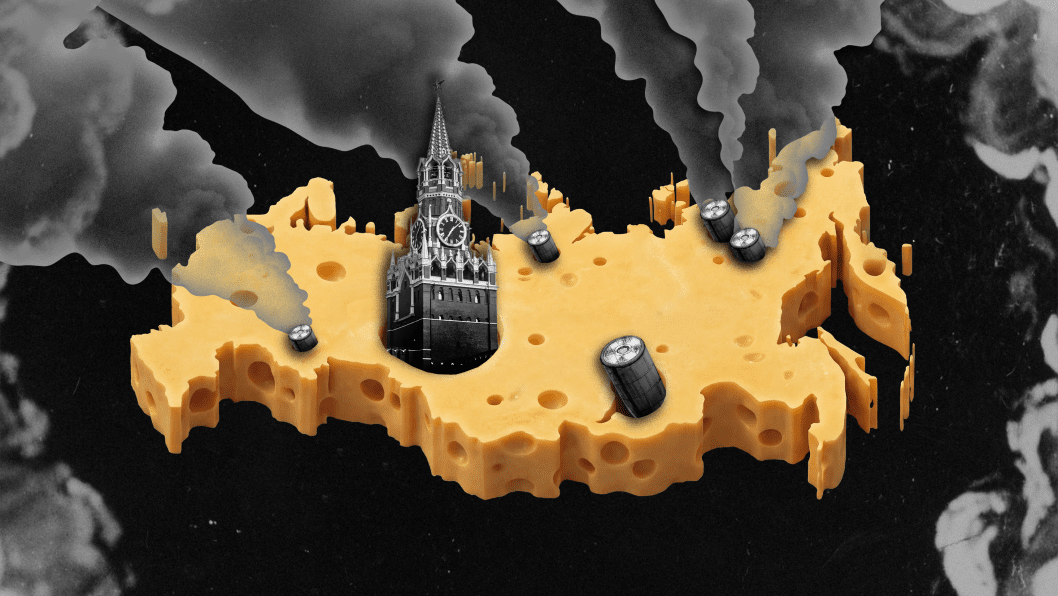
The changes also come as Ukraine has expanded the range of its long-distance drone campaign. In recent weeks, Ukrainian forces have struck military and energy infrastructure deep inside Russia, including the Omsk Oil Refinery located roughly 2,500 kilometers from the Ukrainian border.
Severodvinsk itself lies approximately 1,500 kilometers from Ukrainian-controlled territory, placing it within the range of Ukraine’s increasingly capable long-range strike systems.
Earlier this week, Ukraine publicly revealed a squadron of reusable Horynych bomber drones that were reportedly used to strike a Russian underground logistics hub near occupied Crimea, highlighting Kyiv’s growing ability to target military infrastructure deep inside Russian-controlled territory.
Discuss this article:
-9a7b3a98ed5c506e0b77a6663f5727c5.png)

-c439b7bd9030ecf9d5a4287dc361ba31.jpg "Photo of Katherina Popilnichenko")