- Category
- War in Ukraine
Russian Kalibr Missiles Feature New Cluster Warheads and Imported Components
 Prefer U24 Media on Google
- Authors


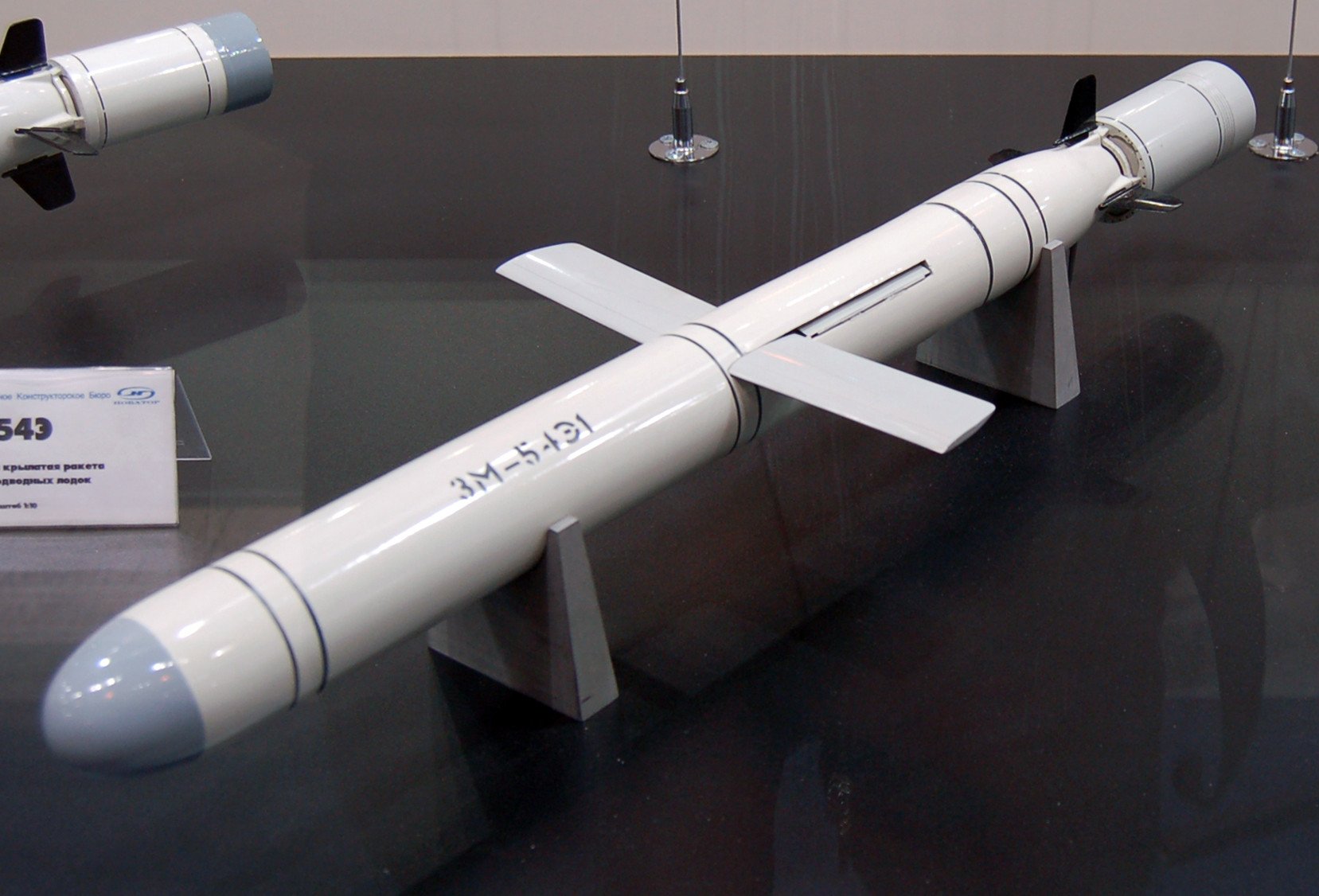
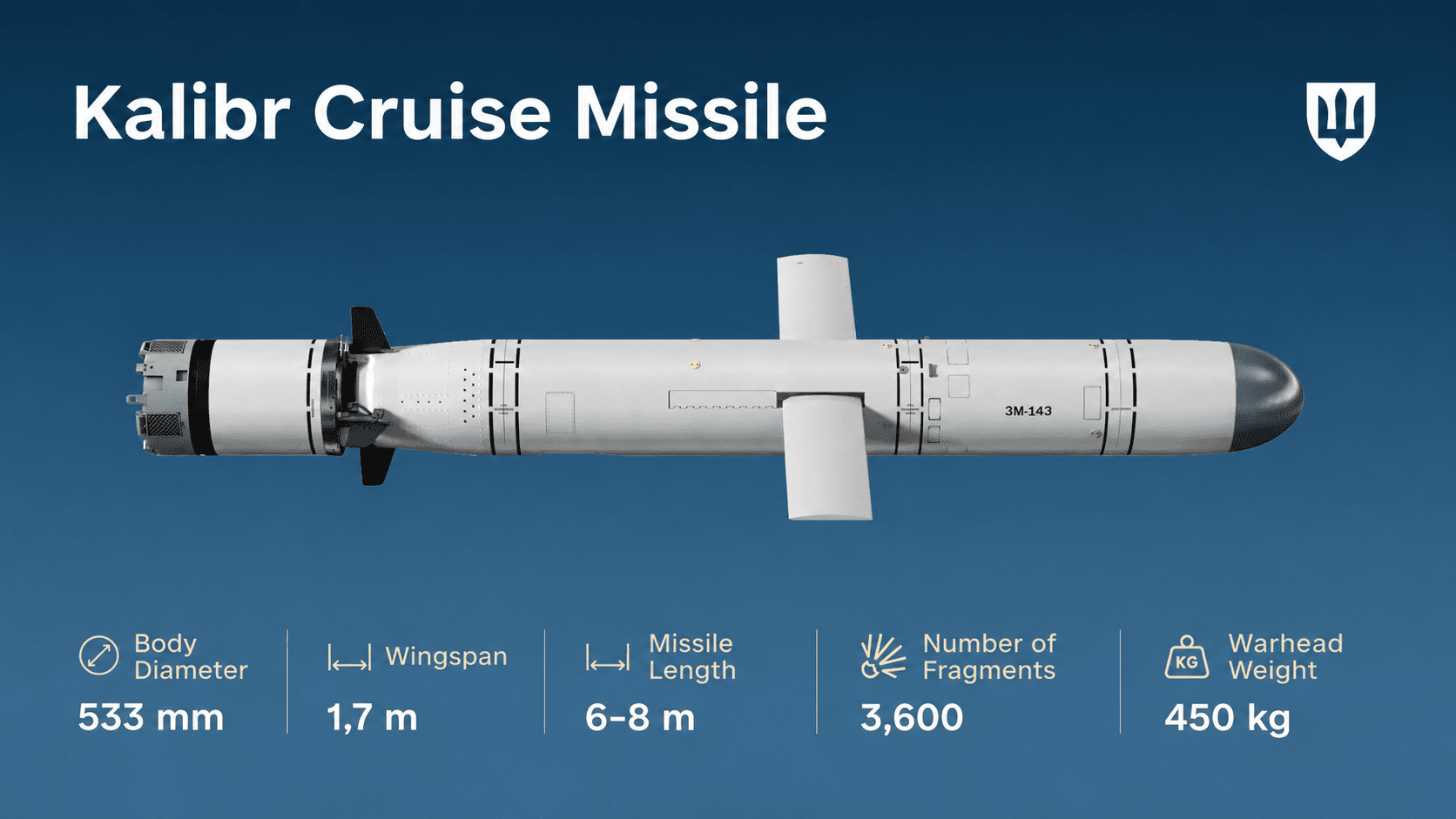
Russia has introduced two significant modifications to its Kalibr cruise missiles since the start of its full-scale invasion of Ukraine, according to Ukraine’s Ministry of Defense on June 9.
The ministry reported that Kalibr missiles used by Russian forces from 2022 through early 2026 were equipped with high-explosive fragmentation warheads. However, examinations of missiles downed this spring revealed a major change: for the first time, specialists identified Kalibr missiles fitted with cluster warheads.
We bring you stories from the ground. Your support keeps our team in the field.
According to the ministry, Russia implemented the modification to expand the missile's area of effect and increase its effectiveness against dispersed targets.
The analysis also found changes in the missiles' electronic components. During 2023 and 2024, Russia gradually transitioned to domestically produced electronic elements in the manufacturing of Kalibr missiles. However, the onboard digital computing unit recovered from a missile assembled in 2025 once again contained imported components.
Ukrainian defense officials suggested that the shift to locally produced electronics may have negatively affected the missile's guidance accuracy, prompting manufacturers to return to previously used foreign-made parts.
The ministry also noted that, based on the collected evidence, specialists have identified all manufacturers of electronic components used in Kalibr missiles, as well as key designers and managers involved in their production. The information is being forwarded for further consideration within the framework of international sanctions policy.
The reported modifications come amid warnings from Ukrainian intelligence that Russia continues to maintain substantial missile production capabilities. According to an assessment by Ukraine’s military intelligence agency (HUR), Russia is capable of launching up to 100 ballistic missiles against targets in Ukraine each month while preserving a stable stockpile.
According to the agency, Russia's defense industry is expected to produce up to 700 9M723 ballistic missiles for the Iskander operational-tactical missile system in 2026, maintaining output levels comparable to those recorded in 2025. Current production is estimated at approximately 55 to 60 missiles per month.
HUR also reported a notable rise in the manufacturing of RM-48U missiles used by the S-300PM and S-400 air defense systems, which Russian forces have modified for strikes against ground targets. More than 480 of these missiles are projected to be produced in 2026, compared with slightly more than 200 the previous year. Monthly production is estimated at up to 50 units.
In addition, the intelligence assessment indicates that Russia intends to manufacture up to 60 Kinzhal air-launched ballistic missiles during the current year.
Against this backdrop of evolving missile capabilities and continued production, Ukraine’s air defense forces increased their interception efficiency in May despite a significant escalation in the scale of Russian aerial assaults, though military officials stress that the country remains in urgent need of additional missiles capable of countering ballistic threats.
According to Ukraine’s Ministry of Defense, Russian forces employed 8,351 aerial weapons during large-scale attacks throughout May, up from approximately 6,700 recorded in April.
Discuss this article: