- Category
- War in Ukraine
Russia’s 80-Missile Nuclear Battlecruiser Set to Return After Nearly 30 Years in Repair
 Prefer U24 Media on Google
- Authors


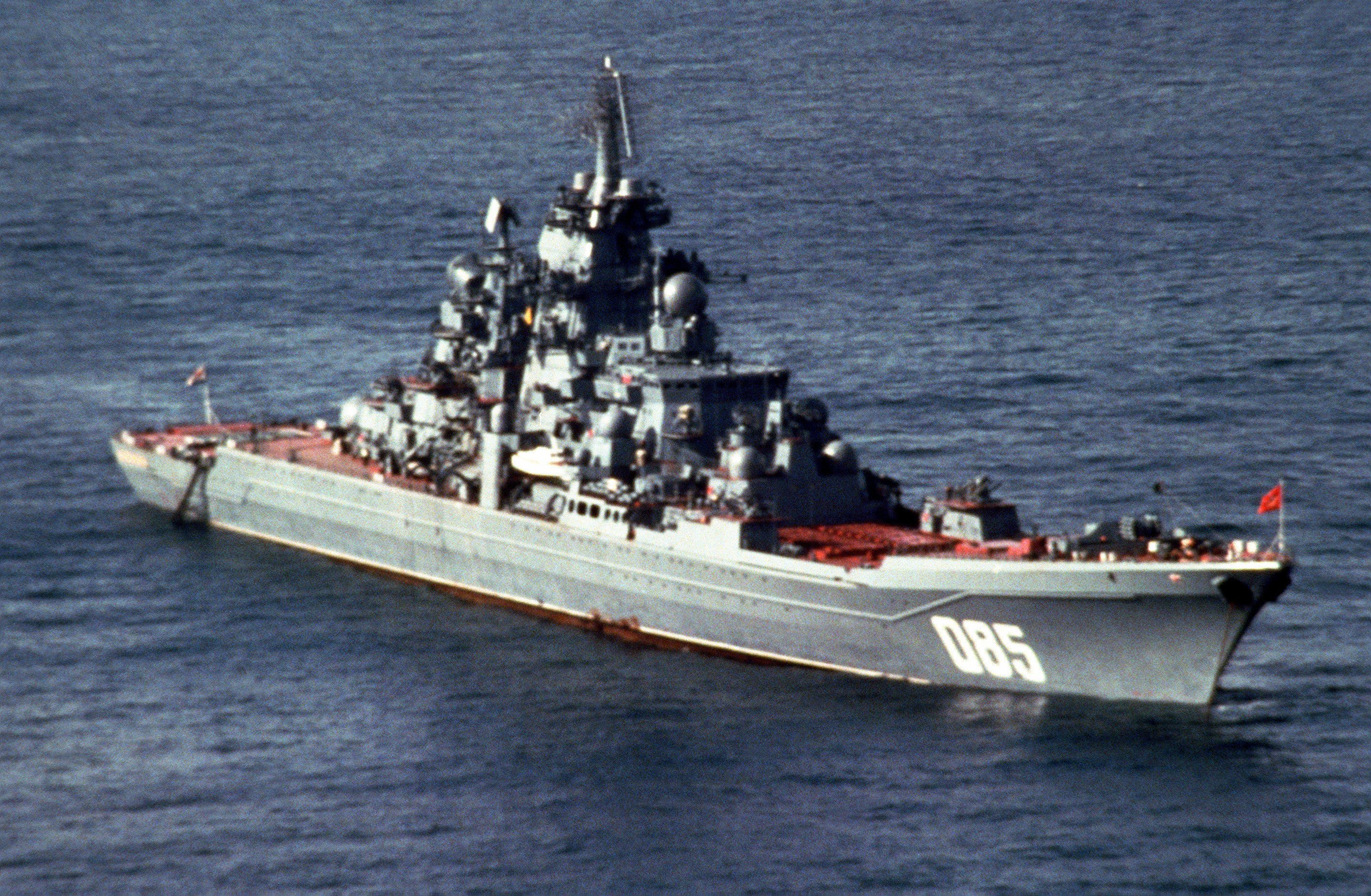
Russia’s nuclear-powered missile cruiser Admiral Nakhimov is nearing the end of trials after spending almost three decades undergoing repairs and modernization, potentially bringing an 80-cell missile platform back into active service.
We bring you stories from the ground. Your support keeps our team in the field.
According to Defense Express on August 30, the Project 1144 Orlan-class cruiser is completing factory and sea trials. Russian reports cited by the outlet indicate that state trials are expected to take place before the end of 2026, ahead of the ship’s planned return to the Russian Navy.
Admiral Nakhimov entered Soviet Navy service in 1988. The vessel was transferred to a repair facility in July 1997, although its overhaul was formally recorded as beginning in August 1999. If the cruiser returns to operational service as planned, it will have spent close to 30 years inactive, under repair, or undergoing modernization.
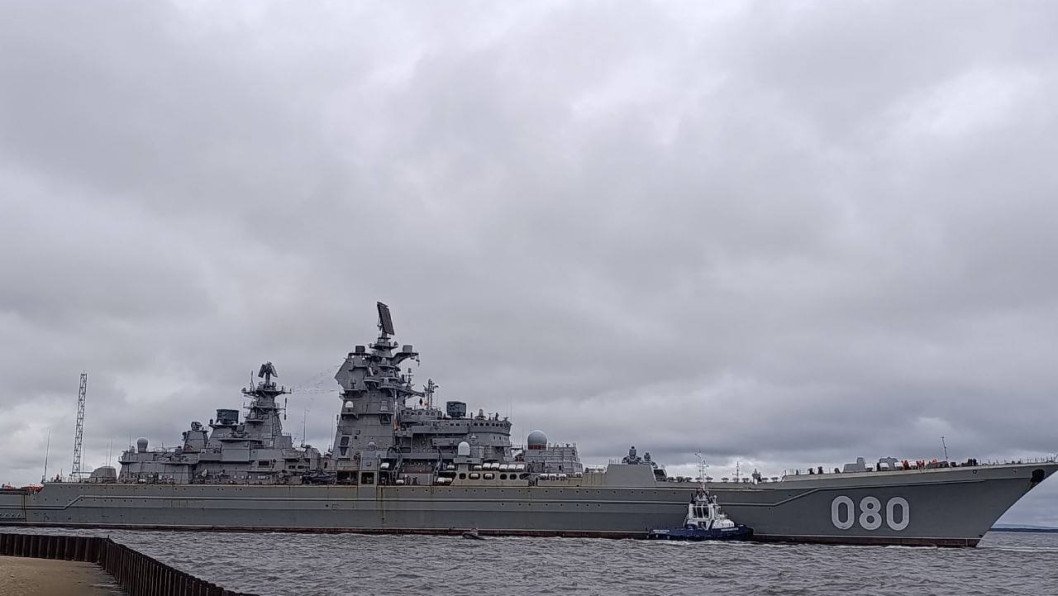
The prolonged program has also come at significant cost. Defense Express reported that current Russian estimates put the modernization bill at more than 200 billion rubles, equivalent to approximately $2.3 billion at current exchange rates. Previous estimates cited by the outlet suggested the total cost could have reached as much as $5 billion.
A major element of the modernization is the cruiser’s expanded missile armament. Admiral Nakhimov is equipped with 80 vertical launch cells designed to accommodate Kalibr cruise missiles, Oniks anti-ship missiles, and Zircon hypersonic missiles.
According to Defense Express, this configuration would make Admiral Nakhimov the most heavily armed surface combatant in the Russian Navy in terms of its offensive missile capacity.
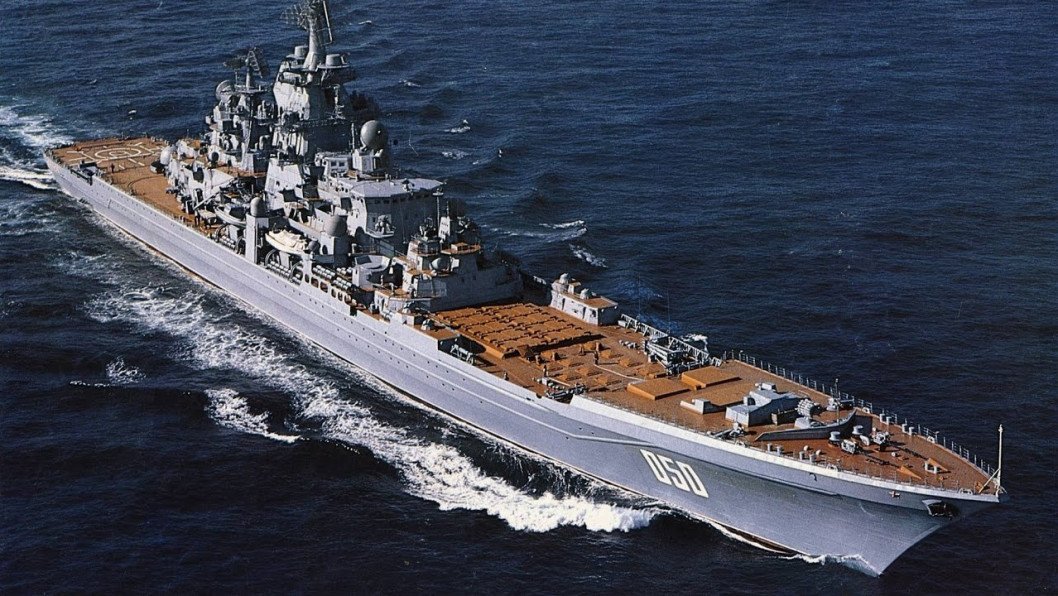
The ship also retains nuclear propulsion, giving it long endurance without the need for conventional refueling. Admiral Nakhimov is one of Russia’s Project 1144 Orlan nuclear-powered cruisers, known in NATO terminology as the Kirov class.
Defense Express noted that the concentration of substantial weapons and resources aboard a single vessel has raised questions among military observers about the operational value and vulnerability of such large warships in modern warfare.
The modernization comes as the role of large surface warships is being reassessed amid the growing use of relatively inexpensive unmanned systems at sea. Ukraine has repeatedly demonstrated the ability of naval drones and long-range weapons to strike Russian naval assets, particularly in and around temporarily occupied Crimea.
Discuss this article:
-9a7b3a98ed5c506e0b77a6663f5727c5.png)