- Category
- War in Ukraine
Russia’s Black Sea Fleet Hasn’t Left Port in Five Months, Firing Kalibrs From Novorossiysk
 Prefer U24 Media on Google
- Authors


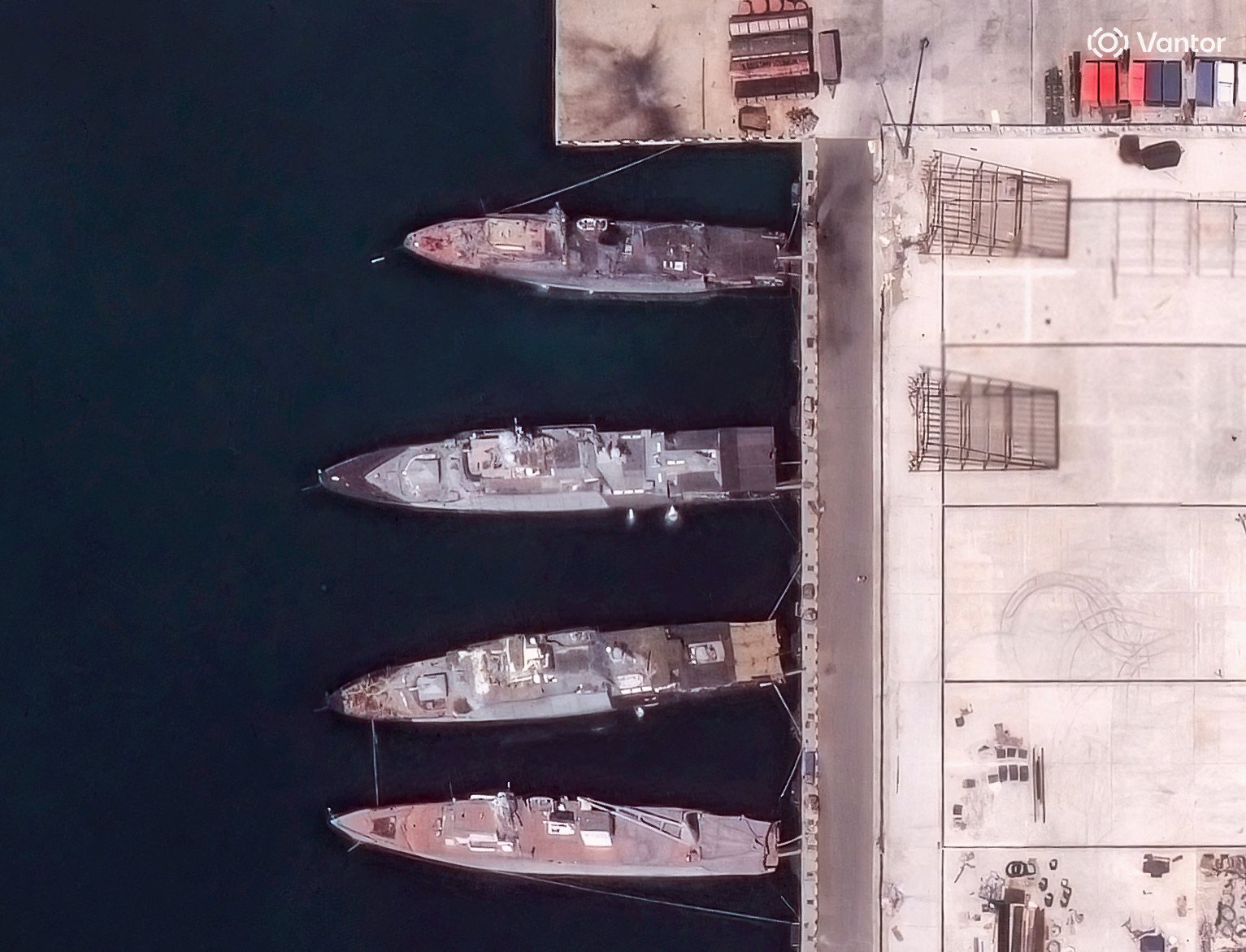
Russia’s Black Sea Fleet has avoided open waters for five consecutive months, launching Kalibr cruise missiles directly from its base in Novorossiysk, Ukrainian Navy spokesperson Dmytro Pletenchuk reported on October 26, according to NV.
Speaking on Ukraine’s national television, Pletenchuk explained that Russian commanders likely fear losing their warships at sea. As a result, they have opted to conduct missile launches from their own naval base, despite the potential dangers of such operations.
We bring you stories from the ground. Your support keeps our team in the field.
“It’s better to launch missiles from their own harbor, even though if something detonates there, everyone nearby will be in serious trouble. So yes, they decided to stay home,” Pletenchuk explained.
However, the restrictions on Russian naval movements have not eliminated the threat of Kalibr missile strikes against Ukraine. Pletenchuk noted that Russian submarines face greater operational limitations because they do not launch missiles from inside the harbor and have also stopped venturing into open waters.
Kalibr is a family of Russian sea-launched cruise missiles deployed aboard surface warships and submarines. Its 3M-14 land-attack variant has an estimated range of 1,500 to 2,500 kilometers and carries a warhead weighing approximately 450 kilograms, according to the Center for Strategic and International Studies.

The missile’s long range allows Russian warships to strike targets across Ukraine while remaining in port. This enables Moscow to maintain a naval missile threat without exposing its surface vessels to the same risks of operating in open waters.
Meanwhile, Russian military aviation continues to operate over the Black Sea around the clock, conducting patrols and strikes both day and night. Russian drones also remain active in the area.
Pletenchuk emphasized that Russian aircraft and helicopters maintain a distance of at least 100 kilometers from Ukraine’s coastline.
He recalled that Ukrainian forces had previously used naval drones to shoot down Russian aircraft and helicopters, demonstrating the expanding capabilities of Ukraine’s unmanned maritime systems.

Earlier, on September 9, several branches of Ukraine’s security and defense forces struck the naval base in Novorossiysk, hitting military harbor facilities, warships, and Kalibr missile carriers, along with a terminal involved in oil shipments.
At the port’s fuel oil terminal, a commercial logistics hub with an annual throughput capacity of 4 million metric tons, at least one petroleum storage tank was set ablaze.
Discuss this article: