- Category
- War in Ukraine
Russia’s Starlink Dream Goes Up in Flames as Second Satellite Burns Up
 Prefer U24 Media on Google
- Authors


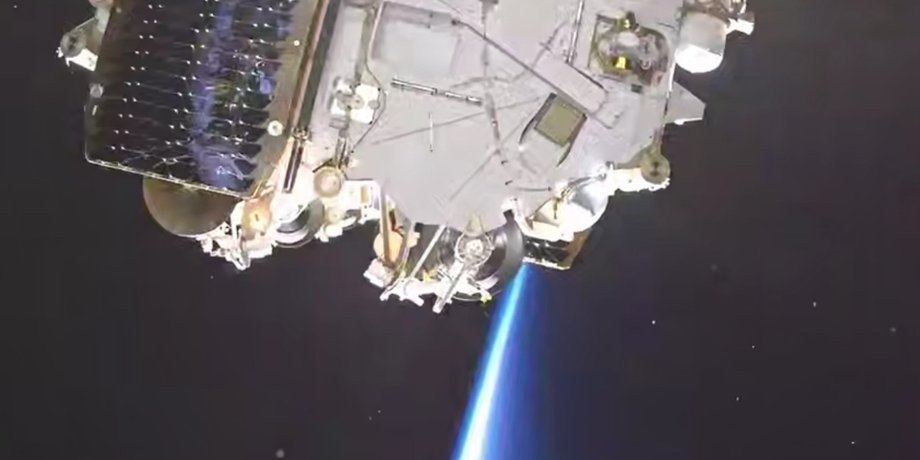
Russia’s attempt to build its own alternative to Elon Musk’s Starlink has suffered another setback, with a second Rassvet-3 satellite burning up in Earth’s atmosphere after failing to reach its intended orbit.
We bring you stories from the ground. Your support keeps our team in the field.
According to Defense Express on October 30, the satellite, designated Rassvet-3 No. 17 (NORAD 100083), reentered the atmosphere on October 30, just three months and 11 days after its launch aboard a Soyuz-2.1b rocket on July 19.

The spacecraft apparently never activated its propulsion system to raise its orbit, leaving it to gradually lose altitude due to atmospheric drag until it burned up.
This marks the second satellite lost from Russia’s Rassvet constellation, developed by Bureau 1440 as a domestic alternative to SpaceX’s Starlink. The first, Rassvet-3 No. 4, reentered the atmosphere on June 6 after experiencing similar difficulties.

However, Russia managed to rescue another troubled satellite, No. 23, which began raising its orbit on October 20 after descending to approximately 220 kilometers. It has since climbed to around 300 kilometers and continues gaining altitude.
Despite the losses, the overall constellation remains operational in its testing phase. Of the 30 Rassvet-3 satellites still in orbit, 26 have reached approximately 500 kilometers, while another is approaching that altitude.

Although the planned operational altitude is around 800 kilometers, the satellites are currently positioning themselves at 500 kilometers before a coordinated ascent.
Bureau 1440 has also reportedly begun testing satellite internet terminals in remote Russian regions. Separately, equipment resembling satellite communication terminals has been spotted aboard Russian drones used against Ukraine, although its connection to the Rassvet network remains unconfirmed.
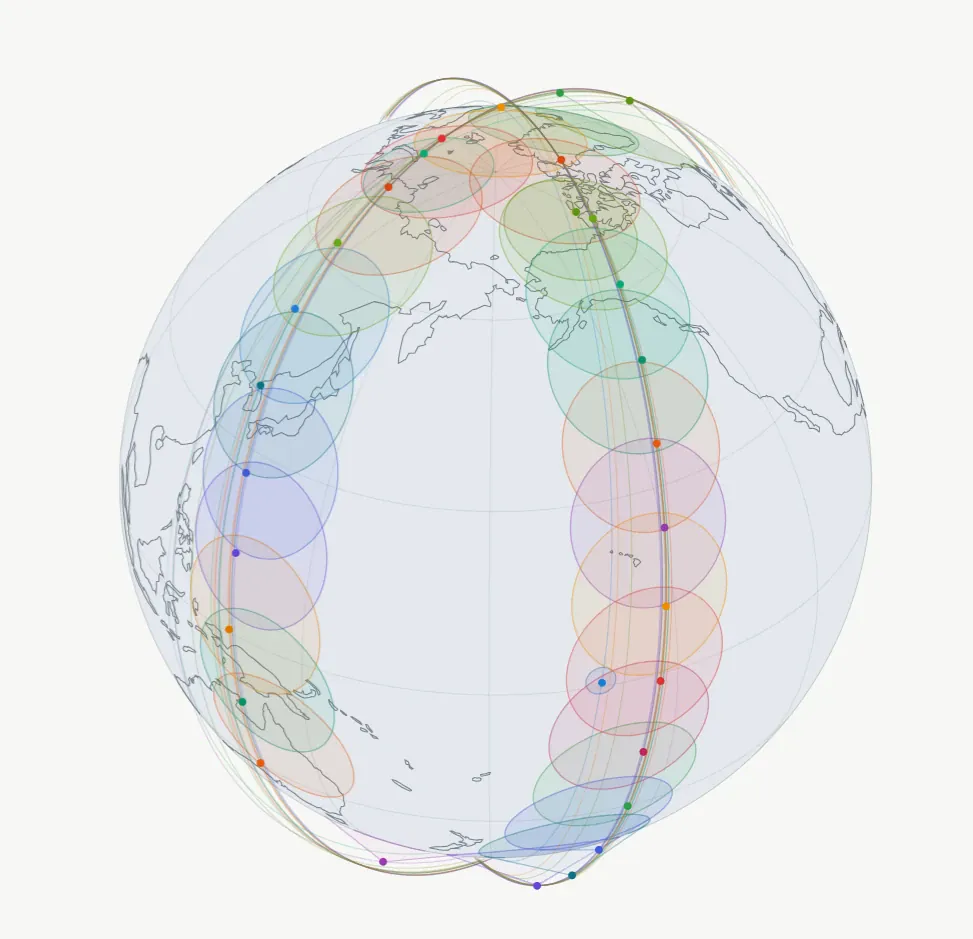
The two satellite losses highlight technical challenges in Russia’s efforts to establish an independent satellite internet network, but do not necessarily indicate that the wider project is failing.
Earlier reports indicated that two Rassvet-3 satellites were rapidly losing altitude and risked burning up in Earth’s atmosphere within weeks. One has now been lost, while the other has successfully begun raising its orbit.
Discuss this article: