- Category
- War in Ukraine
Sybiha: Ukraine’s Peace Framework Is Realistic Opportunity for Putin to Avoid Collapse
 Prefer U24 Media on Google
- Authors

-c439b7bd9030ecf9d5a4287dc361ba31.jpg "Photo of Katherina Popilnichenko")
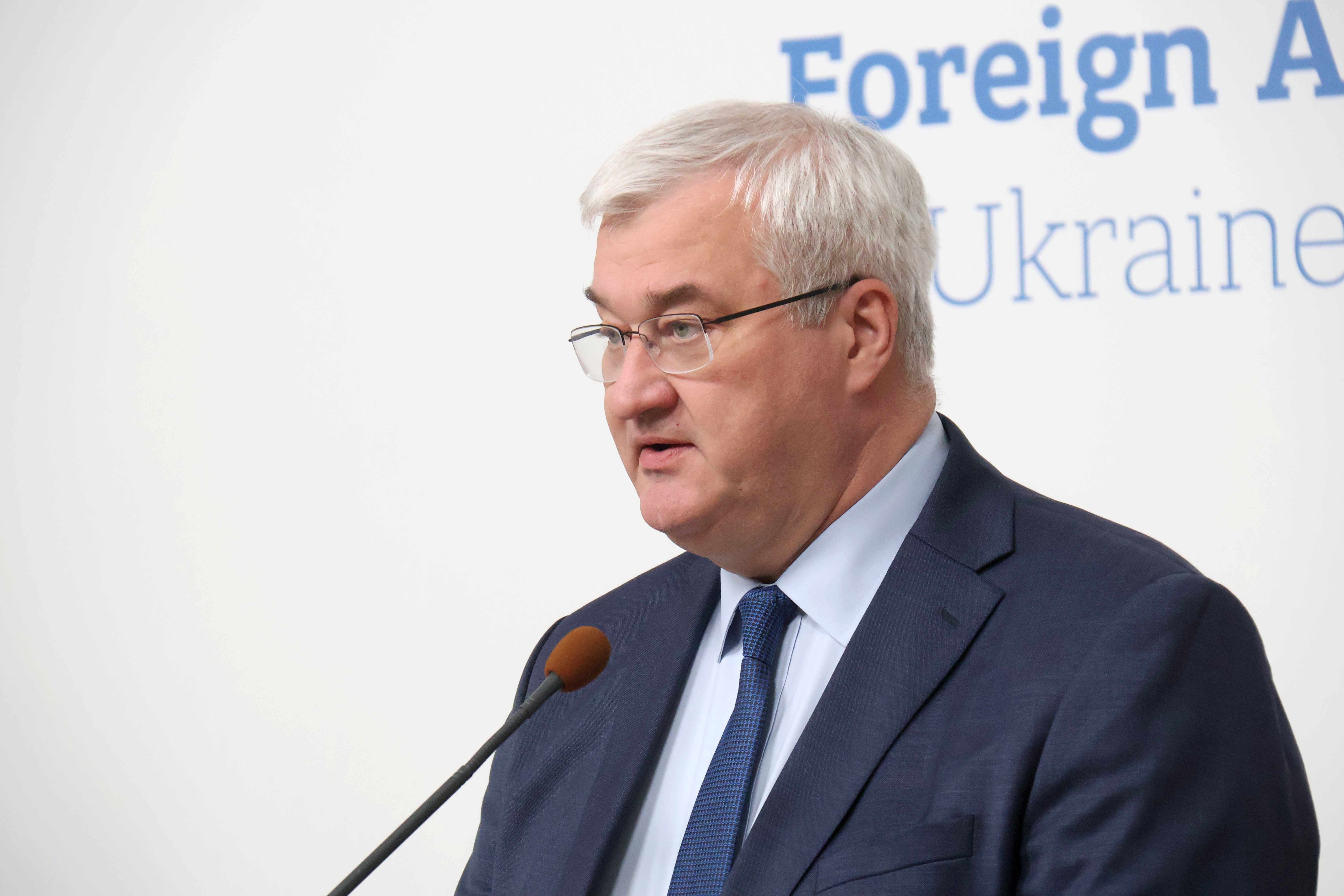
Ukrainian Foreign Minister Andrii Sybiha outlined four essential requirements for ending Russia’s full-scale invasion of Ukraine and securing a durable peace during a panel discussion on July 7.
Speaking at the "Role Reversal: Ukraine as a Guarantor of European Security, Rethinking Dependencies" event, organized by the Munich Security Conference and the SETA Foundation, Sybiha stated that Ukraine has strengthened its negotiating position through battlefield achievements, international support, and domestic unity, according to the Ministry of Foreign Affairs of Ukraine.
We bring you stories from the ground. Your support keeps our team in the field.
The minister emphasized that Ukraine is no longer just a nation requiring protection but has evolved into a security provider and a reliable partner capable of reinforcing global security, including in regions like the Middle East.
According to Sybiha, a sustainable peace requires legally binding bilateral security guarantees from the United States, a military presence of international partners on Ukrainian soil backed by Washington, full Ukrainian membership in the European Union as a core security component, and a continuous reinforcement package for the Ukrainian Armed Forces to deter future aggression.
The foreign minister described this framework as a realistic opportunity for the Kremlin to avoid total internal failure.
"The Ukrainian proposal for ending the war is realistic and feasible. This is a chance for Putin to avoid collapse," Sybiha stated, adding that the Russian leader must recognize his objectives cannot be achieved on the battlefield.
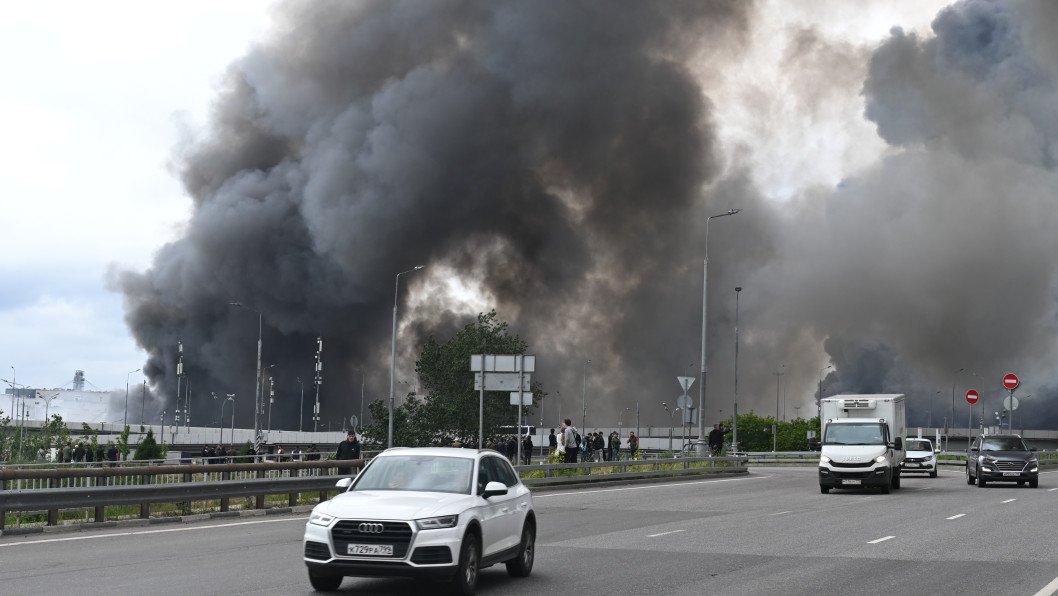
The minister explained that the war has entered a new phase centered on aerial dominance, innovation, and unmanned technologies, where Ukraine continues to make advancements.
He noted that Ukraine’s growing geopolitical strength directly correlates with a decline in Russian influence across Africa, Central Asia, and the Global South. The strategy to end Russia’s full-scale invasion of Ukraine involves escalating the financial and political costs of aggression through sanctions, utilizing frozen Russian assets, and deepening Moscow's international isolation.
To illustrate the economic pressure on the Kremlin, Sybiha provided specific metrics on Russia's energy sector. Between 2022 and 2025, daily oil production in Russia fell by 7%, and in the first five months of 2026 alone, operations were halted at more than 1700 Russian oil wells.
Addressing military operations, Sybiha asserted that Ukraine does not require third-party permission to use its own long-range weaponry against legitimate military targets inside Russian territory. He stated that Kyiv will maintain asymmetric operations under the right to self-defense established by Article 51 of the UN Charter.
Additionally, the minister expressed a desire to enhance high-level bilateral communication with Beijing, revealing that he received an invitation from Chinese Foreign Minister Wang Yi to visit China.
During their discussions, Sybiha urged China to support a ceasefire in accordance with its stated principles. Reflecting on global defense trends, the foreign minister concluded that the era of conventional disarmament has come to an end.
Previously, NATO leaders supported Ukraine's intensified drone strikes deep inside Russia as a means of forcing Moscow back to negotiations, while Finland's President, Alexander Stubb, stated that Kyiv held its strongest position since the invasion began.
Discuss this article:


-29a1a43aba23f9bb779a1ac8b98d2121.jpeg "Photo of Illia Kabachynskyi")