- Category
- War in Ukraine
Ukraine Offers Battle-Tested Drone Experts to NATO’s Baltic Frontier After Airspace Breaches
 Prefer U24 Media on Google
- Authors


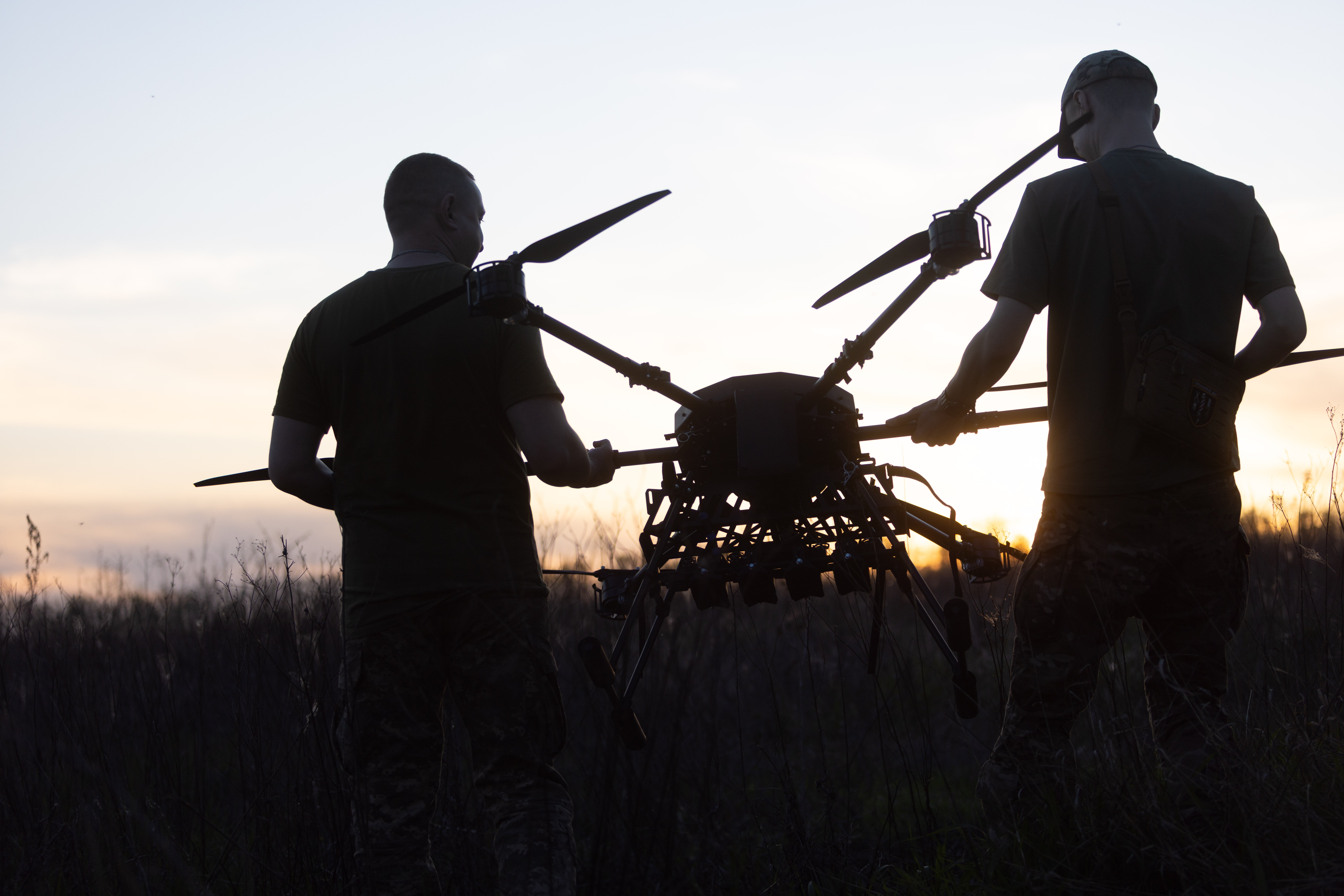
Ukraine is considering sending military and technical specialists to the Baltic states following a series of drone-related incidents near NATO borders.
We bring you stories from the ground. Your support keeps our team in the field.
According to statements by Ukrainian and Baltic officials reported by ERR on May 10, the proposal follows a series of recent drone-related incidents near NATO borders.
Several unidentified drones have entered or crashed in Baltic airspace in recent weeks, including incidents in Latvia and Estonia that coincided with ongoing Ukrainian long-range drone strikes against Russian targets near the Baltic Sea.
According to ERR, Kyiv has already contacted the Estonian Embassy in Ukraine regarding possible cooperation, although the exact format of the initiative remains under discussion.
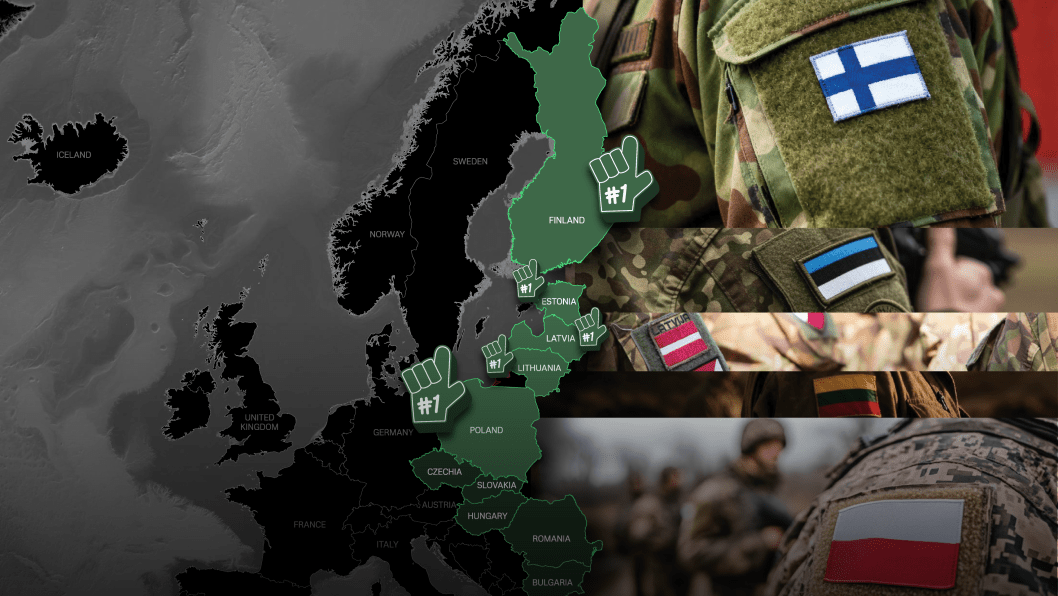
Ukrainian Foreign Minister Andrii Sybiha said Kyiv is prepared to assist Baltic partners in strengthening regional airspace security. Speaking after a phone call with Latvian Foreign Minister Baiba Braže, Sybiha stated that Ukrainian agencies are already exchanging information with Baltic authorities to determine the circumstances surrounding recent drone incidents.
“If it is confirmed that these were Ukrainian drones intentionally diverted off course and sent toward Latvia by Russian electronic warfare systems, we will express our sincere apologies to our Latvian friends. I can state with full confidence: Ukraine has never directed any drone toward Latvia,” Sybiha said.
According to Sybiha, Ukraine has already apologized to Estonia, Latvia, Lithuania, and Finland for unintended incidents involving drones allegedly affected by Russian electronic warfare systems.
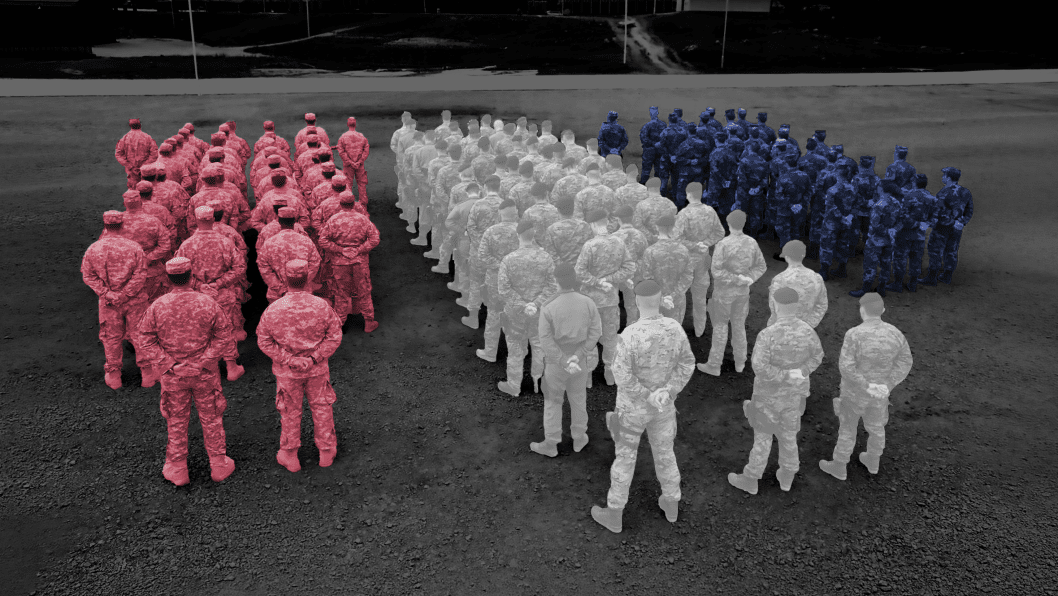
“On the instructions of President Volodymyr Zelenskyy, we are also considering the possibility of sending groups of Ukrainian experts to provide direct assistance in strengthening the security of our friends’ airspace against any type of incident,” he added.
Baltic officials have meanwhile called for tighter control over Ukrainian drone operations near NATO territory. Estonian Defense Minister Hanno Pevkur said the most effective solution would be improved flight management by Ukrainian operators.
“Without a doubt, the easiest way for Ukrainians to keep their drones away from our territory is to better control their activities,” Pevkur said. Estonian Foreign Minister Margus Tsahkna said Tallinn supports Ukraine’s right to strike military targets inside Russia but warned that incidents near NATO borders create additional risks.
“Russia may take control of Ukrainian drones and send them toward us already targeted somewhere where, for example, there are human casualties,” Tsahkna stated.
According to ERR, Baltic governments are particularly concerned that Russian electronic warfare systems could interfere with Ukrainian drones operating near the region and redirect them toward NATO territory.
Latvian Defense Minister Andris Sprūds said Ukraine is unlikely to share operational details about planned strikes or flight trajectories because such information remains classified military data. “If we are talking about specific cases and flight trajectories, Ukraine has to decide whether to inform us about this or not. In general, this is operational information,” Sprūds said.
The discussions intensified after several drones entered Latvian airspace overnight on May 7. Two drones reportedly crashed inside the country, including one near an oil storage facility. Latvian authorities said the drones entered from Russian territory, although officials have not publicly confirmed their origin.
According to ERR, similar incidents were previously recorded after Ukrainian drone attacks targeting Russian ports near Saint Petersburg earlier this year. Several drones reportedly crossed into the airspace of Baltic states and Finland during those operations. Baltic and Ukrainian officials are now discussing technical measures aimed at reducing the risk of future incidents.
“One can change the trajectory, one can control drone flights thanks to built-in so-called kill switches, meaning automatic destruction systems—if they see that a drone is going off course, then that drone can be automatically destroyed even at a distance,” Pevkur said.
Earlier, Ukraine joined Sweden’s Aurora 26 military exercises in the Baltic Sea region, where Ukrainian drone operators trained alongside NATO and partner forces on unmanned warfare and counter-drone tactics. The drills focused on the defense of Gotland Island, a strategically important location often described as a key NATO stronghold in the Baltic Sea.
Discuss this article:
-9a7b3a98ed5c506e0b77a6663f5727c5.png)