- Category
- World
NATO Jets Scramble Three Times in One Week to Intercept Russian Aircraft Over Baltic Region
 Prefer U24 Media on Google
- Authors


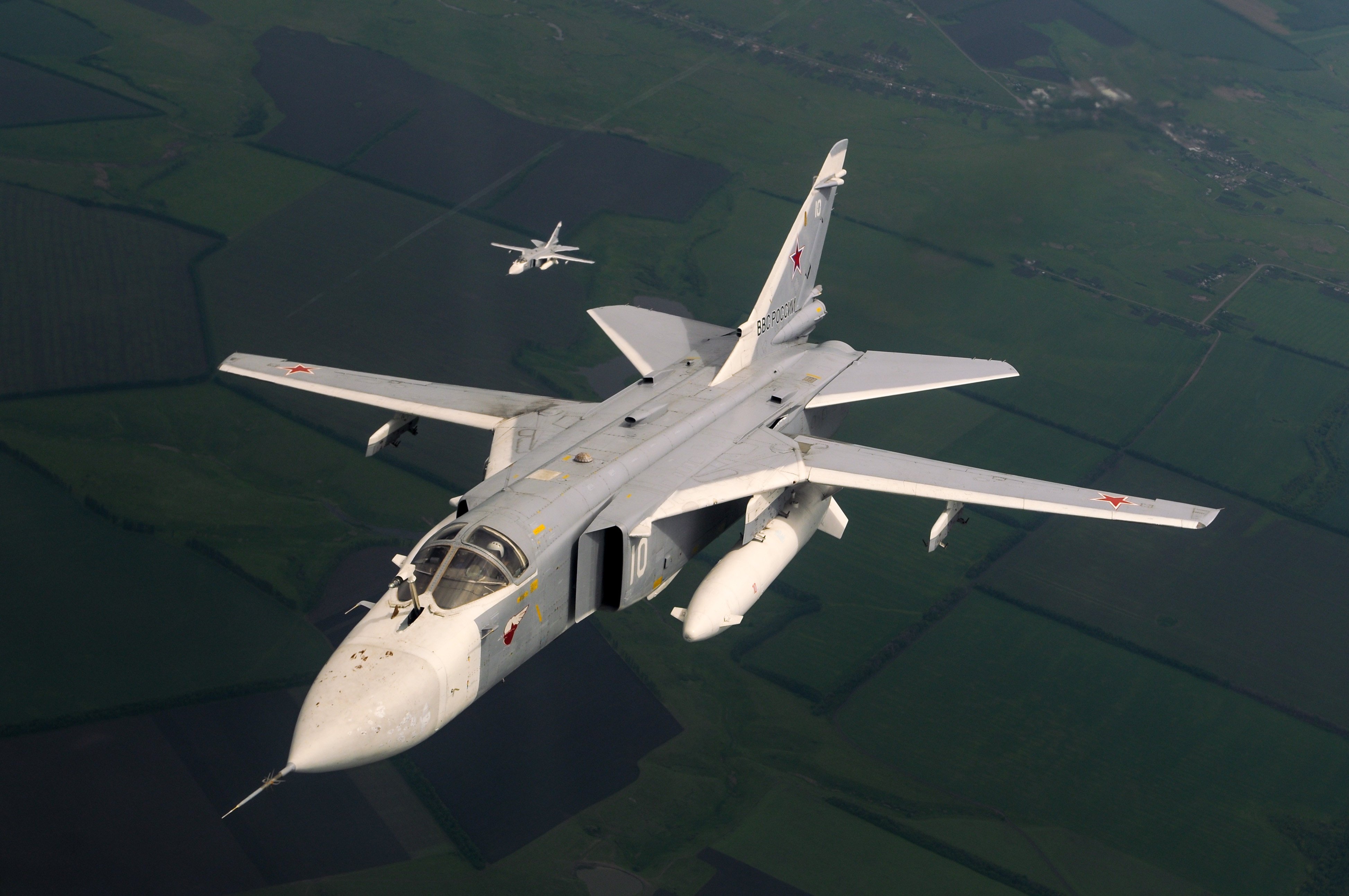
NATO fighter jets were scrambled three times over the past week to identify and escort Russian military aircraft flying near the Baltic states, according to LRT on May 4, citing Lithuania’s Ministry of National Defense.
We bring you stories from the ground. Your support keeps our team in the field.
The Lithuanian ministry reported that the incidents involved multiple Russian aircraft operating in international airspace but failing to comply with standard aviation safety protocols. These included missing flight plans, lack of communication with air traffic control, and, in some cases, disabled radar transponders.
On April 29, NATO air policing aircraft were dispatched to intercept two Russian Su-24 bombers flying from and back to Russia’s Kaliningrad region. According to LRT, the aircraft were operating without transponders, had not filed flight plans, and did not maintain radio contact with the Regional Air Traffic Control Center.
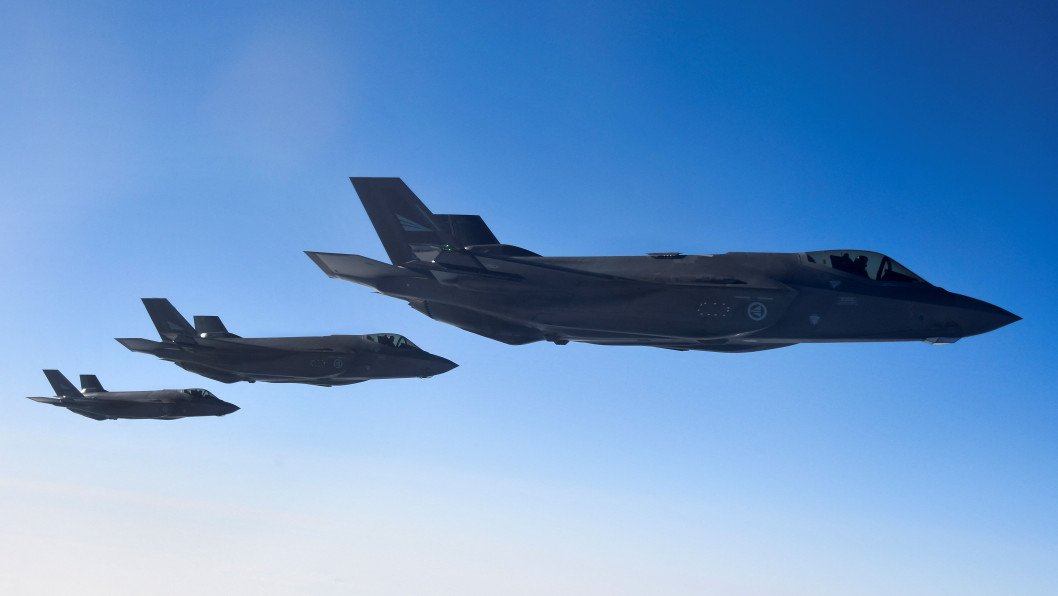
Later the same day, NATO fighters were again scrambled to identify a Tu-134 aircraft traveling from mainland Russia to Kaliningrad. As reported by LRT, the aircraft had its transponder activated but still lacked a flight plan and did not communicate with air traffic control.
A third interception occurred on May 1, when French Air and Space Force Rafale jets, currently deployed as part of NATO’s Baltic Air Policing mission, were launched to escort two additional Su-24M aircraft. These jets also flew without transponders, flight plans, or radio communication.
NATO’s Baltic Air Policing mission has been in place since March 2004, following the accession of Lithuania, Latvia, and Estonia to the alliance. The mission is designed to safeguard the airspace of member states that do not maintain their own fighter aircraft fleets.
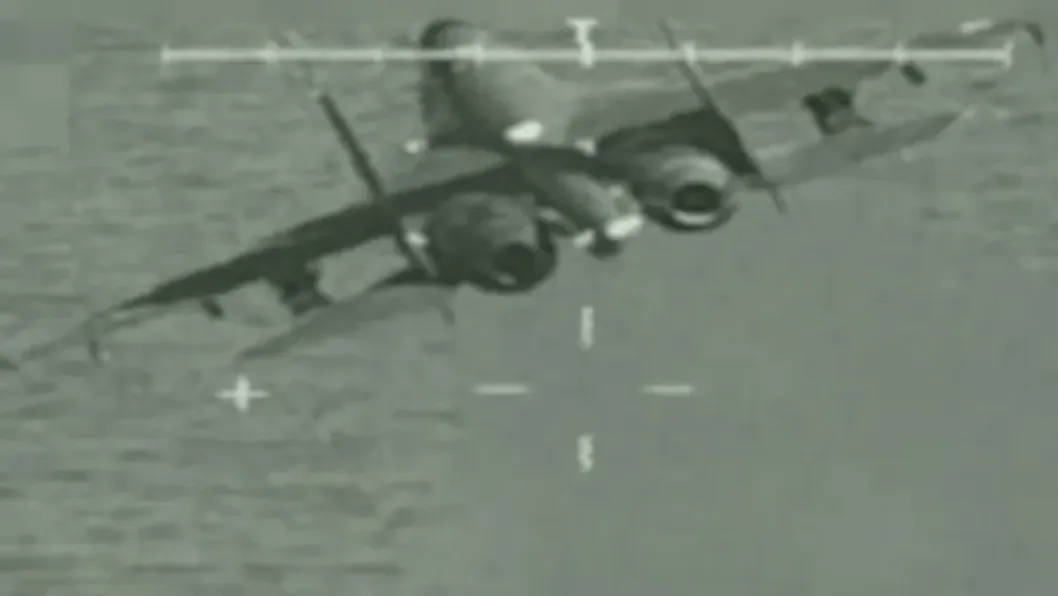
As of March 31, 2026, France and Romania have taken over responsibility for the mission, replacing previous deployments from Spain and Italy.
Sweden has launched its first sovereign military satellite to strengthen independent reconnaissance capabilities, particularly for monitoring Russia and the Baltic region, according to SVT on May 4. The satellite, launched by SpaceX from Vandenberg Space Force Base, is part of a planned constellation of up to ten spacecraft aimed at improving long-range surveillance and target detection as Sweden expands its role within NATO.
Earlier in April, US F-16s operated from remote bases across Alaska under NORAD to counter increased Russian air activity, supported by KC-135 tankers. The move followed multiple detections of Russian aircraft, including Tu-142s, in Alaska’s air defense zone, where they were tracked and escorted by US and Canadian forces.
Discuss this article:
-9a7b3a98ed5c506e0b77a6663f5727c5.png)


-c439b7bd9030ecf9d5a4287dc361ba31.jpg "Photo of Katherina Popilnichenko")