- Category
- War in Ukraine
Ukraine’s August Strikes Reach 1,900km Deep Inside Russia
 Prefer U24 Media on Google
- Authors


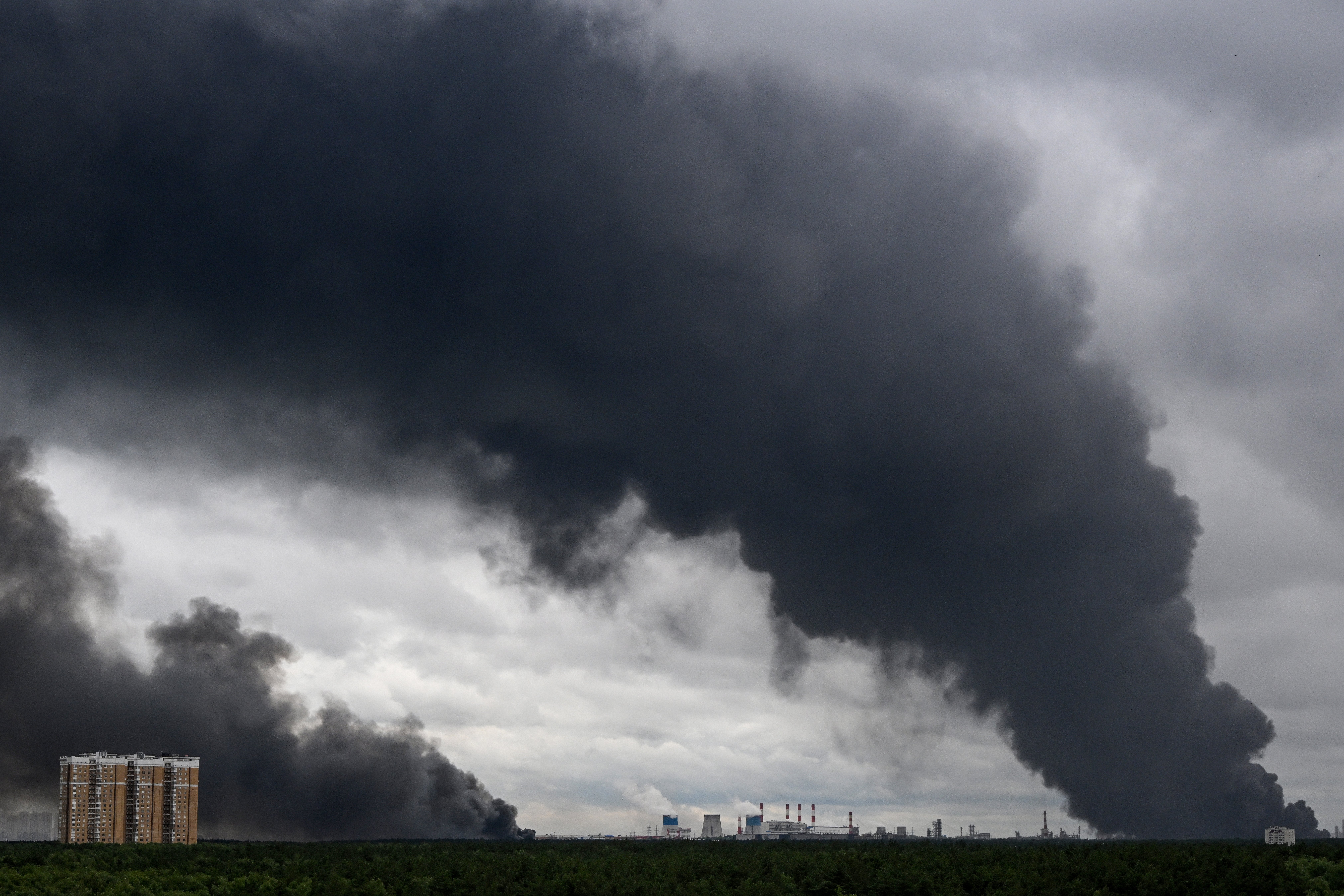
Ukraine’s long-range strikes against targets inside Russia reached depths of more than 1,500 kilometers from the Ukrainian state border in August, hitting key elements of Moscow’s military-industrial and energy infrastructure, Ukraine’s Ministry of Defense said.
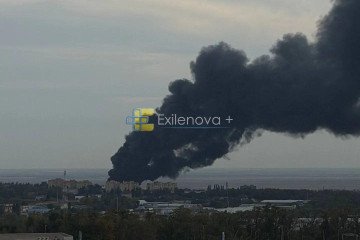
According to the ministry, Ukrainian Defense Forces struck 12 major Russian oil refineries during the month, along with gas-processing and petrochemical facilities, fuel terminals, oil depots, defense industry enterprises, military airfields, and other logistics sites.
We bring you stories from the ground. Your support keeps our team in the field.
The 12 refineries targeted have a combined design capacity of around 100 million tonnes of petroleum products per year. Among them were the Lukoil Nizhny Novgorod refinery, Syzran, Kirishi, TANECO, Slavneft-YANOS, Lukoil’s Perm refinery, Novokuibyshevsk, Saratov, Bashneft-Novoil, Ilsky, Afipsky, and Orsk refineries.
Some of the targets were located around 1,500 kilometers from Ukraine’s state border, including the Perm and Orsk refineries. The ministry said the strikes focused on particularly vulnerable parts of the refining process, including primary processing, secondary distillation, hydrocracking, and catalytic reforming units.
Ukraine also targeted two facilities in Russia’s gas-processing and petrochemical industries. The Tobolskneftekhim complex, located approximately 1,900 kilometers from the Ukrainian border, was hit along with the Astrakhan gas processing plant, around 1,200 kilometers away.
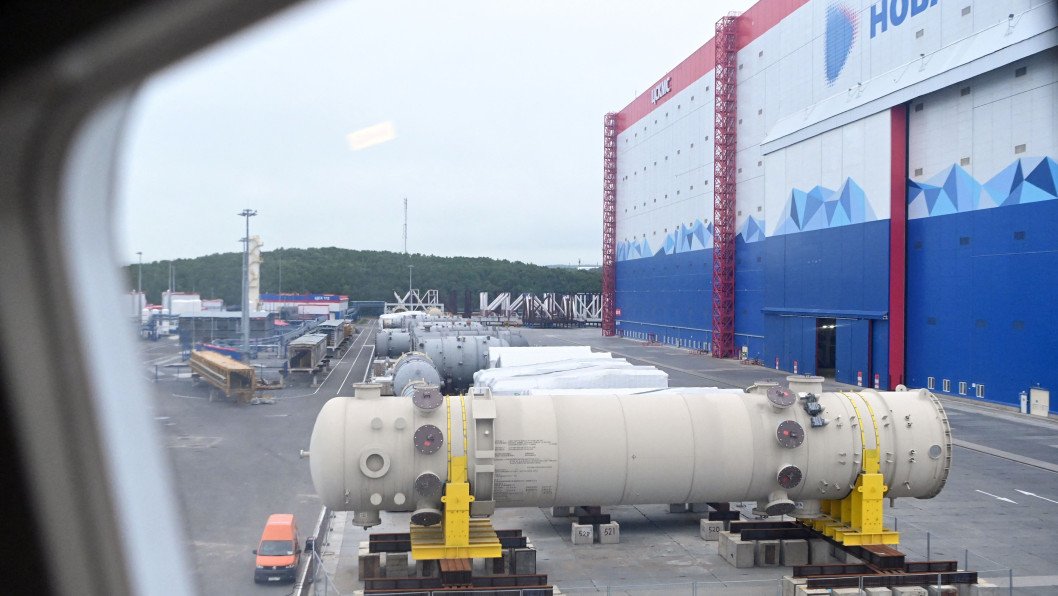
According to the Defense Ministry, products manufactured at these facilities are required for the production of rocket and aviation fuel, explosives, composite materials, and components used in unmanned aerial vehicles.
Ukrainian long-range strikes also targeted three major fuel terminals and oil depots: Tamanneftegaz, the Yeisk oil transshipment complex, and the Lyudinovskaya oil depot. The ministry said attacks on such facilities are intended to disrupt Russia’s ability to store and transport fuel used to sustain its war effort.
Defense industry facilities were another focus of the August campaign. At the Kamensky Combine, approximately 500 kilometers from the Ukrainian border, two workshops were completely destroyed and another four sustained significant damage, according to the ministry.
-e5f8e0b33248c353a582c8075b57fd26.jpg)
The facility produces solid rocket fuel used in Uragan, Smerch, and Tornado-S multiple-launch rocket systems, as well as aviation weapons.
Ukraine also struck the Progress Rocket Space Center in Samara, approximately 1,000 kilometers from the border. The facility supports Russia’s military satellite constellation, and damage to the plant directly affects Russian reconnaissance capabilities, the ministry said.
In total, the ministry said Ukrainian forces struck 12 major refineries, two gas-processing and petrochemical enterprises, three major fuel terminals and oil depots, and two key defense industry facilities during August. A number of Russian military airfields and other logistics facilities were also targeted.

Ukraine’s Defense Ministry said the campaign is designed to target the broader supply chain supporting Russia’s war effort—from the production of fuel and raw materials to weapons manufacturing, storage, protection, and transportation.
“Deep strikes against the Russian Federation are particularly important for negatively affecting the enemy’s economy, reducing its defense-industrial capabilities, and creating a cognitive effect,” the ministry said. “All of this is necessary to make the cost of waging war unacceptable for the enemy.”
The August campaign has also had broader effects on Russia’s domestic fuel market. A surge in Ukrainian strikes against Russian oil refineries has disrupted fuel supplies, pushing crude processing close to its lowest level in more than two decades and contributing to gasoline shortages and queues at filling stations.
Bloomberg reported on August 28 that fuel availability had temporarily improved during a slowdown in Ukrainian attacks on Russian refining infrastructure in the second half of July. The recovery was short-lived, however, as Ukrainian forces targeted Russian refineries at least 21 times in August, the highest monthly total recorded to date.
Discuss this article:
-4a56a6b482ec132402c16ef6fcabf9a2.png)

-c439b7bd9030ecf9d5a4287dc361ba31.jpg "Photo of Katherina Popilnichenko")

-72b63a4e0c8c475ad81fe3eed3f63729.jpeg "Photo of Cyril Barabaltchouk")