- Category
- World
Western Sanctions and Ukrainian Drone Strikes Push Russian Oil Production to Lowest Since 2009
 Prefer U24 Media on Google
- Authors

-72b63a4e0c8c475ad81fe3eed3f63729.jpeg "Photo of Cyril Barabaltchouk")
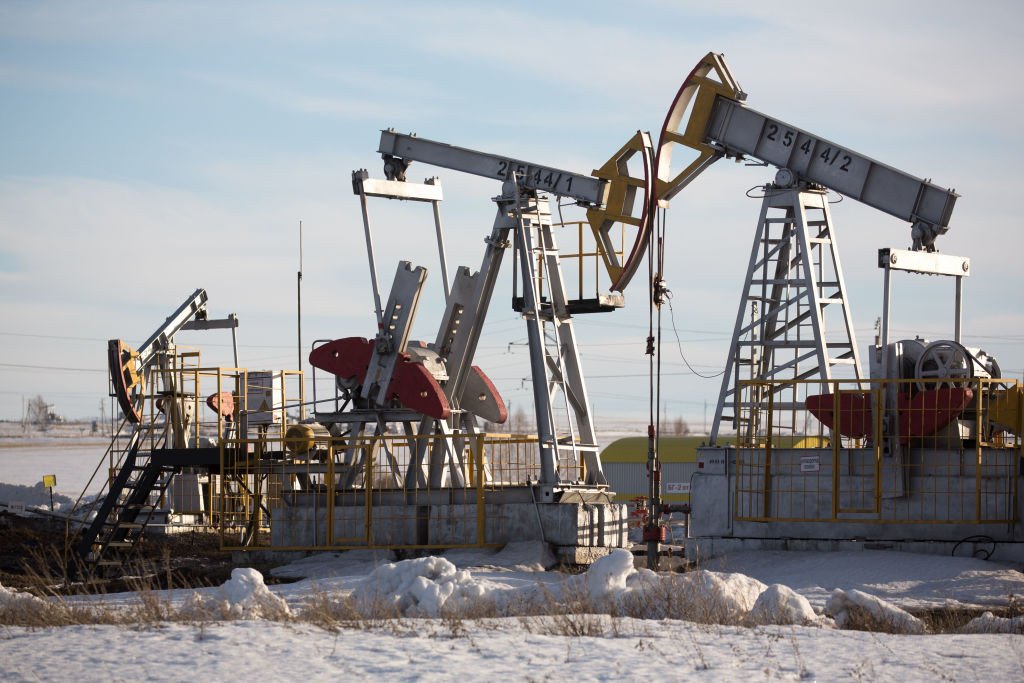
Russia has downgraded its oil production forecast for 2026 to a 17-year low, reflecting the escalating economic and infrastructural toll of the invasion of Ukraine, Reuters reported on September 1, citing a government draft forecast.
Moscow has reduced its crude production estimates for the 2026–2029 period by 16 million to 20 million tons compared to its previous May outlook.
We bring you stories from the ground. Your support keeps our team in the field.
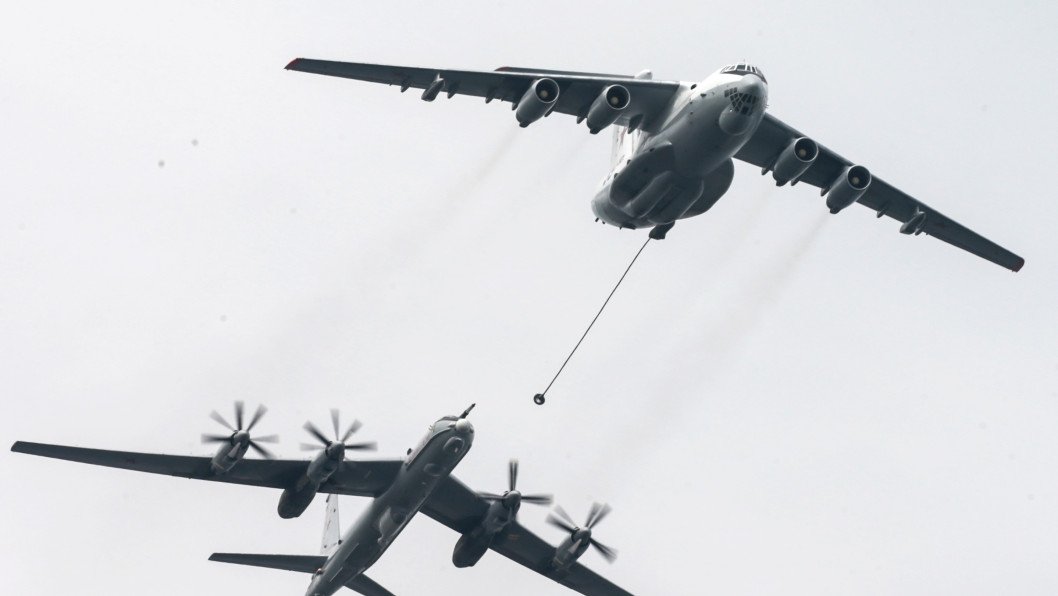
Following Ukrainian strikes on Russian oil refineries, Moscow even banned aviation fuel exports and began importing Jet A-1 fuel for its aircraft. Shadow fleet tankers recently delivered 70,000 metric tons of fuel from South Korea and Egypt to cover shortages for Russian warplanes and drones.
The internal projections, which are slated to be finalized in late September for federal budget drafting, highlight the compounding impact of Western sanctions and intensified Ukrainian drone strikes on the country’s energy sector.
In its base-case scenario, the Russian government expects domestic crude oil production to decline by 17.2 million metric tons this year, dropping to 494.2 million tons, or 9.88 million barrels per day, Reuters wrote. This marks the lowest output level for the world’s third-largest producer since 2009. While production is projected to slightly recover to 500 million tons in 2027, the draft indicates that output will remain suppressed below 2025 levels through at least 2029.
The downward revision follows severe disruptions to Russia’s domestic fuel supply chain. According to Reuters, sustained Ukrainian drone attacks on refineries—coupled with existing European Union import bans—have significantly bottlenecked fuel production, triggering widespread gasoline shortages across Russia.
Russian Deputy Prime Minister Alexander Novak publicly acknowledged the output drop earlier this year, though he attributed the decline to unplanned refinery maintenance rather than battlefield impacts.
To mitigate domestic shortages, Moscow has been forced to implement an export ban on diesel while restricting overseas sales of gasoline and jet fuel. As a result, the government forecast seen by Reuters projects total refined fuel exports will plunge by 27.3 million tons this year to just 98.5 million tons.

Conversely, the inability to process fuel domestically has forced an increase in raw crude exports, primarily bound for buyers in China and India. The draft forecast indicates crude exports will temporarily swell to 244.7 million tons this year before facing a sharp decline in subsequent years.
Ukrainian drones had recently struck Russia’s Ust-Luga port on the Baltic Sea, sparking a fire at the major energy resource export hub. The Leningrad region facility is a critical terminus for Russian crude oil and petroleum products, including shipments loaded onto Moscow’s shadow fleet tankers.
Discuss this article:
-4a56a6b482ec132402c16ef6fcabf9a2.png)



-111f0e5095e02c02446ffed57bfb0ab1.jpeg "Photo of Roman Kohanets")