- Category
- War in Ukraine
Ukraine’s Intel Hacks Russia’s Institute Behind Yars, Bulava, Iskander-M and Oreshnik Missiles
 Prefer U24 Media on Google
- Authors

-111f0e5095e02c02446ffed57bfb0ab1.jpeg "Photo of Roman Kohanets")
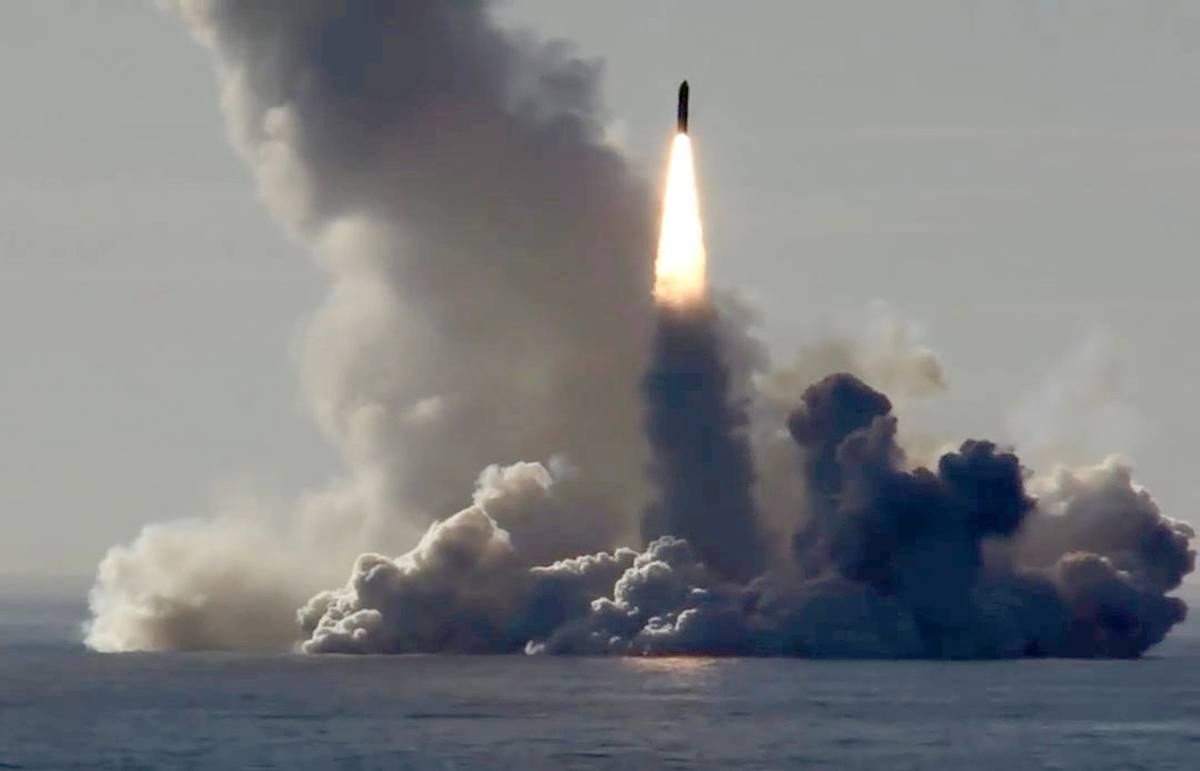
Ukraine’s Main Directorate of Intelligence (HUR) has breached the Moscow Institute of Thermal Technology (MIT), Russia's chief designer of intercontinental ballistic missiles, and identified 2,648 of its employees who it links to the killing of Ukrainians.
The operation was announced in a statement on HUR's official Telegram channel on September 9. The agency described a unique cyberspace operation inside Russia through which its specialists obtained an array of data on the corporation's structure, leadership, and current and prospective developments.
We bring you stories from the ground. Your support keeps our team in the field.
According to HUR, engineers at the institute's facilities in Moscow and other Russian regions produce the drawings, software, engines, and control units for several of Russia's core strategic systems:
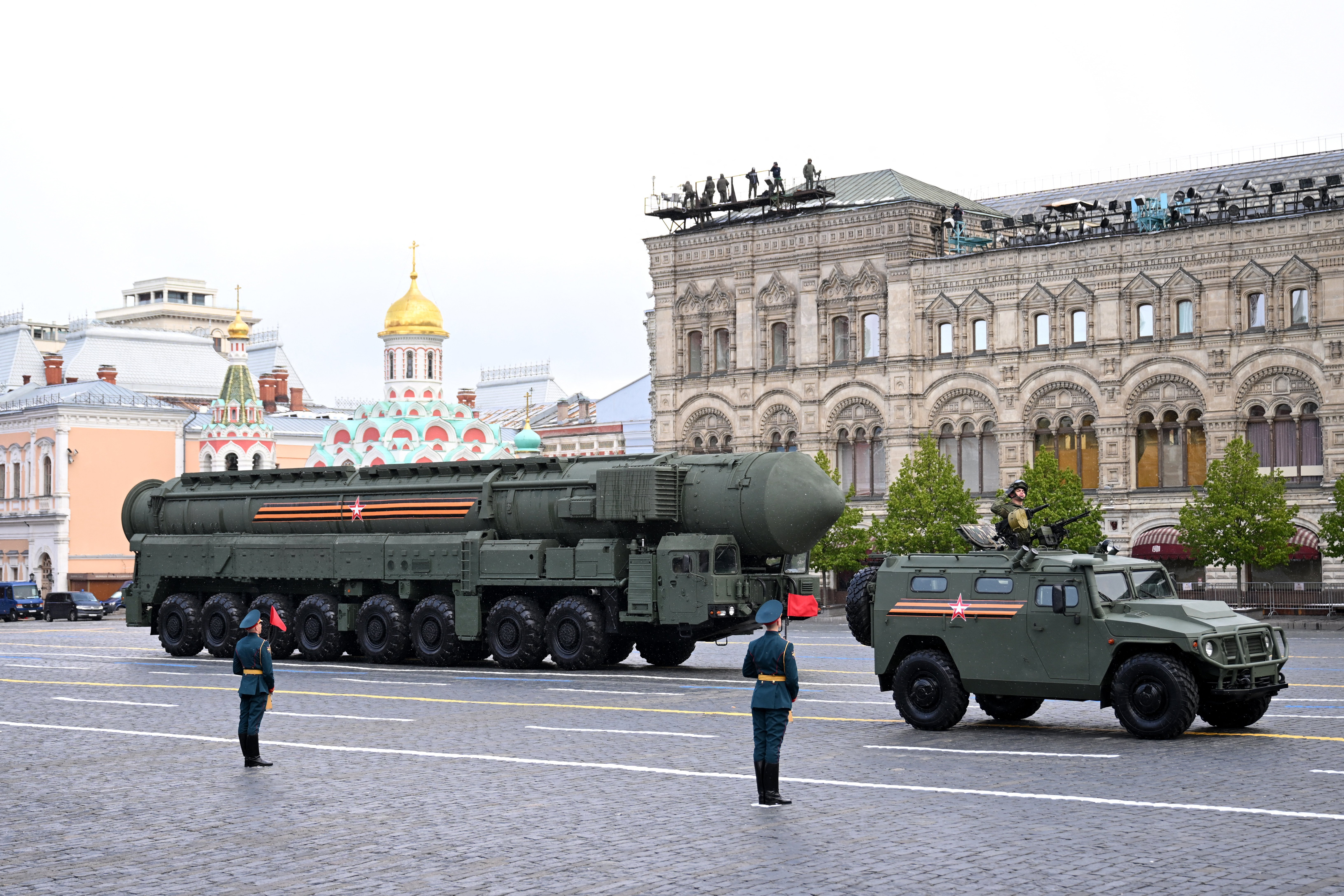
the Yars (RS-24) intercontinental ballistic missile, a central component of Russia's nuclear forces;
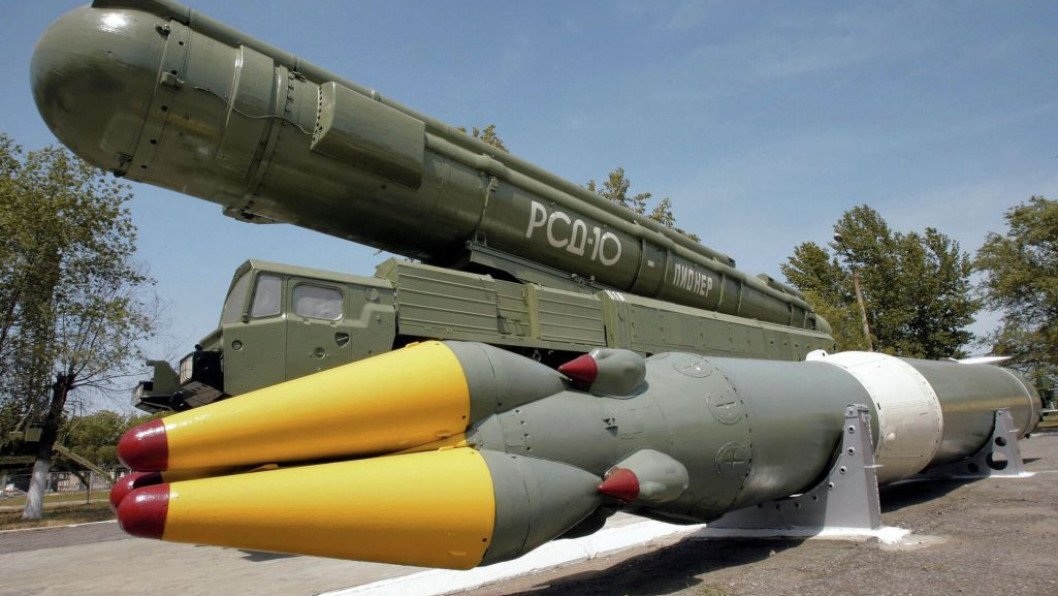
the mobile Topol-M (RT-2PM2) intercontinental missile system;
the Bulava (R-30), a three-stage missile designed for submarines;
the Iskander-M operational-tactical missile complex;
the Kedr, also known as the Oreshnik, Russia's newest hypersonic ballistic system.
")
An RS-24 Yars intercontinental ballistic missile system and a Tigr-M all-terrain infantry mobility vehicle drive on Red Square on May 9, 2024. (Source: Getty Images)
HUR added that the institute also develops satellite communications for the Russian army, including a system for rapidly deploying military satellites into low orbit to provide Russian forces with a resilient, protected command-and-control network.
The agency noted work on the Start-1M conversion launch vehicle, which could let Moscow deploy low-orbit satellite constellations for optical-electronic and radar reconnaissance, alongside a scalable space platform designated Typoryad.
The Moscow Institute of Thermal Technology is at the center of Russia's strategic missile industry, with subordinate enterprises including the Prozhektor design bureau, the Vympel machine-building plant, the Votkinsk Plant, and the Iskra enterprise.
Among the people identified, HUR named the corporation's director general, reserve Lieutenant General Sergey Ponomarev, along with his deputies Yuri Kirillov, Yuri Solomonov, Andrey Bashirov, Artyom Khrebin, and Sergey Solonichkin.
HUR stated that the material would be used to weaken Russia's capacity to wage its war against Ukraine and to hold those tied to war crimes accountable.
The corporation has surfaced before as the endpoint of sanctioned supply chains. Computer-controlled machine tools traced through Chinese intermediaries—including controllers built by Germany's Siemens and Heidenhain and Japan's Fanuc—reached the Moscow Institute of Thermal Technology despite export bans intended to deny Moscow access to the technology.
Roughly 70% of the CNC machines operating in Russia are imported, and as much as 80% of that equipment goes to the military.
The machinery has sharpened the accuracy and lethality of missiles such as the nuclear-capable Oreshnik, first fired at Ukraine on November 21, 2024.
Discuss this article:
-9a7b3a98ed5c506e0b77a6663f5727c5.png)


-c439b7bd9030ecf9d5a4287dc361ba31.jpg "Photo of Katherina Popilnichenko")



-29a1a43aba23f9bb779a1ac8b98d2121.jpeg "Photo of Illia Kabachynskyi")