- Category
- War in Ukraine
“We Didn’t Do Enough”: Pistorius on NATO, Russia, and Europe’s Defense Wake-Up Call
 Prefer U24 Media on Google
- Authors


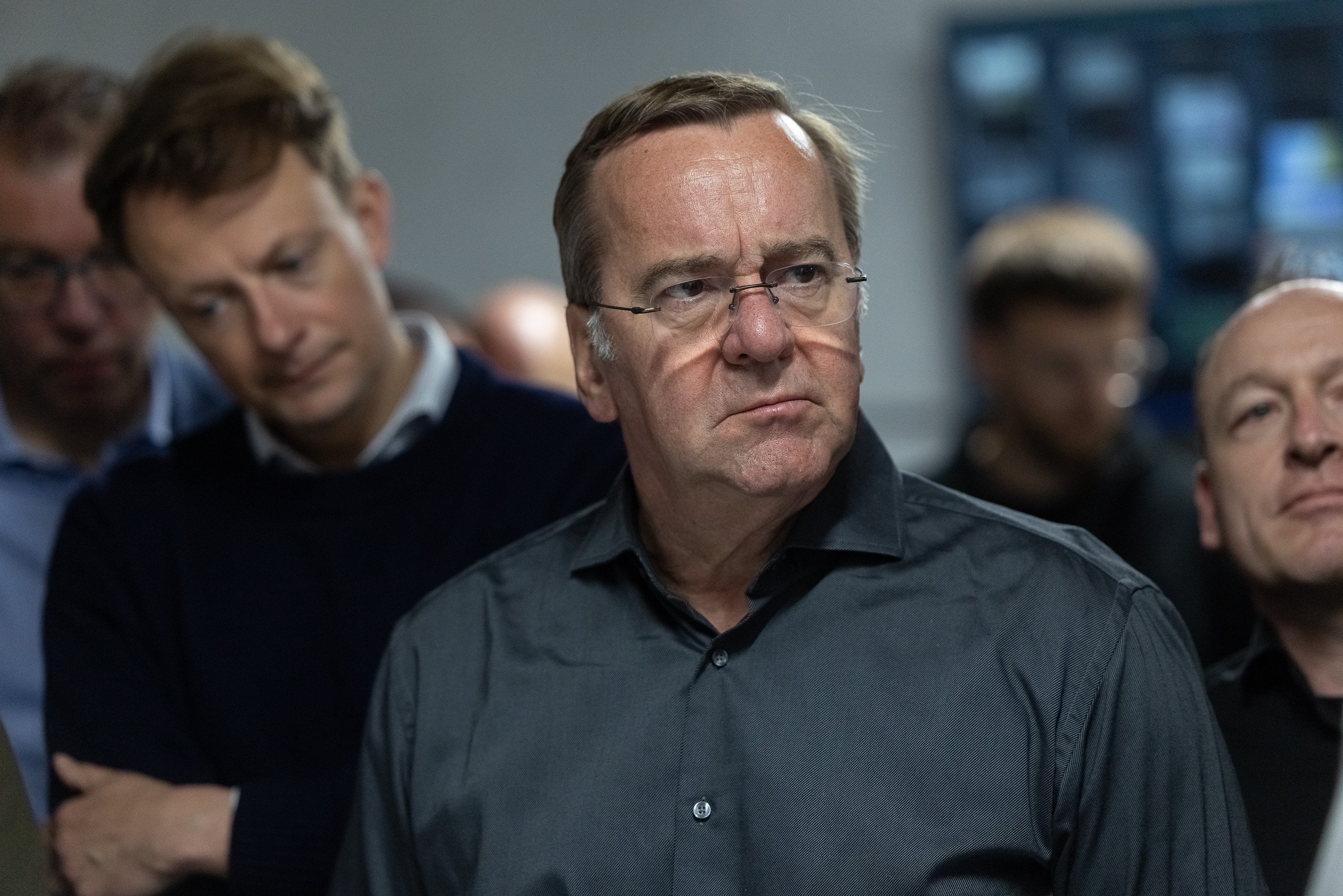
German Defense Minister Boris Pistorius has emphasized that NATO remains united and increasingly focused on strengthening deterrence capabilities, while acknowledging that Europe is still in a phase of rapid adjustment after years of underinvestment in defense.
Replying to the UNITED24 Media’s question whether Europe and NATO are doing enough to deter Russia and whether there is a clear strategy in place in the event of an attack on a NATO member state, Pistorius said the alliance’s strength ultimately depends on unity and political resolve.
We bring you stories from the ground. Your support keeps our team in the field.
We have Article 4, we have Article 5. We just used it once, more than 20 years ago. The main challenge will always be the unity and the determination of all NATO members. So there is no sign in any direction that it would not be like that.
Boris Pistorius
German Defense Minister
He added that NATO members in Europe are now focused on correcting long-standing shortfalls in defence spending and capabilities, pointing out that agreed targets had been missed for years.
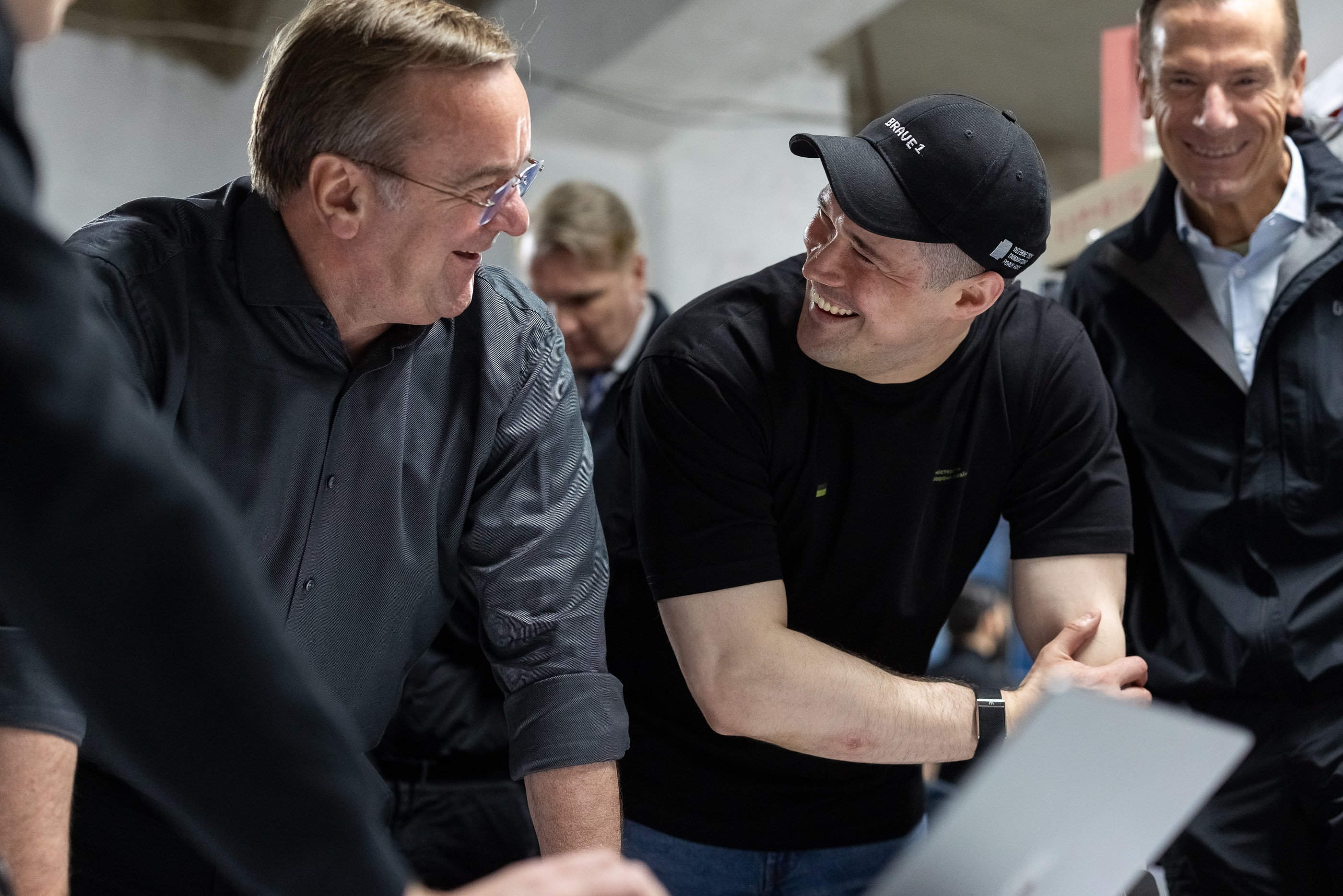
“But the main purpose and the main objective for all NATO members in Europe is to finally do what we have started now… because we didn’t do enough until 2023-2024. Although we agreed already in 2013 about spending 2% of GDP for defense, almost no country in NATO did,” the minster said.
“But now we speed it up, we speed up. Really, we do it. Germany will reach 3.5% for core defense already in three up to four years.”
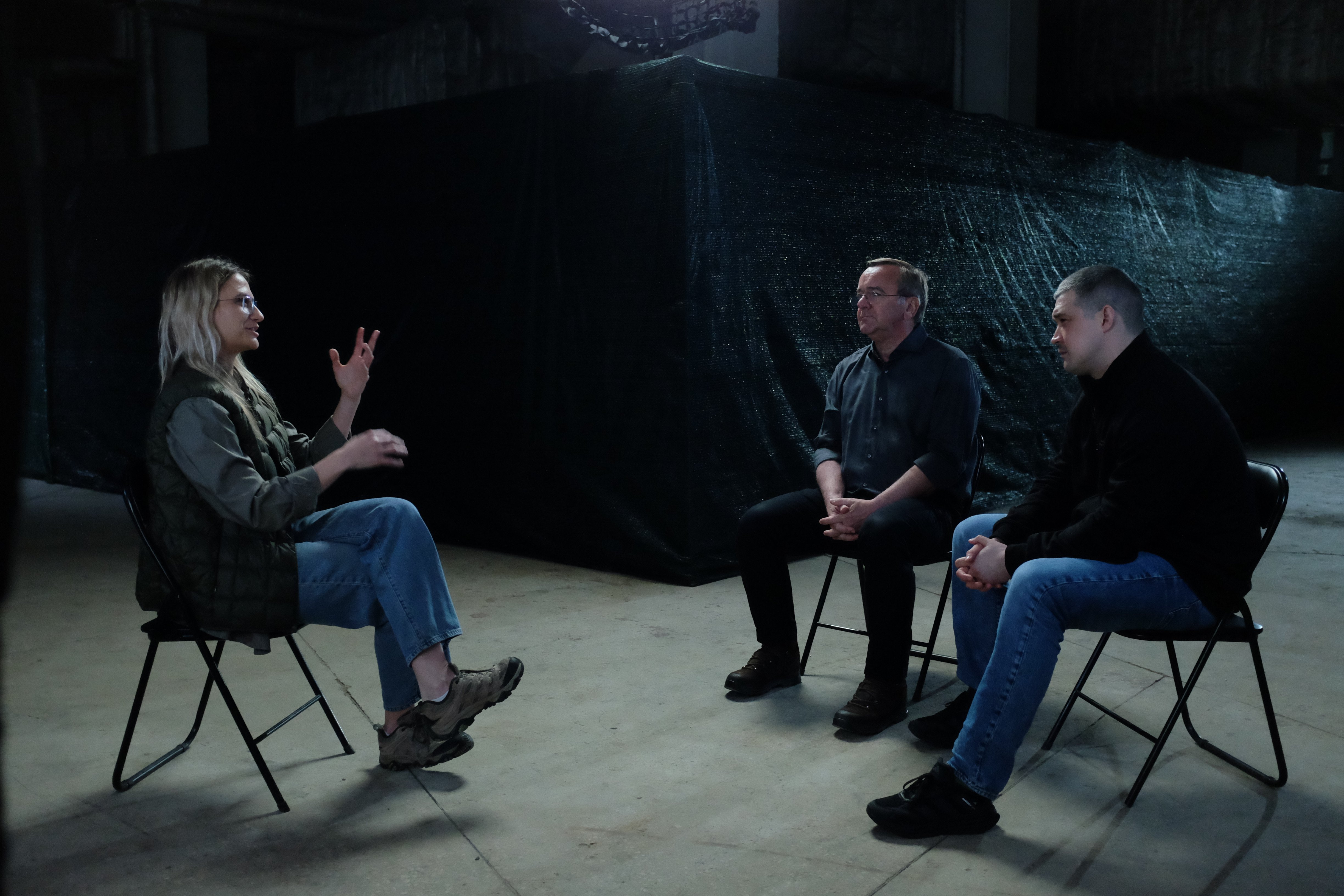
According to Pistorius, strengthening European defense is also essential for maintaining a credible transatlantic alliance.
“If we want to keep the United States as a reliable member of NATO, and the most important one with regard to the nuclear weapons, as a reliable partner in NATO, we need to become more European as NATO in order to be able to remain transatlantic,” he said.
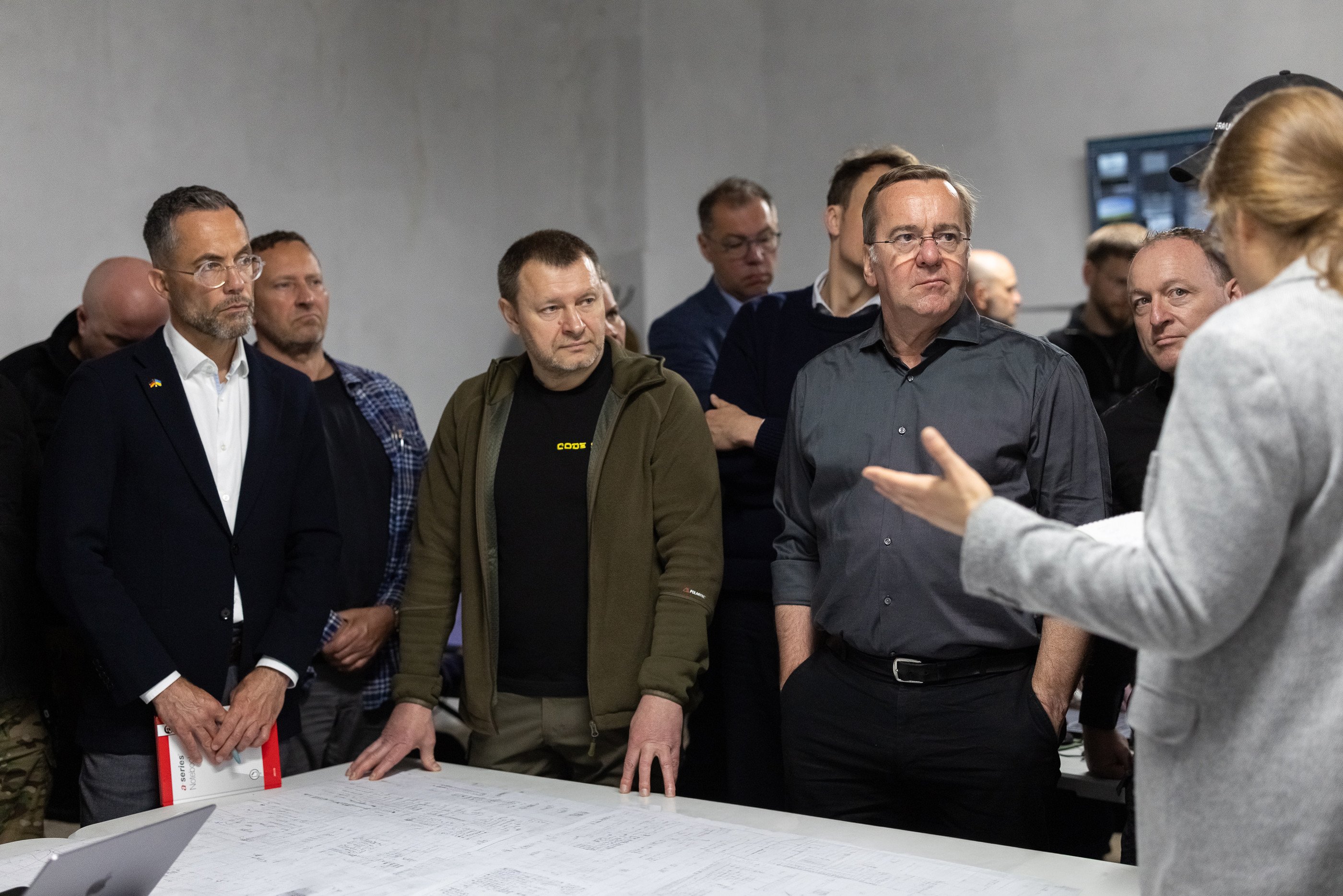
He added that the process involves increased defense spending, clearer strategic planning, and stronger political determination across Europe, noting that it also includes greater engagement in deterrence and defense, enhanced clarity on strategic issues, and sustained efforts over the past three years.
Pistorius noted that significant progress had been made during this period and emphasized that Germany is among the leading countries both in European defense efforts and in support for Ukraine, describing these roles as mutually reinforcing.
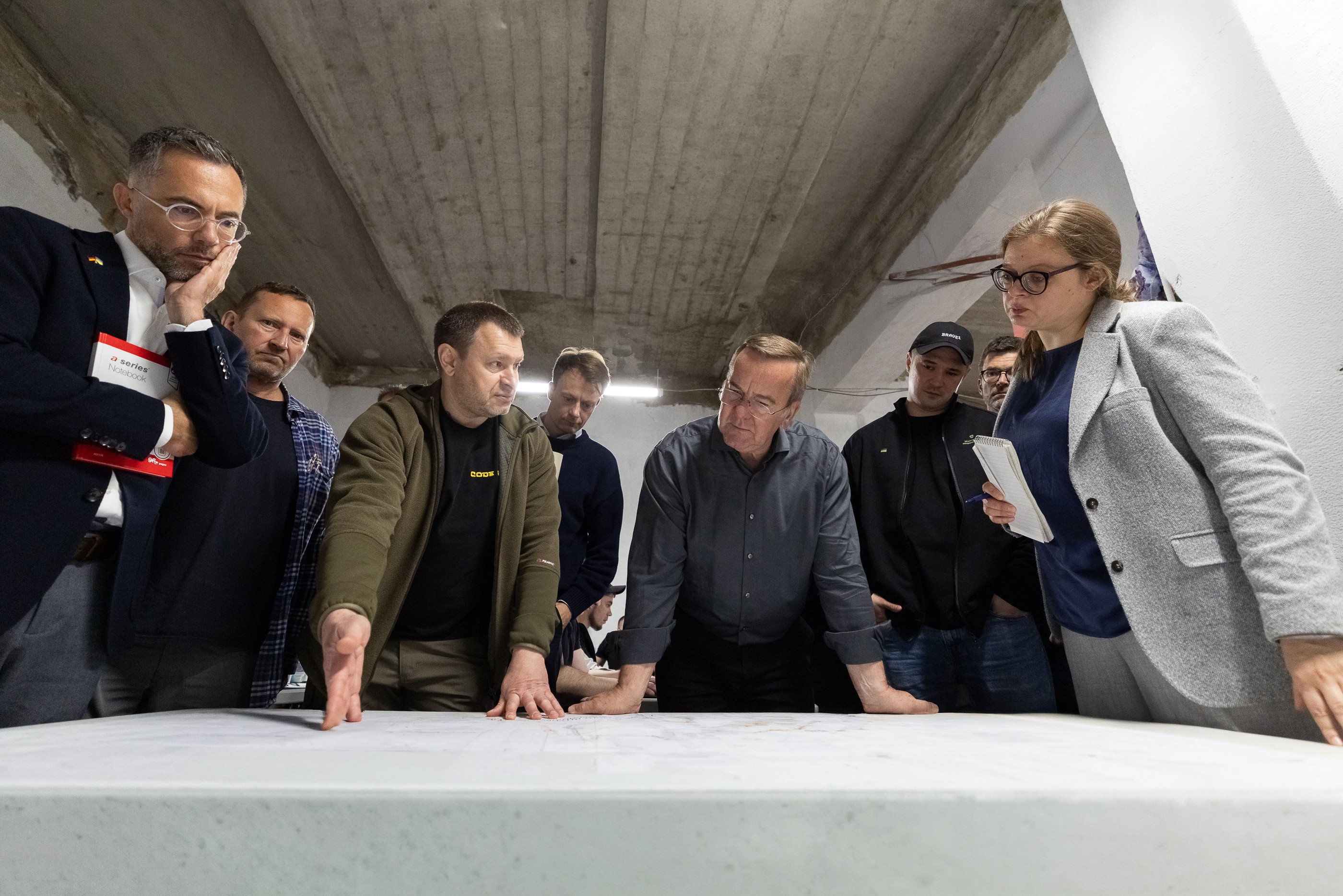
The minister also stressed Germany’s historical responsibility and the need to balance it with current security challenges.
I’m very glad and proud of my country and the people in Germany, for they are so sensible in questions of war and military because of our history. But at the same time, we have a responsibility for the people who are living now and the following generations when it comes to security and when it comes to the threats being posed by Russia.
Boris Pistorius
German Defense Minister
Earlier, Boris Pistorius has identified key sectors where Germany is integrating lessons from Ukrainian battlefield innovations to foster deeper cooperation.
He highlighted critical advancements in artificial intelligence, electronic warfare, and counter-drone systems, as well as the joint development of sophisticated missile technologies.
Discuss this article:


-29a1a43aba23f9bb779a1ac8b98d2121.jpeg "Photo of Illia Kabachynskyi")
-72b63a4e0c8c475ad81fe3eed3f63729.jpeg "Photo of Cyril Barabaltchouk")
-37d0c4e589b794d453938c254fb3d00d.png "Comoros-flagged tanker KHORYV, Dnipro city, Ukraine, 2021.")