- Category
- War in Ukraine
Who Is Yevhenii Khmara, Ukraine’s New Defense Minister, and What Is His Plan?
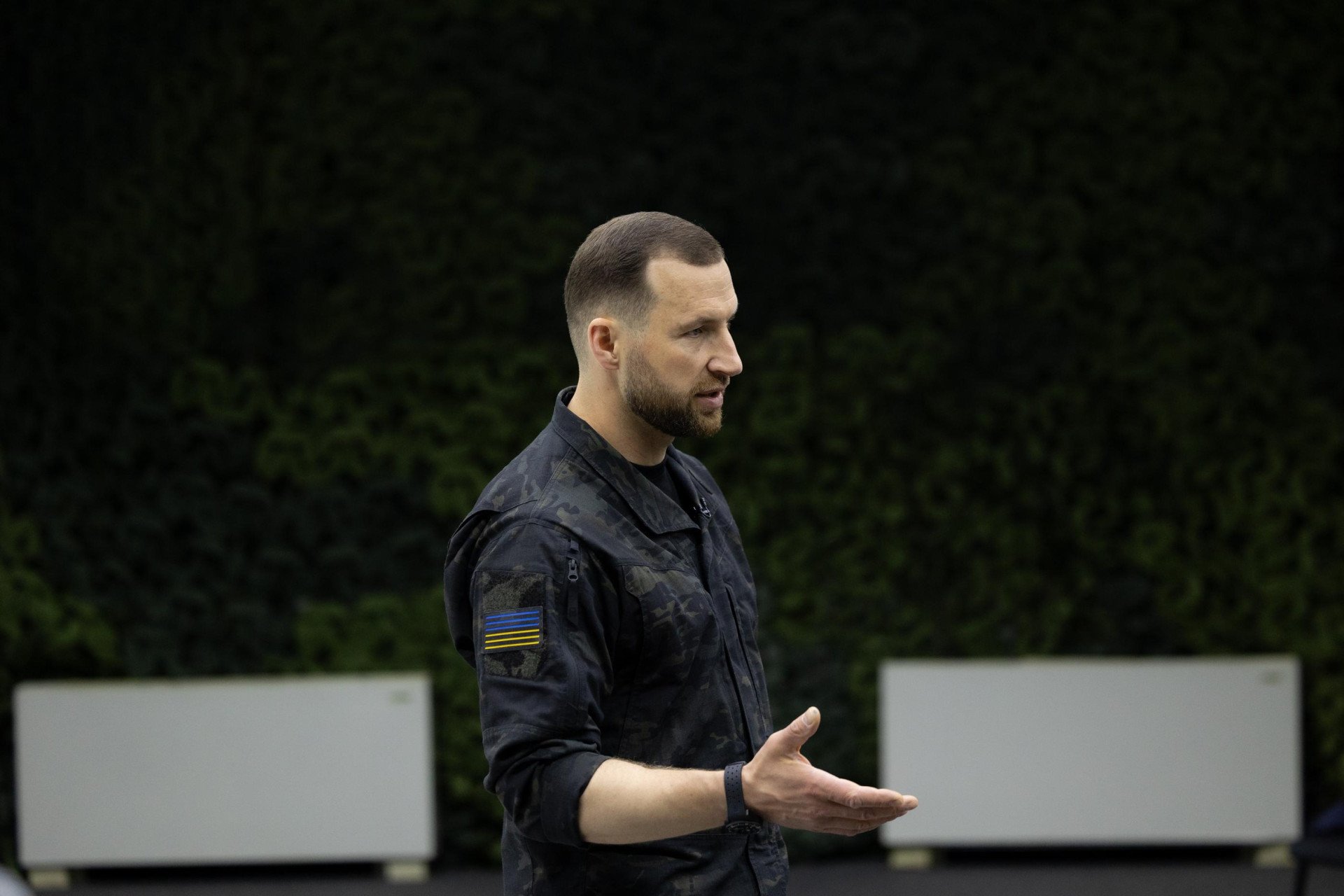
“This war is existential.” For Yevhenii Khmara, Ukraine’s new defense minister and a special operations veteran, that conviction shapes how he plans to fight Russia.
 Prefer U24 Media on Google
- Authors

-29a1a43aba23f9bb779a1ac8b98d2121.jpeg "Photo of Illia Kabachynskyi")
Ukraine’s parliament appointed Yevhenii Khmara as defense minister with 312 votes in the second half of August 2026. After years of military service and combat experience, he took charge of the country’s key ministry during wartime.
On August 29, Khmara gave journalists a detailed account of his vision for the ministry—from his team and procurement principles to his view of the war and his plan for closing the defense funding gap.
What principles will guide Khmara at the Defense Ministry, and how will his own experience shape his approach?
Military career and combat experience
Khmara’s biography contains relatively few publicly available details, largely due to the nature of his work and his involvement in a number of complex missions in which security considerations are paramount.
What is known is that Khmara received specialized education at institutions within Ukraine’s security and defense system. He has devoted his entire career to defending Ukraine—and that remains the experience that defines him.
Khmara joined Ukraine’s Security Service’s Alpha Special Operations Center in 2011 and became its commander in 2023. At the outset of Russia’s full-scale invasion, he fought in the operation to liberate the Kyiv region.
Notably, the SBU’s Alpha Special Operations Center has been one of Ukraine’s most effective units in employing deep-strike systems against targets inside Russia and has carried out numerous successful missions. Khmara holds the rank of major general and has extensive combat experience.
In early 2026, he became acting head of the SBU following the resignation of Vasyl Maliuk. He subsequently took over as defense minister.
How Yevhenii Khmara sees Ukraine’s fight against Russia
Several days after his appointment, Khmara met with journalists from Ukrainian and international media outlets, immediately signaling his intention to establish clear and consistent communication from the ministry. Among other things, he explained how he views the war itself:
“Russia is not interested in Donetsk or Luhansk alone,” Khmara said. “Its goal is all of Ukraine, and for Ukraine, this war is existential. Putin sees it as part of restoring the empire, and he interprets any concessions from Ukraine not as a step toward peace, but as confirmation that pressure works.”
Only the realization that he is losing the war can stop Putin, Khmara added—and that can only be achieved through force. That force is the Ukrainian military.
UNITED24 Media breaks down the key points of how Ukraine’s new defense minister intends to approach the job.
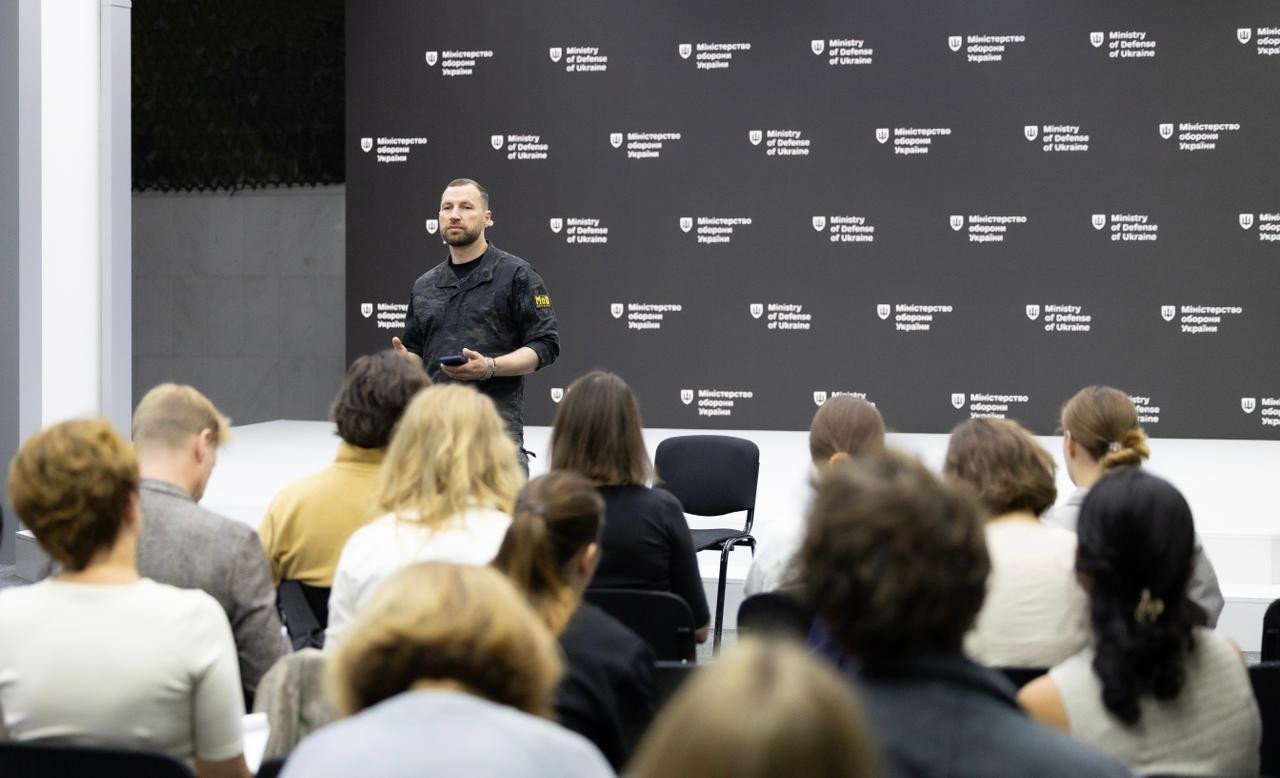
Khmara’s priorities as Ukraine’s Defense Minister
The team
Khmara’s management philosophy centers on a single system rather than separate fronts. In wartime, there are no isolated areas of responsibility: the front line, the Defense Ministry’s work, decisions by the Ukrainian Parliament, public support, the capabilities of Ukraine’s defense industry, and assistance from international partners must all function as one system.
Khmara began by making clear that he is fully aligned with Commander-in-Chief Mykhailo Drapatyi and plans to work in close coordination with him, ensuring that the Defense Ministry and General Staff complement each other.
Procurement is one example. Decisions should be driven by the commander-in-chief’s assessment of specific requirements for ammunition, drones, artillery, and other capabilities.
For now, one priority is preserving the ministry’s existing team. Khmara says the ministry has strong professionals with both the necessary expertise and a commitment to the state. Their task is to ensure continuity while strengthening areas that require additional attention. Deputy ministers who served under the previous leadership will remain in their positions.
Longtime defense official Serhii Boiev is returning to the team at Khmara’s personal initiative. His experience is important for working with international partners, the minister said.
The team will continue to expand, with several appointments already agreed upon. Mykola Shvydkyi has become deputy defense minister and will be responsible for matters related to the front. Liubov Halan will oversee the development and retention of human capital across the Defense Forces, while Hanna Hvozdiar will join the team to work on the defense industry and exports.
The ministry is separately recruiting officials for digital transformation—including a candidate with both combat experience and prior service at the Defense Ministry—and for cognitive warfare.
Particular attention will be paid to ensuring that voices from lower levels are heard: requests from the front and initiatives from field commanders should quickly reach decision-makers, as those serving on the ground have the clearest sense of what needs to change.
Human capital and deep strikes
The overarching objective is to regain the initiative on the battlefield across every domain: land, air, sea, the information environment, and cyberspace, while taking the war onto Russian territory.
Khmara’s approach is that Ukraine should not respond to Russia's mobilization of additional personnel by simply concluding it must do the same.
“The response to the enemy’s actions should not be to increase the size of the military, but to maintain the minimum personnel necessary while providing them with the highest-quality equipment possible, allowing them to carry out missions more effectively and with fewer casualties,” he said.
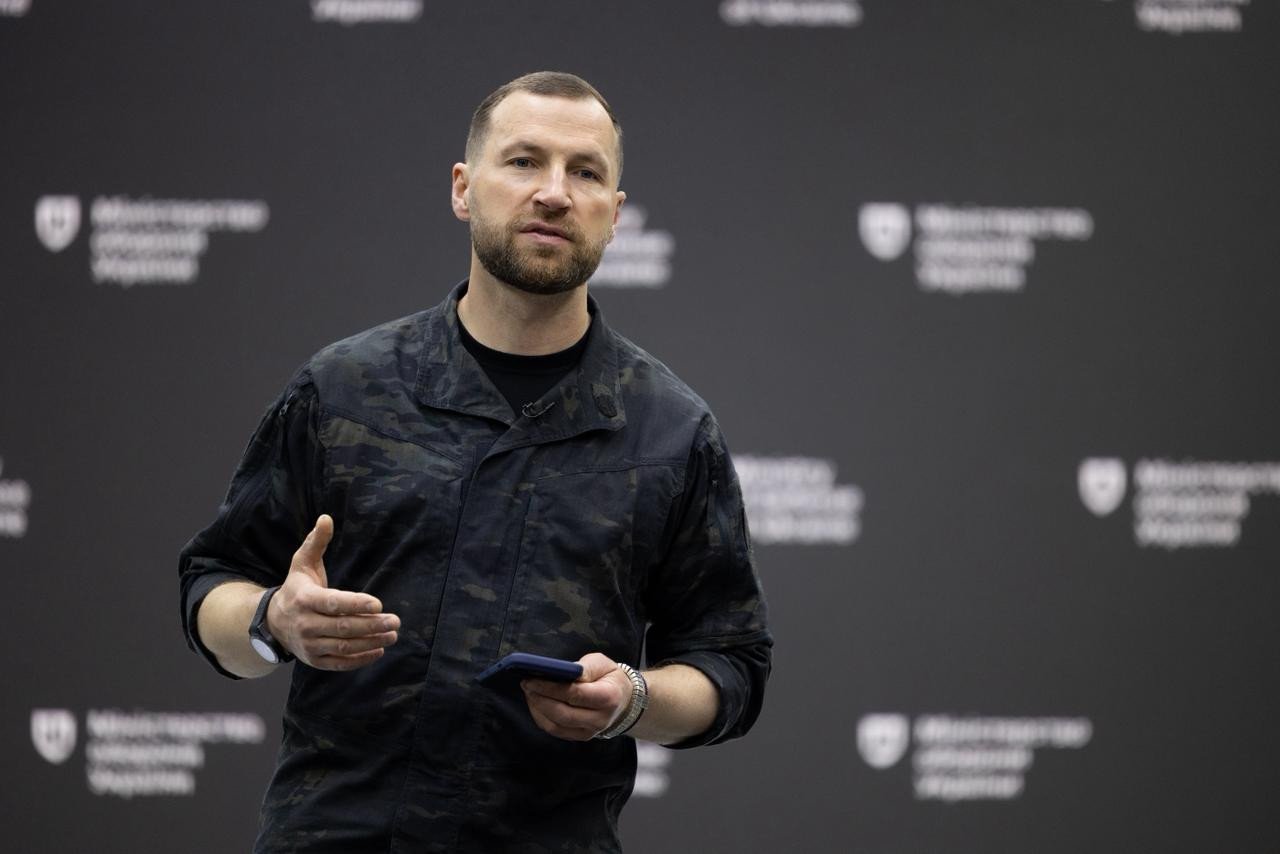
Khmara identifies human capital as one of his most important priorities: developing and retaining personnel within the Defense Forces, ensuring service members are treated with dignity, and increasing commanders’ responsibility—not merely for recruiting soldiers, but for their entire journey through the military, including training, equipment, combat experience, and integration into their units.
Another major focus is Deep and Middle Strike drones. Strikes against Russia should produce an economic impact, degrade Moscow’s defense-industrial capabilities, and generate a cognitive effect.
“To operate effectively at operational depth, Ukraine needs to systematically take out the radars, air defense systems, and electronic warfare capabilities protecting Russia’s strategic depth,” Khmara added, drawing on his own experience at the SBU.
Another major challenge facing Ukraine is a $27 billion funding gap in defense. Khmara believes only Ukraine’s partners can close the gap.
The plan is to bring forward part of the European financing currently scheduled for next year and hold separate talks with partners that have not yet joined the financing framework or could increase their contributions. Those discussions would center on specific, clearly defined defense requirements, projects, and timelines.
Discuss this article:


-111f0e5095e02c02446ffed57bfb0ab1.jpeg "Photo of Roman Kohanets")