- Category
- World
$300 Billion Fund Emerges as Centerpiece of US-Iran Peace Deal
 Prefer U24 Media on Google
- Authors

-72b63a4e0c8c475ad81fe3eed3f63729.jpeg "Photo of Cyril Barabaltchouk")
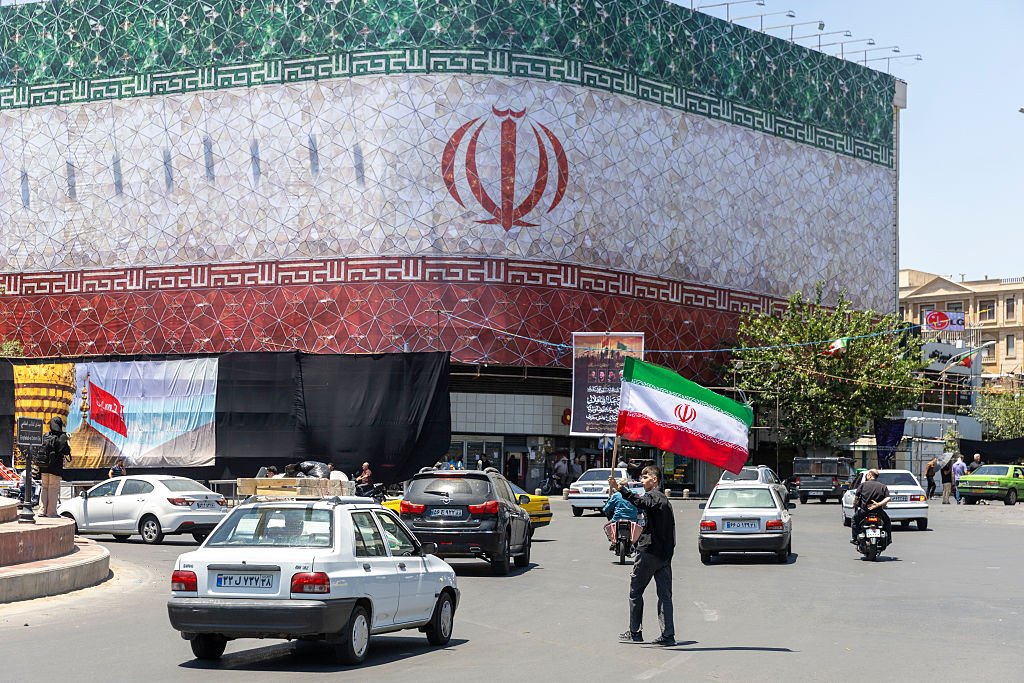
A proposed $300 billion private investment fund aimed at supporting a future US-Iran peace agreement has been included in a bilateral framework deal, with more than half of the funding already pledged, Reuters reported on June 17.
The vehicle, comprised entirely of private-sector capital, aims to provide an economic baseline for both nations as Washington and Tehran prepare to sign a memorandum of understanding on June 19.
We bring you stories from the ground. Your support keeps our team in the field.
The fund’s structure emerged after Washington rejected Tehran’s initial demand for $400 billion in direct war compensation. Instead, the proposed Reconstruction and Development Fund will utilize non-governmental financing from corporations based in the US, the Gulf Arab states, Asia, South America, and Africa. Pledged investments span major industrial sectors including energy, logistics, manufacturing, and transport, according to Reuters.
Speaking on the sidelines of the G7 Summit in France, US President Donald Trump explicitly distanced the American government from direct financial involvement. “We’re not investing, we’re not putting up 10 cents,” Trump stated, adding that the resumption of capital inflows would depend strictly on future Iranian behavior. Reuters notes that this followed earlier comments from Vice President JD Vance, who noted that Iran’s access to regional reconstruction capital remains conditional on dismantling its nuclear program, eliminating its enriched material stockpile, and accepting a stringent international inspection regime.
-2929cf4b37e837e32deeda7622caddbe.jpg)
The financial mechanism remains entirely separate from parallel diplomatic tracks regarding the lifting of US sanctions and the release of frozen Iranian sovereign assets abroad. The fund will not become operational until a final, comprehensive peace agreement is formally concluded, Reuters reported.
The signing of the memorandum on Friday will initiate a 60-day window for fund administrators, international investors, and Iranian officials to structure and scope specific infrastructure projects, including the reconstruction of regional transport hubs, refineries, and the Mobarakeh Steel complex.
This financial mechanism follows a larger geopolitical tradeoff outlined at a recent G7 summit. Trump had explicitly linked US support for Ukraine to European commitments regarding the Iran war. Under the emerging framework, the White House is prepared to increase economic pressure on Russia and reimpose sanctions on its oil sector, provided that European allies deliver material backing for the upcoming Iran ceasefire agreement, including deploying mine-clearing vessels to secure the strategic Strait of Hormuz.
Discuss this article:
-9a7b3a98ed5c506e0b77a6663f5727c5.png)