- Category
- World
Azerbaijan’s New Cybersecurity Agency Targets Rising Russian and Iranian Digital Threats
 Prefer U24 Media on Google
- Authors

-111f0e5095e02c02446ffed57bfb0ab1.jpeg "Photo of Roman Kohanets")
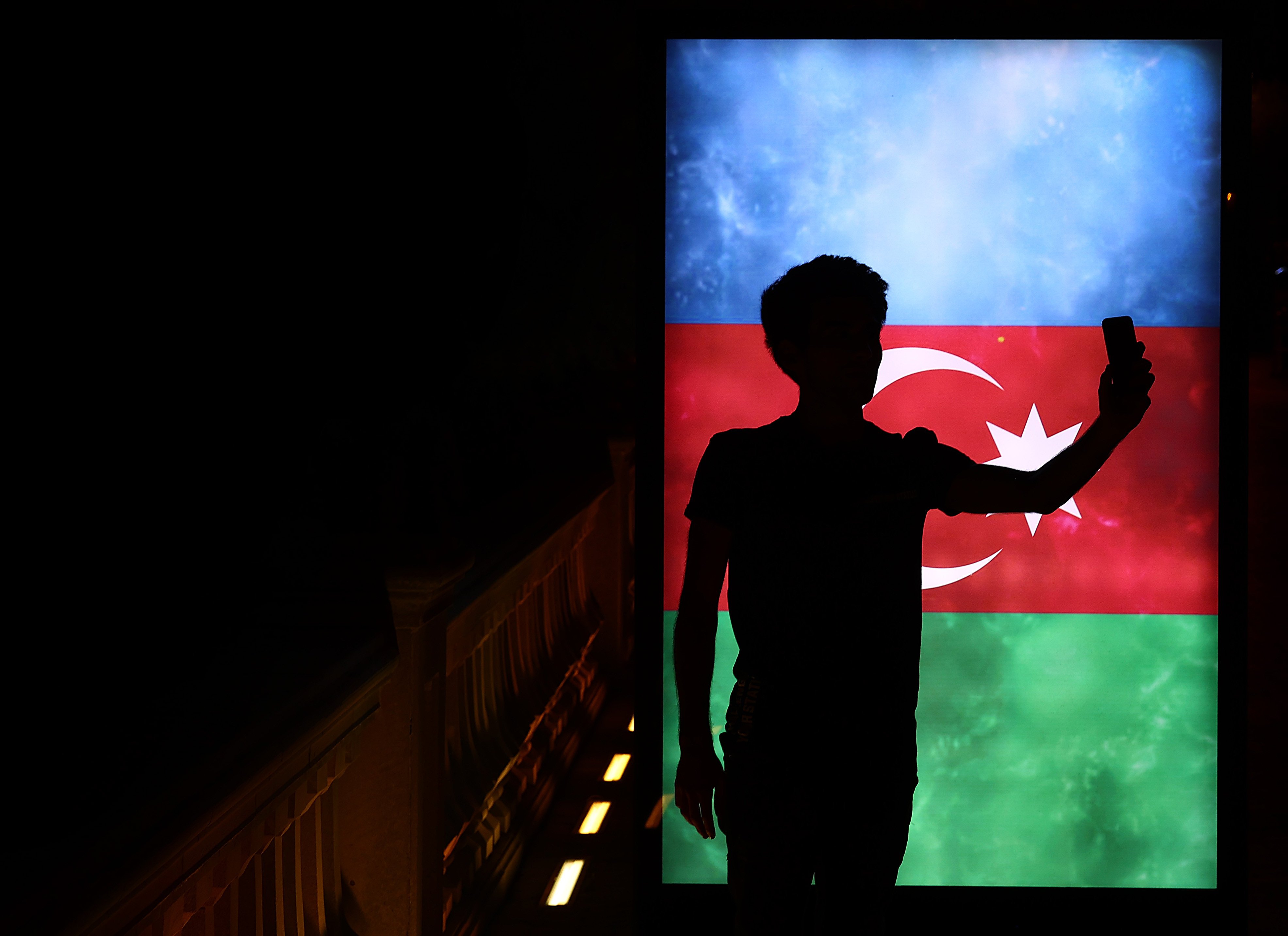
Azerbaijani President Ilham Aliyev has signed a decree creating a National Cybersecurity Agency to shield the country from rising digital threats, including hacking of Russian and Iranian origin.
This was reported by Ukraine's Foreign Intelligence Service (SZRU) on its official website on June 14.
We bring you stories from the ground. Your support keeps our team in the field.
The agency centralizes protection of Azerbaijan's critical information infrastructure, state digital services, data centers, and media space, hardening the state on Russia's periphery against escalating hybrid attacks.
The decree follows a major cyberattack in February 2025 that struck Azerbaijani media outlets. Rauf Namazov, who heads the country's interim parliamentary commission on countering foreign interference and hybrid threats, tied the assault to the Russian group APT29.
The group is also tracked as Cozy Bear, Midnight Blizzard, and The Dukes. By his assessment, Moscow launched the attack to retaliate for Baku's decision to close the Russian House cultural center and shut down the local Sputnik bureau.

The new body was formed on the basis of the Electronic Security Service and placed under the Ministry of Digital Development and Transport. Its remit covers monitoring cyber threats, protecting data centers and critical information infrastructure, supporting the rollout of artificial intelligence, and drafting the country's cybersecurity legislation.
Azerbaijan is also expanding its technology partnership with the US. On June 2, the capital hosted the first Azerbaijani-American Economic Dialogue during Baku Energy Week.
The two sides set priorities spanning energy, investment, regional connectivity, artificial intelligence, and digital infrastructure. The American delegation's visit produced commercial agreements worth more than $8 billion.
Russian-linked cyber operations have struck repeatedly across Europe in recent months. In late May, Dutch authorities seized roughly 800 servers from two hosting firms tied to a pro-Russian network.

The network has been blamed for disruptive attacks on European government bodies, including a wave against Danish institutions. Dutch military intelligence has identified Russia as the most immediate threat to European stability, warning that Moscow is using artificial intelligence to automate and intensify its cyberattacks.
This pressure extends well beyond hacking. A cache of internal Kremlin documents leaked in May exposed a Russian influence network running coordinated sabotage, disinformation, and election-interference campaigns across Europe and neighboring regions.
The operations were reportedly overseen by Russia's Presidential Administration and carried out with a Moscow PR firm already under Western sanctions for Kremlin-linked influence activity.
Discuss this article:



-c439b7bd9030ecf9d5a4287dc361ba31.jpg "Photo of Katherina Popilnichenko")


-a1738cb523135070a26ed61c09a8eb5e.jpg "Police stand in front of the Russisches Haus in Berlin, Germany. (Source: Getty Images)")
-72b63a4e0c8c475ad81fe3eed3f63729.jpeg "Photo of Cyril Barabaltchouk")