- Category
- World
EU Targets Russian Military Aviation With Ban on Rubber Used in Aircraft Tyres
 Prefer U24 Media on Google
- Authors


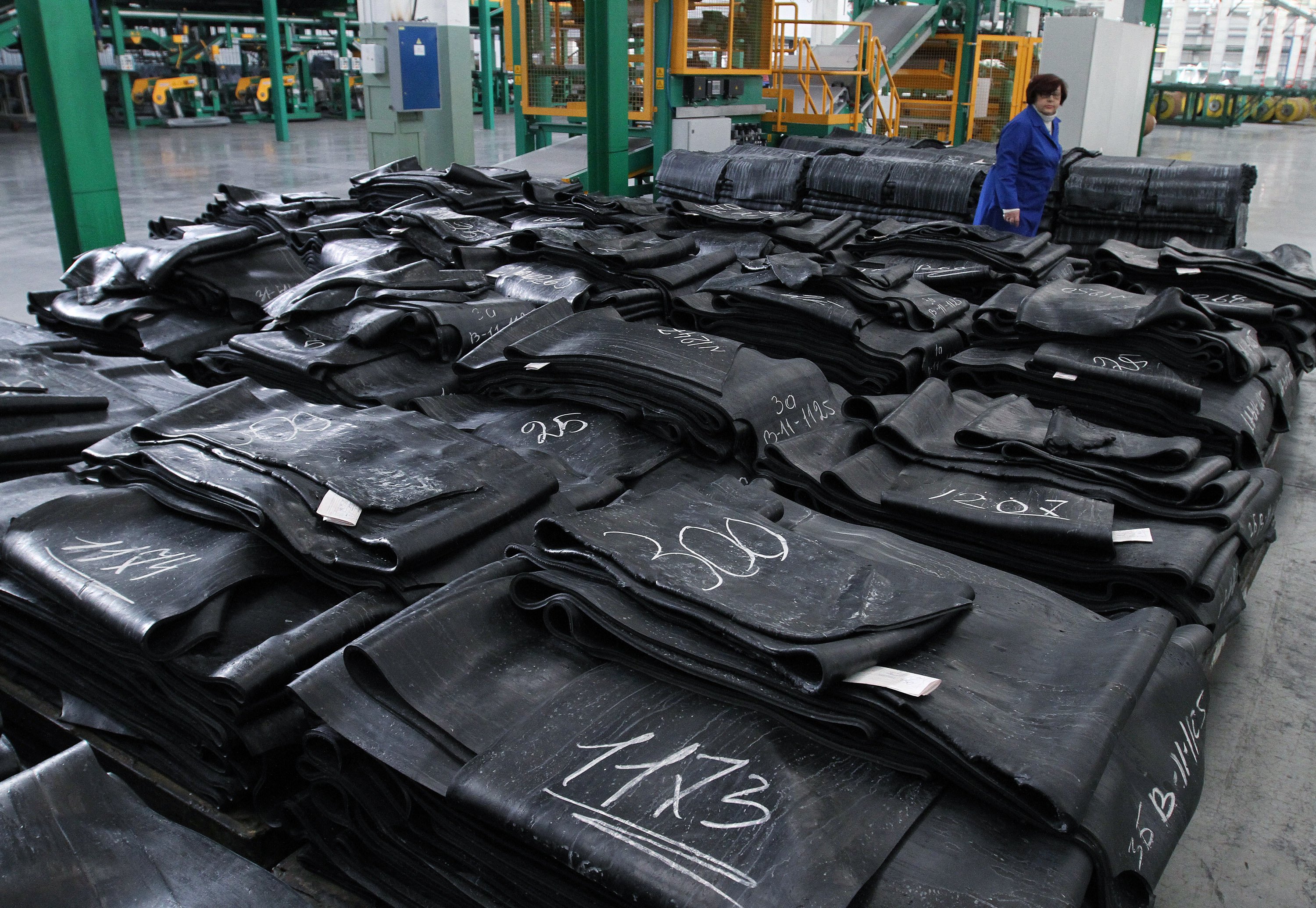
The European Union has expanded its sanctions regime against Russia by adding rubber and vulcanized rubber products to its 20th package of restrictive measures, aiming to curb the production of aircraft tires used in Russia’s military aviation.
The new restrictions cover both raw materials and finished goods essential to the manufacturing of combat aircraft components.
We bring you stories from the ground. Your support keeps our team in the field.
This was announced by Vladyslav Vlasiuk, Ukraine’s presidential commissioner for sanctions policy in a comment to Militarnyi on May 5.
Vlasiuk said the decision followed detailed analytical work by the Ukrainian side.
Russia remains heavily dependent on imports of natural rubber, a key material required for high-load aviation tires. Despite previous sanctions, this segment had partially escaped restrictions, enabling Moscow to support its military-industrial complex.
Data cited by Ukrainian officials show that in 2024, Russia imported more than $5.8 million worth of rubber from EU countries, with natural rubber accounting for over half of that volume, according to Militarnyi.
Among the recipients of European supplies were companies such as Ikon Tyres and Logistics Park Yanino. Ikon Tyres is a former subsidiary of Nokian Tires, which was transferred to the control of Tatneft in March 2023.
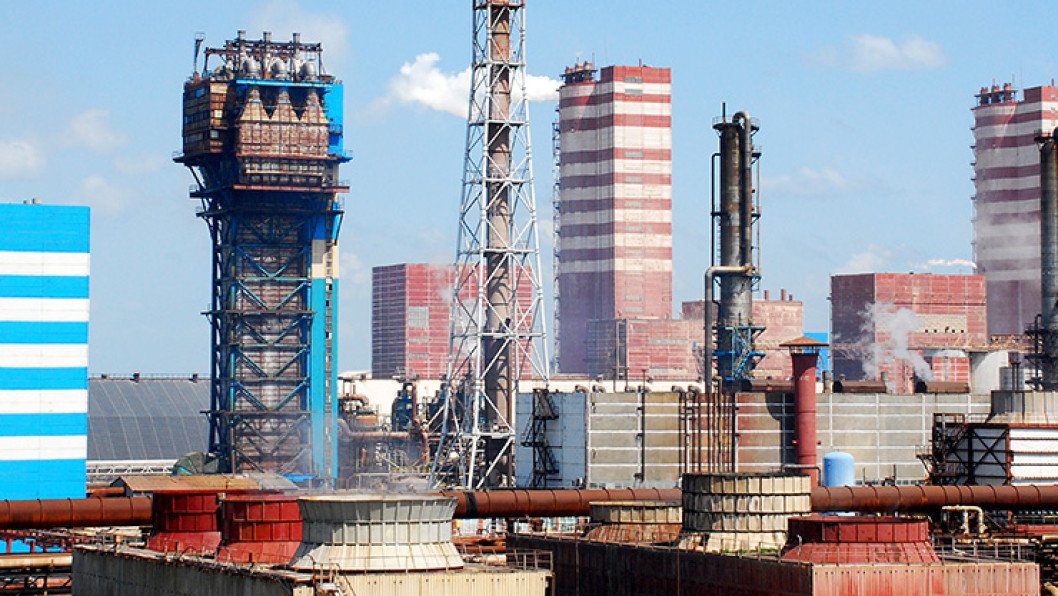
Another importer, Cordiant, maintains direct links to Russia’s defense sector and supplies products for the needs of the Russian Ministry of Defense.
Sanctions on synthetic rubber had already been introduced by the EU, but enforcement gaps persisted. In 2024, the material continued to reach Russia through third countries, exposing systemic weaknesses in the existing control mechanisms.
Russia has attempted to reduce its reliance on imports by pursuing plans to replace up to 80% of natural rubber with synthetic alternatives. However, industry experts acknowledge that a full substitution is not feasible due to the unique physical properties of natural rubber, which remain critical for aviation applications.
The strategic importance of rubber production facilities has also been highlighted by recent developments inside Russia. In late December 2025, strike drones targeted a synthetic rubber plant in the city of Efremov, igniting a fire at the industrial site.
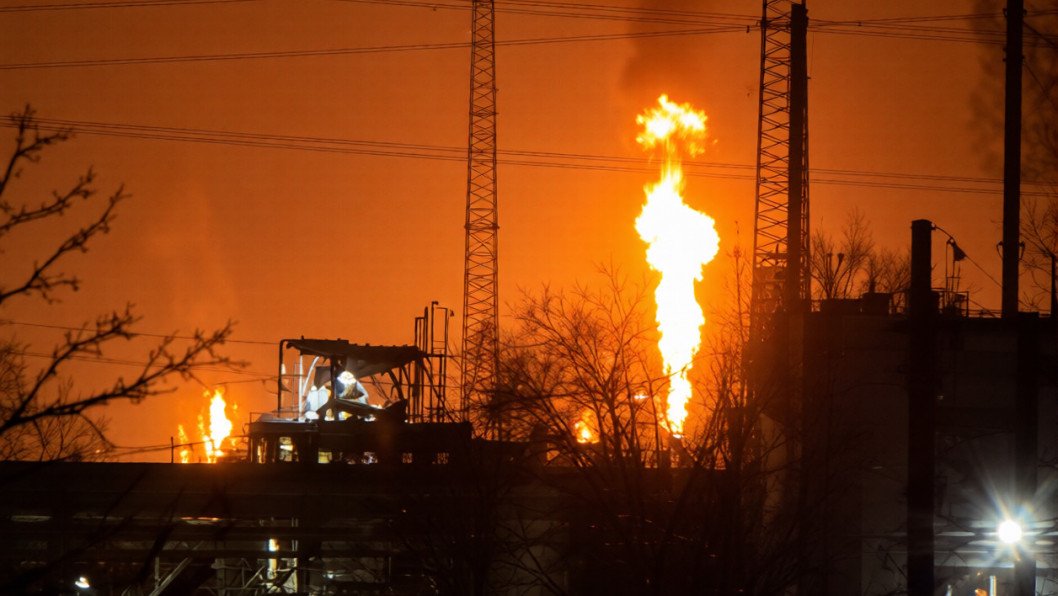
Footage circulated by the OSINT community Exilenova+ showed flames and thick smoke rising from the facility, while separate videos captured emergency crews rushing to the scene overnight.
According to reports, multiple explosions were heard shortly after 3 a.m. local time before a large-scale fire broke out. The governor of Tula, located in Central-Western Russia, Dmitry Milyaev later confirmed that a fire had occurred at an industrial site, adding that it was subsequently contained, though he did not specify the facility involved.
At the same time, in mid-April, long-range drones targeted a major petrochemical hub in the city of Sterlitamak, according to the OSINT community Exilenova+. Several drones reportedly hit the facility in the morning hours.
The intended targets are believed to include either Sintez-Kauchuk or the nearby Sterlitamak Petrochemical Plant—both critical components of the region’s petrochemical sector and involved in the production of materials used across Russia’s industrial supply chains.
Discuss this article:



-c439b7bd9030ecf9d5a4287dc361ba31.jpg "Photo of Katherina Popilnichenko")