- Category
- World
Leaked Documents Reveal Covert Russian Missile Technology Transfer to Iran
 Prefer U24 Media on Google
- Authors

-72b63a4e0c8c475ad81fe3eed3f63729.jpeg "Photo of Cyril Barabaltchouk")
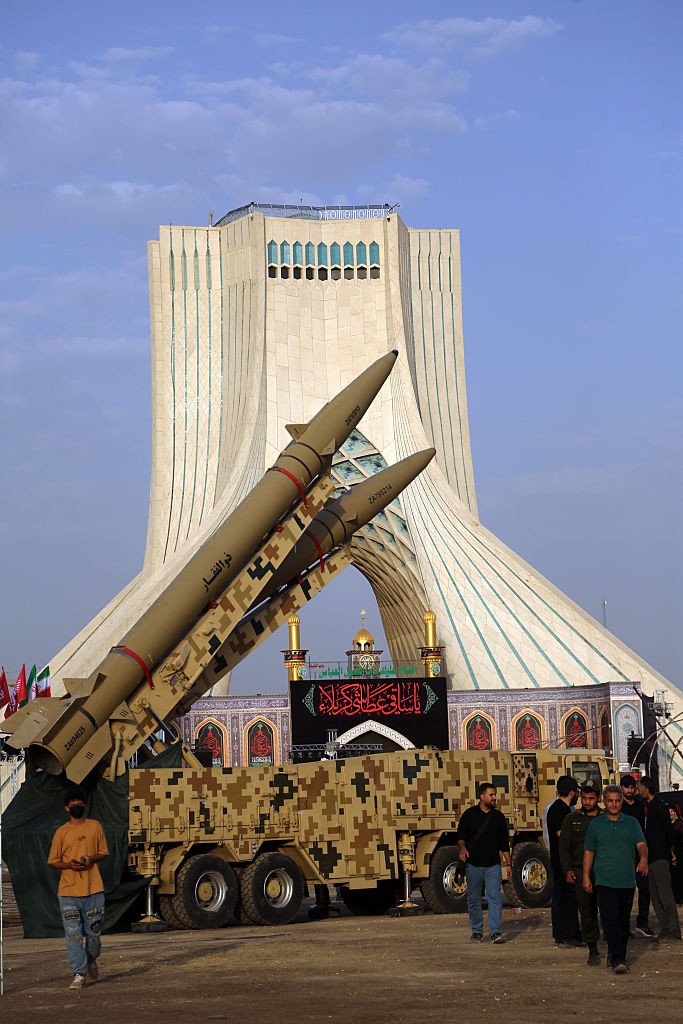
Russia has been secretly helping Iran develop advanced supersonic cruise missiles through a multiyear covert technology transfer program, according to an investigation by the Financial Times, posted on September 1.
Codenamed “C430L,” the program began in 2023 and has continued into 2026.
We bring you stories from the ground. Your support keeps our team in the field.
This advanced technology transfer is part of a broader military exchange between the two nations. It was previously reported that Russia is simultaneously using the landlocked Caspian Sea to ship explosives, ammunition, and drone components directly to Tehran, bypassing Western navies to help replenish Iranian military stocks following strikes by the US and Israel.
According to leaked Russian correspondence, travel records, and military patents obtained by the Financial Times, the initiative focuses on helping Tehran develop a ramjet propulsion system—a specialized engine that enables cruise missiles to sustain flight at several times the speed of sound.
Missile experts told the publication the technology is designed for anti-ship and land-attack cruise missiles capable of threatening naval vessels and missile defense systems in the Middle East.
The program was arranged by Russia’s state arms exporter, Rosoboronexport, in coordination with defense contractor NPO Mashinostroyenia. Financial Times noted that senior Russian missile designers and propulsion specialists made repeated trips to Iran to assist with the project.
According to the Financial Times, NPO Mashinostroyenia engineers received technical data from an Iranian flight test and provided detailed technical analysis to help troubleshoot combustion, fuel system, and airflow issues in the Iranian prototype.
While Iran has previously flight-tested ramjet components, mastering supersonic air-breathing propulsion has remained a key technological hurdle for its defense industry.
The Financial Times reported that correspondence between Russian and Iranian officials regarding the next development phase of C430L continued through mid-2026.
Russia’s export revenues have also temporarily surged by 27% year-over-year in the second quarter to $125.7 billion, driven by global energy price spikes and Middle East supply disruptions. Driven by climbing Urals crude prices and expanded agricultural quotas, the brief foreign currency influx strengthened the ruble through late May.
Discuss this article:
-9a7b3a98ed5c506e0b77a6663f5727c5.png)