- Category
- World
Massive War Bills and Fuel Cost Push Inflation Fears Higher, Russian Central Bank Warns
 Prefer U24 Media on Google
- Authors

-c439b7bd9030ecf9d5a4287dc361ba31.jpg "Photo of Katherina Popilnichenko")
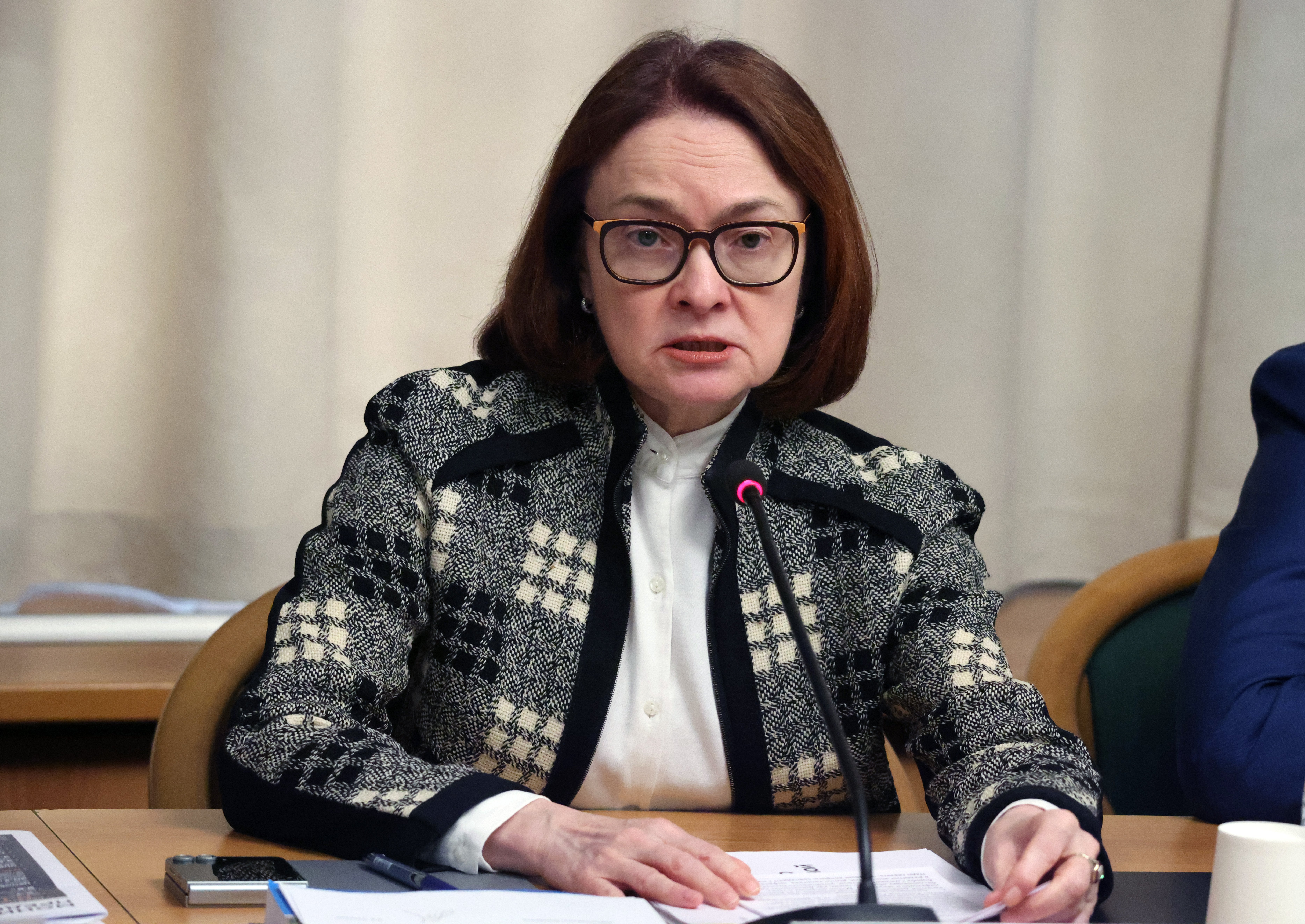
Russian Central Bank Governor Elvira Nabiullina announced on June 19 that pro-inflationary risks within the nation’s economy have significantly increased.
The primary drivers behind this shifting economic landscape are soaring domestic fuel costs and a massive expansion of government spending, which is projected to vastly exceed initial legislative forecasts, as reported by The Moscow Times.
We bring you stories from the ground. Your support keeps our team in the field.
According to data published by Bloomberg, the Kremlin requires an unplanned 4 to 5 trillion rubles ($54.4 billion to $68 billion) in additional state funding specifically to sustain Russia’s full-scale invasion of Ukraine, pushing overall national expenditures far past the original federal budget, cited by the Moscow Times.
The critical budget risk has already begun to manifest, though Nabiullina noted that total clarity regarding its final scope remains highly uncertain. Concurrently, a severe spike in domestic fuel prices is exerting heavy pressure on consumer markets.
National statistics bureau Rosstat reported that retail gasoline prices have been climbing at a rate of nearly 1% per week for two consecutive weeks. Since the beginning of the year, retail fuel has grown 6,6% more expensive, representing a rate of increase double that of the identical period during the previous year.
Nabiullina warned that rising gasoline prices are highly sensitive for both civilian consumers and private enterprises, threatening to trigger a broader upward shift in public inflationary expectations.
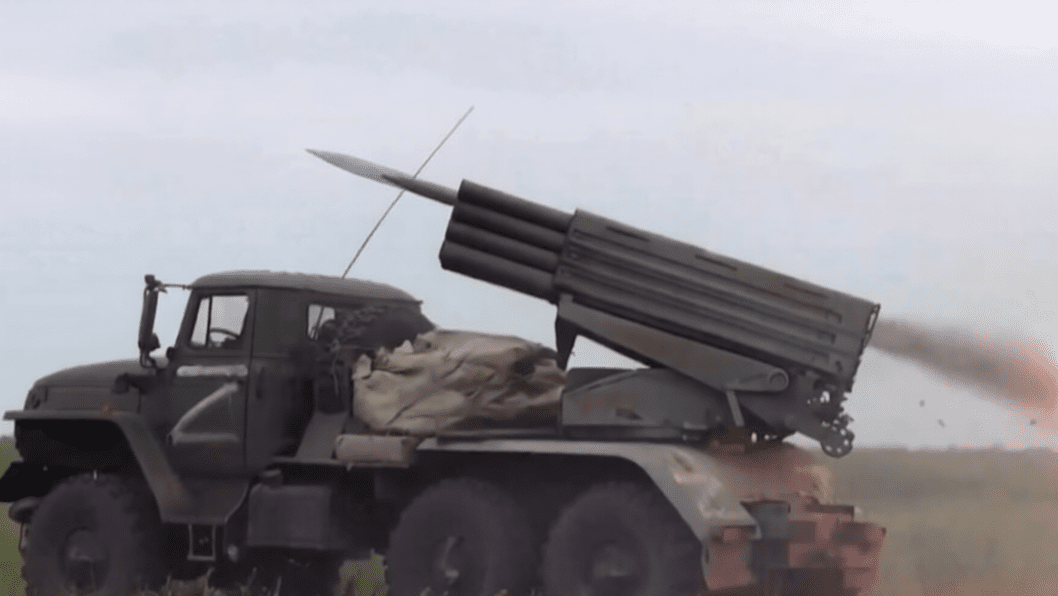
The sudden economic pressure marks a distinct reversal for the Kremlin. According to the Ministry of Economic Development, consumer inflation has started to accelerate again after a year of near-continuous deceleration.
The pace of the consumer price index increased from 5,31% at the end of May to 5,63% by mid-June. This rapid shift has directly restricted the Central Bank's ability to lower its key interest rate. During its Friday session, the regulator opted to reduce the rate by a marginal 0,25 percentage points to 14,25% per annum. This adjustment marks the smallest single-step reduction across the Central Bank's last nine consecutive policy-easing meetings.
The regulatory path forward is now expected to face prolonged delays. While the Central Bank initially projected an average key interest rate of 14-14,5% for the current year, 8-10% for 2027, and a eventual return to a neutral target of 7,5-8,5% by 2028, Nabiullina acknowledged that achieving a neutral rate will take longer under these newly altered economic conditions.

Financial analysts note that the minimal 25-basis-point drop reflects a complex political dilemma for the Central Bank, which must balance growing structural risks against explicit political demands for lower borrowing costs coming directly from Vladimir Putin.
As a result, experts indicate that the broader cycle of monetary easing may effectively be over, as the escalating threat of expanding federal budget deficits continues to complicate long-term regulatory stability.
Following successful Ukrainian drone strikes that disabled primary and secondary units at the Gazprom Neft Moscow Refinery, the facility halted its operations, which previously supplied up to 40 percent of the capital’s fuel.
Combined with a separate strike on the Taneco plant, these disruptions removed an estimated 600,000 barrels per day from Russia’s domestic oil refining capacity, ultimately driving total refining volumes to a 21-year low. As a result, critical gasoline shortages emerged across the Moscow metropolitan area, forcing major retail stations to introduce fuel rationing and prompt independent networks to increase premium fuel prices.
Discuss this article: