- Category
- World
NATO Revamps Defense Strategy Following Lessons From Ukraine
 Prefer U24 Media on Google
- Authors

-c439b7bd9030ecf9d5a4287dc361ba31.jpg "Photo of Katherina Popilnichenko")
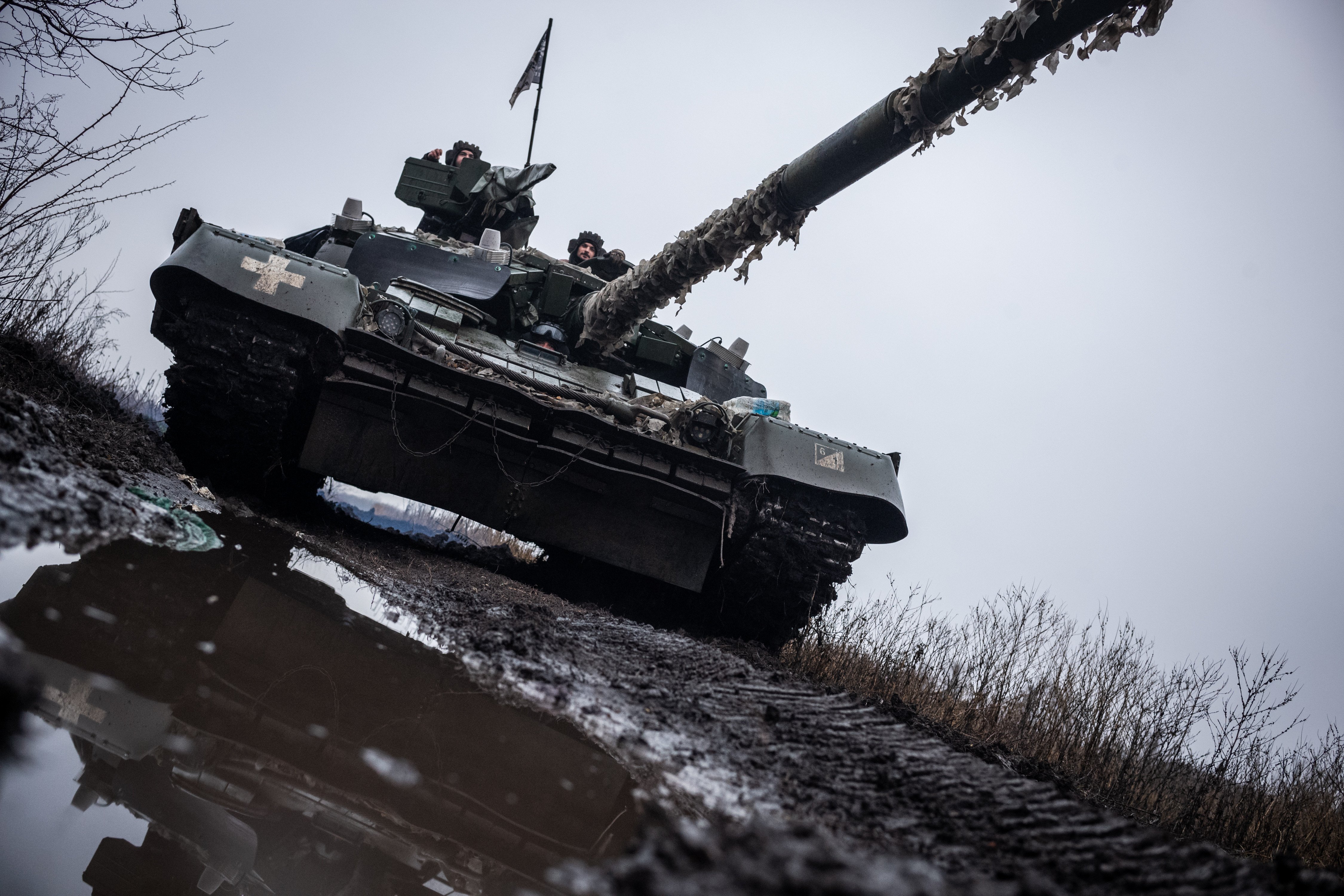
NATO Secretary General Mark Rutte has highlighted that the experience of Russia’s full-scale invasion of Ukraine shows a critical need to accelerate defense development.
The alliance is moving away from a focus on ideal solutions in favor of systems that can be manufactured and deployed rapidly in combat conditions, according to RBK Ukraine on May 6.
We bring you stories from the ground. Your support keeps our team in the field.
The intensity of the fighting in Ukraine has signaled a major shift in priorities for the global defense industry. Experts conclude that availability, scalability, and immediate readiness are now more important on the battlefield than technological perfection.
Analysts noted that focusing too much on "ideal" technology often leads to weapon shortages and delivery delays, which are critical risks during active operations.
Christian Brost, General Manager of Robin Radar USA, stated that in the current environment, "a solution that is good enough now is better than a perfect solution later." His company develops drone-detection radars currently used by Ukraine and US allies. Brost emphasized that the Ukrainian experience demonstrates the value of simple, low-cost solutions that can be quickly integrated and adapted, as RBK wrote.
This strategic change is gaining momentum across the West. NATO members are showing increased interest in mass-produced, affordable technologies. This includes interceptor drones, which are being viewed as a viable alternative to expensive anti-aircraft missile systems.
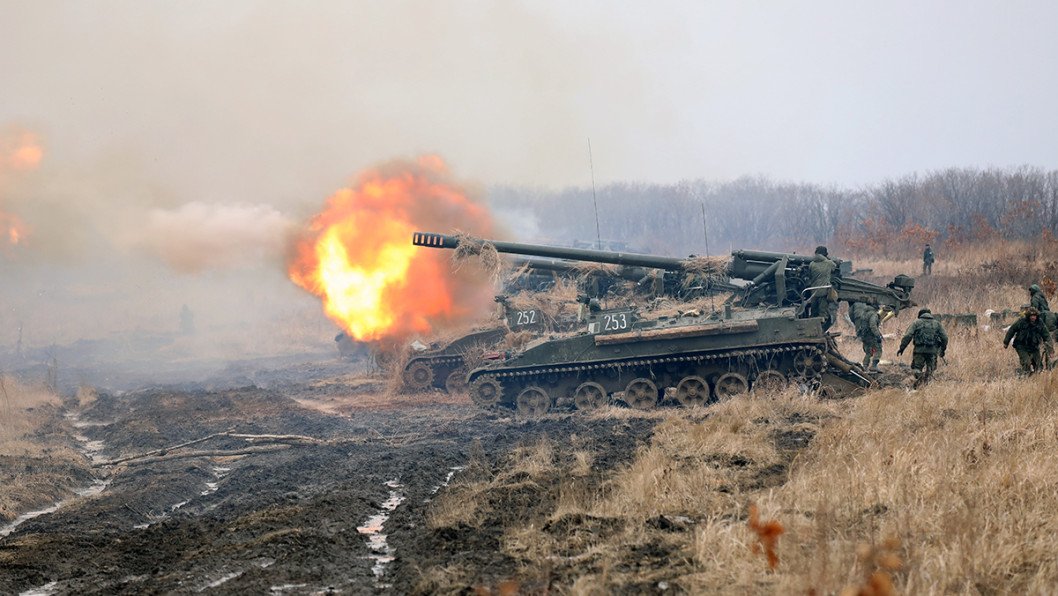
Rutte previously remarked that the alliance has been too slow to innovate, noting that the pursuit of perfection often hinders the development of necessary defense solutions. He stated that speed and sufficient quality must become the new priority.
Ukrainian defense industry representatives also pointed out that practicality has become the deciding factor during the war. Systems that function reliably and are available in large quantities have proven more effective than complex, high-priced developments.
According to RBC, the Ukrainian defense model is characterized by a rapid production and modernization cycle, allowing technical changes to be implemented quickly based on direct feedback from the front lines.
European nations and NATO allies are now focusing more on increasing the volume of affordable weaponry. In a potential long-term scenario, high-tech systems may not provide the flexibility or cost-effectiveness required for large-scale use.

Industry experts agree that finding a balance between advanced technology and mass production is now the primary challenge for Western defense sectors.
NATO and the US Army recently concluded the Dynamic Front exercises in Romania, where units like the 56th Artillery Command focused on improving tactics to repel a potential large-scale invasion.
The drills highlighted a significant shift toward preparing for high-intensity warfare, integrating critical lessons from Russia's full-scale invasion of Ukraine regarding the use of decoy drones and the logistics of mass-scale defense.
Discuss this article: