- Category
- World
New NATO Command Center in Estonia Puts Germany, Netherlands at Baltic Defense Core
 Prefer U24 Media on Google
- Authors

-111f0e5095e02c02446ffed57bfb0ab1.jpeg "Photo of Roman Kohanets")
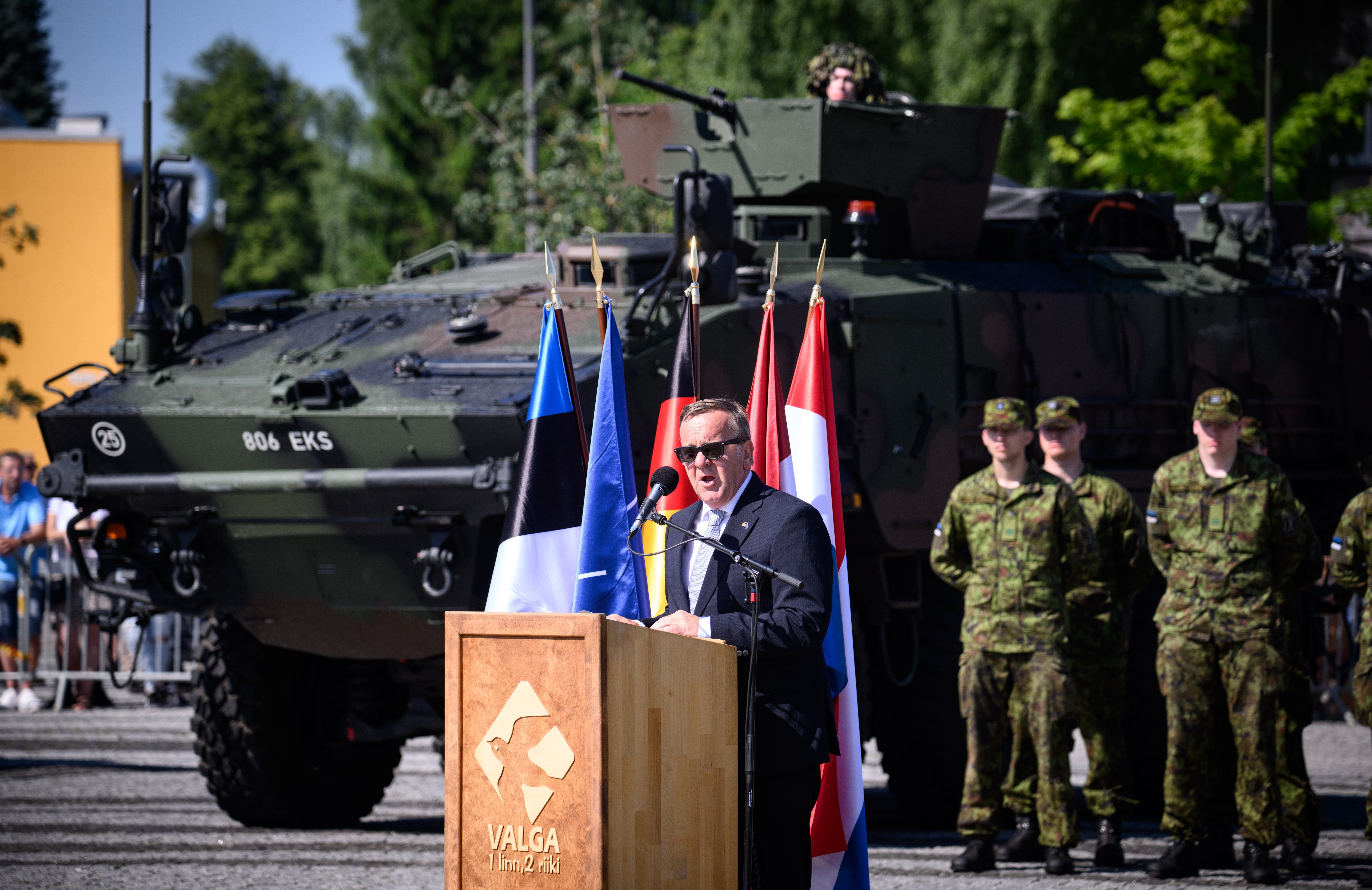
Germany and the Netherlands established a joint military command center in Estonia to deter Russia and take on greater responsibility within NATO, ahead of the NATO leaders' summit next week, Bloomberg reported on June 30.
German Defense Minister Boris Pistorius attended the handover ceremony in the Estonian border town of Valga, where the First German-Dutch Corps took command of part of NATO's eastern-flank defense from the Multinational Corps Northeast.
We bring you stories from the ground. Your support keeps our team in the field.
"By adding another highly capable headquarters to NATO's eastern flank, we improve our readiness, enhance our command-and-control structures and reinforce our ability to deter any potential adversary," Pistorius stated in a speech.
The new command will serve as the tactical headquarters for a stretch of the eastern flank, directing all NATO units in Estonia and Latvia, as well as national land forces. It will lead to military exercises, preparatory activities and the defense of the region should Russian forces attack.
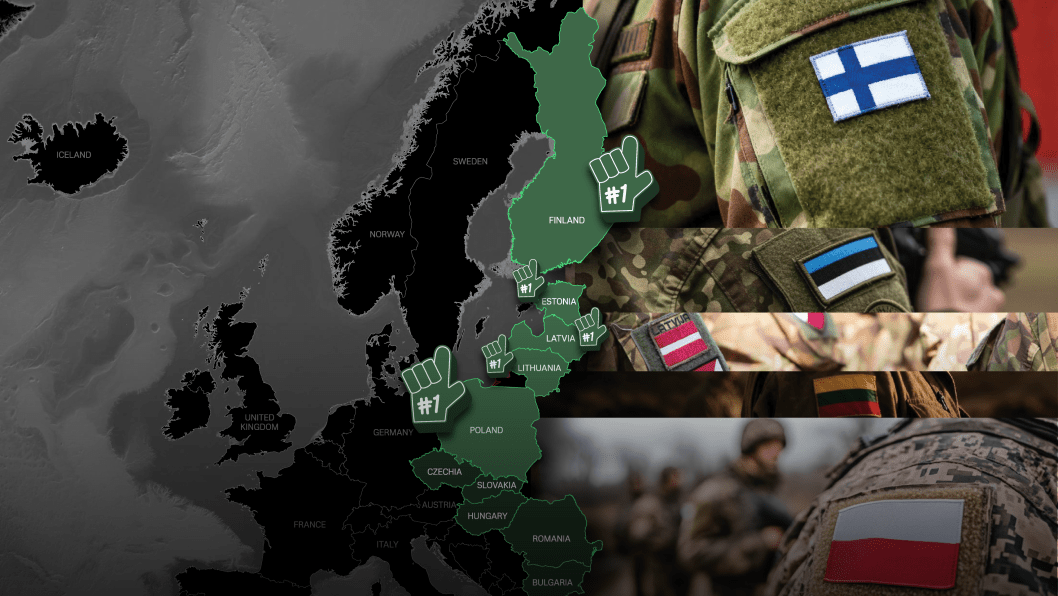
The defense ministers of the Netherlands, Estonia and Latvia joined Pistorius at the ceremony. US General Christopher Donahue, commander of NATO's Allied Land Command, acknowledged the shift, noting that Europe is now taking on more than it has in 35 years.
The command center fits into a wider NATO effort to reinforce the Baltic region through closer allied cooperation on land, at sea, and below the surface.
NATO and allied forces have reduced response times to suspicious undersea incidents in the Baltic Sea from 17 hours to one hour, according to UNITED24 Media correspondents on June 18.
The improvement is tied to Baltic Sentry, NATO’s mission to patrol and protect critical undersea infrastructure after a series of suspicious incidents involving communication and energy cables.
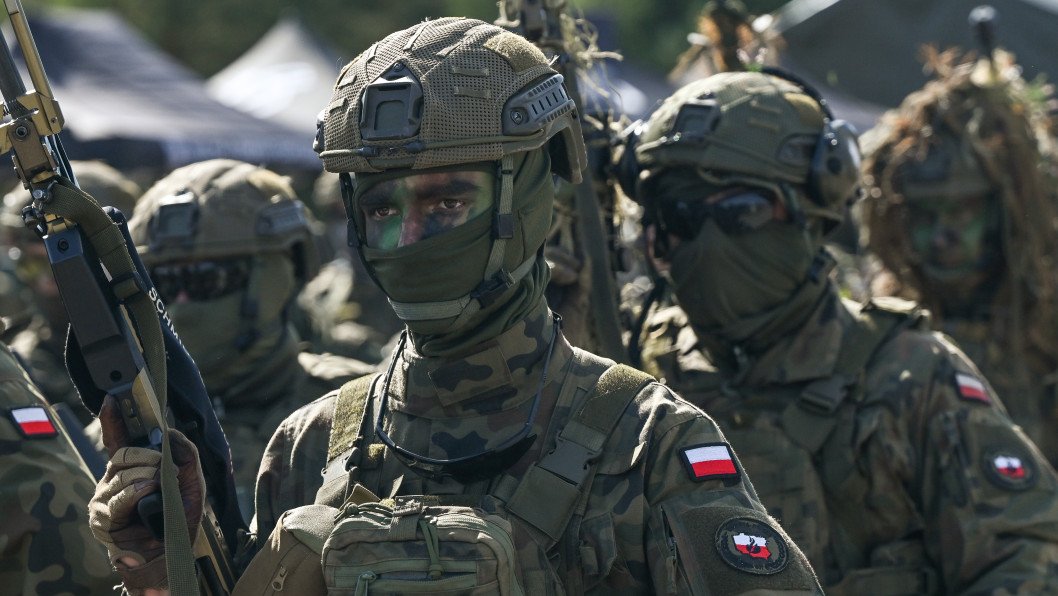
Lieutenant Commander Tim Pietrack of NATO’s Allied Maritime Command stated that the mission demonstrates that allies have both the political will and the operational capacity to sustain collective defense in the Baltic Sea.
The joint command had been in the works for weeks. In late May, Germany and the Netherlands agreed with NATO to assign their combined corps, based in the German city of Muenster, to defend Latvia and Estonia, giving the alliance a second corps capable of surging 40,000 to 60,000 troops into the Baltic region in wartime.
Until then, forces across the Baltic states and northern Poland had answered to a single multinational headquarters in the Polish city of Szczecin.
Discuss this article:


-c439b7bd9030ecf9d5a4287dc361ba31.jpg "Photo of Katherina Popilnichenko")