- Category
- World
Poland Signs $939M Mine Deal to Counter Potential Russian Incursion
 Prefer U24 Media on Google
- Authors

-72b63a4e0c8c475ad81fe3eed3f63729.jpeg "Photo of Cyril Barabaltchouk")
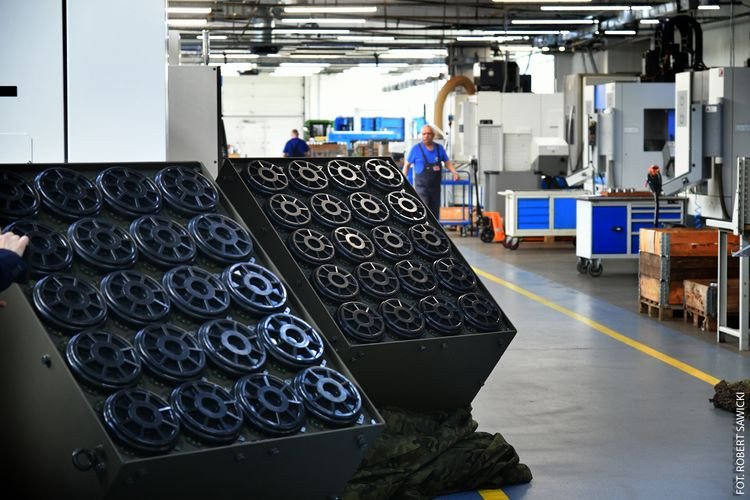
Poland has signed a record-breaking contract worth up to 3.4 billion PLN ($939.2 million) with domestic manufacturer Belma to supply the Polish Army with scatterable anti-tank mine cassettes, Bydgoszcz city portal reported on May 1.
The agreement aims to rapidly enhance the military’s ability to defend the country’s borders from Russian incursion. The contract, finalized between the Armaments Agency and Bydgoskie Zakłady Elektromechaniczne “Belma” SA, guarantees a basic order of 600 million PLN ($165.7 million), with an option to expand the total value to 3.4 billion PLN ($939.2 million).
We bring you stories from the ground. Your support keeps our team in the field.
Deliveries of the several thousand ISM mine cassettes, which contain MN-123 scatterable mines and MN-123/C training variants, are scheduled to be completed between 2027 and 2029.
According to Bydgoszcz portal, these munitions are specifically intended for Poland’s automated scatterable mine-laying systems, including the wheeled BAOBAB-K, the tracked Scattered Mine Laying Transporters (TMN), and the legacy Kroton systems.

Adam Leszkiewicz, CEO of the Polish Armaments Group (PGZ SA), emphasized that the order is part of a comprehensive border defense strategy. “By signing this contract, we’re providing the Polish Armed Forces with much more than just mines,” Leszkiewicz stated.
“They’re part of a larger, coherent and well-designed solution. This system encompasses not only mines, but also cassettes, launchers, and, ultimately, specialized scattered-mine vehicles,” he continued.
Local officials highlighted the strategic and economic importance of the deal for the region. Rafał Bruski, Mayor of Bydgoszcz, noted that companies from the local metropolitan area make up 10% of the Polish Armaments Group.
“Today’s agreement is an example of Polish industry’s ability to respond to the nation’s most critical defense needs and provide Poland with greater certainty in the face of contemporary threats,” Bruski said.
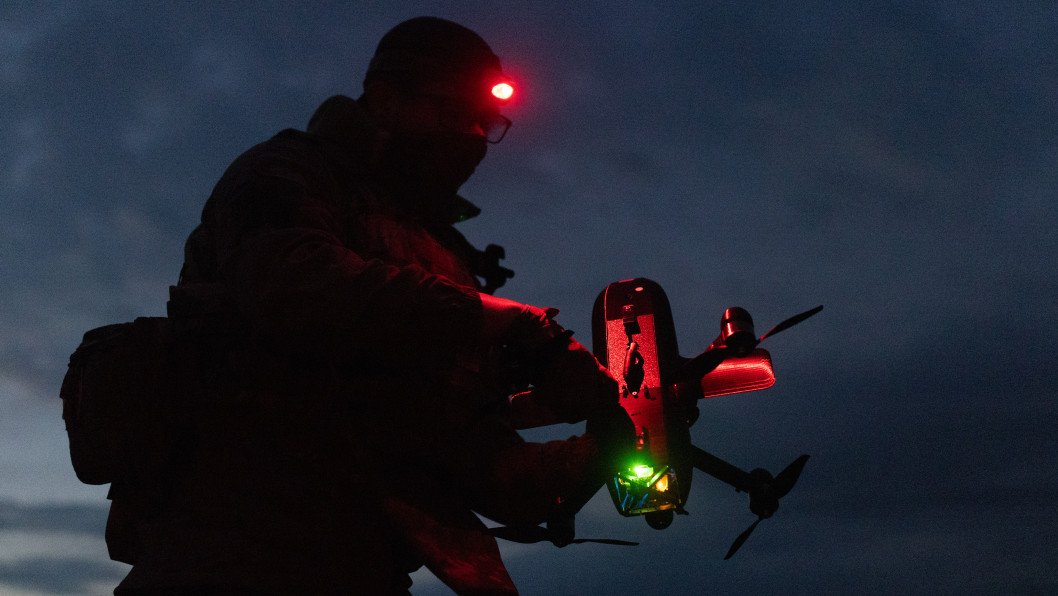
Poland’s investment in domestic defense systems is accompanied by a new initiative to test its military equipment directly on the Ukrainian frontline. Polish Deputy Defense Minister Cezary Tomczyk had recently announced plans to deploy Polish-made weapons and drone systems to Ukraine for real-world combat validation, noting that domestic training grounds cannot replicate the intensity of conventional warfare against a peer adversary.
Warsaw also aims to deepen defense ties with Kyiv through technology exchange and joint industrial development. According to Tomczyk, this strategy aims to create a “symbiosis” that combines Ukrainian combat experience with Polish industrial capacity, ensuring that domestic defense products—from drones to new automated minelaying systems—are optimized for modern, high-intensity conflict.
Discuss this article:




-111f0e5095e02c02446ffed57bfb0ab1.jpeg "Photo of Roman Kohanets")