- Category
- World
Russia Wants Europe to Split Politically. Will It Manage?
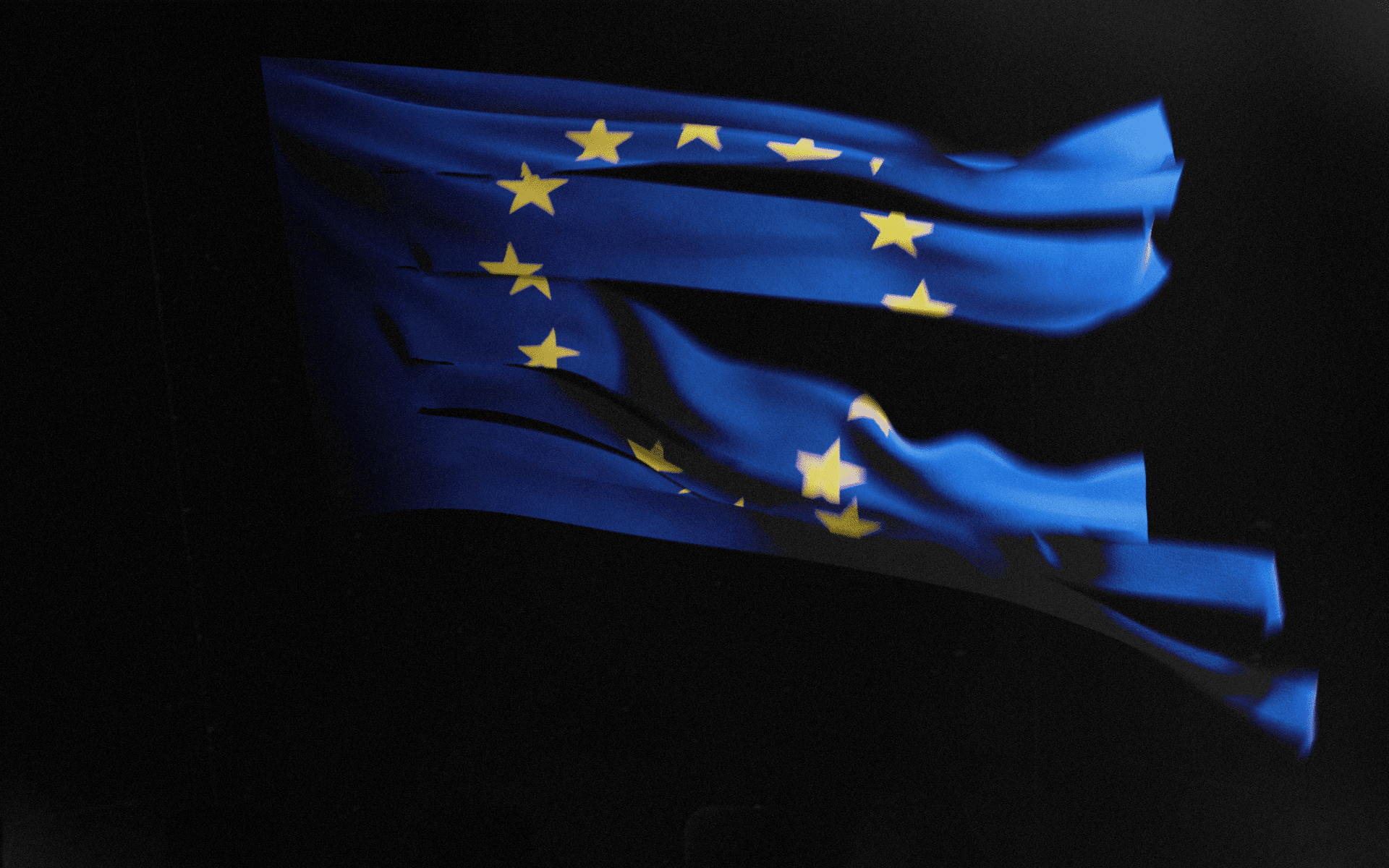
Migration used to be the most polarizing topic for the German population. Now it is Ukraine. Or rather, the EU’s support for its war-torn neighbor. Across Europe, Russia is looking for ways to exploit those divisions.
 Prefer U24 Media on Google
- Authors


Germany is Ukraine’s largest supporter in Europe and one of the country's most valuable allies. But the political landscape is changing. According to a recent poll by the Mercator Forum for Migration and Democracy (Midem), Germany’s most divisive political question is no longer migration; it is whether to keep supporting Kyiv. There is more data to back up this trend. In a YouGov survey of 2,785 adults conducted in March, 54.1% want Germany to keep backing Kyiv and to distance itself from Moscow, while 28.8% want less support for Ukraine and a move towards Russia. Around 17% take no position.
The change beneath those numbers matters more than the totals. The overall share favoring rapprochement with Russia actually fell by two percentage points, according to Euronews. But the share choosing the most extreme pro-Russian answer on the 0–10 scale rose from 13.7% to 17.3% in a year. What does that mean? It means society is arguing. And that profits especially one side: Russia, which doesn’t need to win the argument, only to keep it going.
Fault lines across Europe
In Midem’s own comparison, German respondents were slightly more skeptical about helping Ukraine than the average of the eight countries surveyed (Germany, France, Italy, Poland, Sweden, Spain, Czechia and Hungary). So the German picture is a sharper version of a European one, but not an exception.
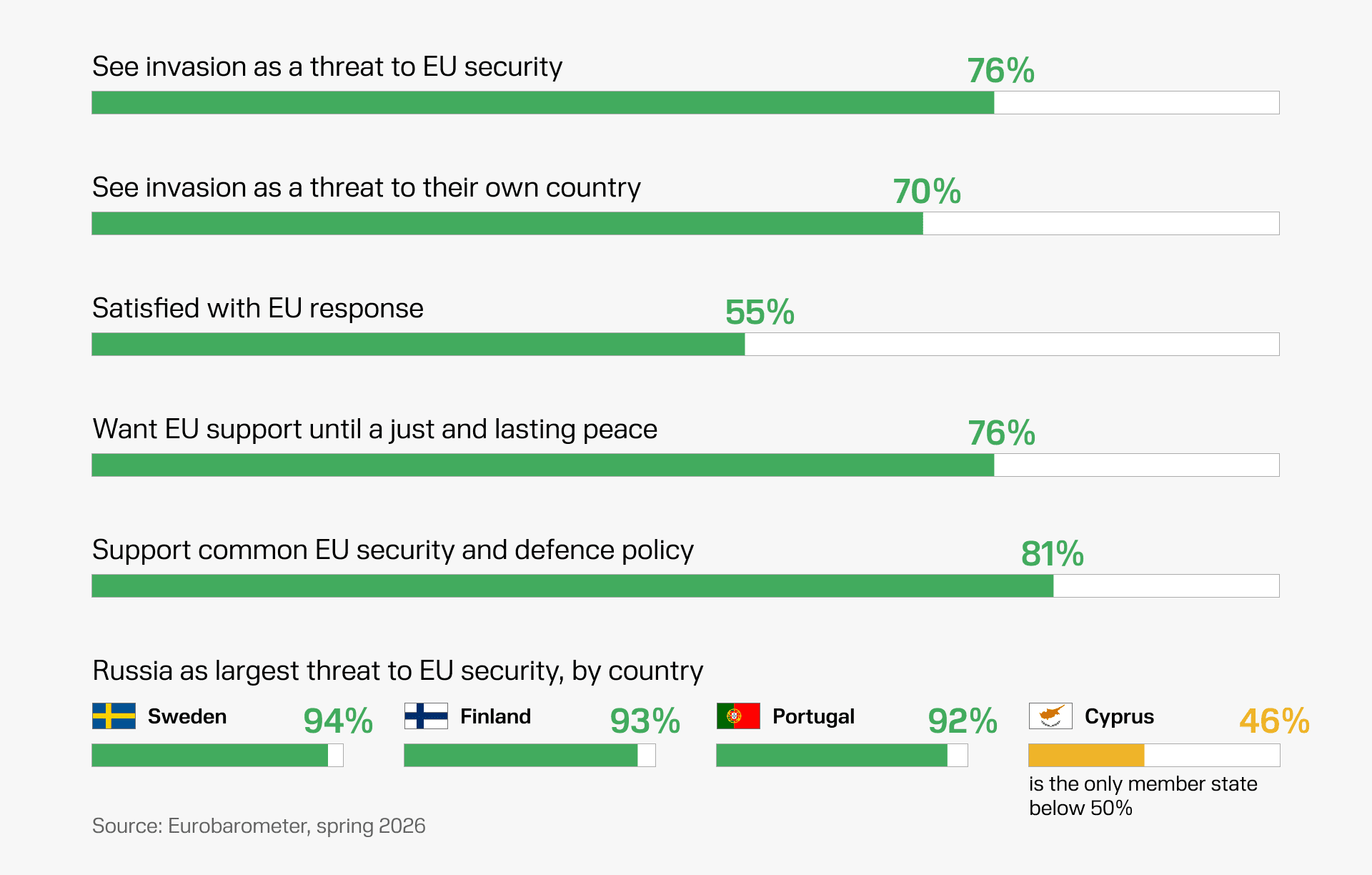
First things first. The European majority is still solid. The spring 2026 Eurobarometer, which measures the general political atmosphere in the EU, found that 76% of citizens see Russia’s invasion as a threat to the security of the EU and 70% as a threat to their own country. Satisfaction with the EU’s response stands at 55%, with majorities satisfied in 24 member states. About three in four want the EU to support Ukraine until a just and lasting peace is reached. Agreement that the invasion threatens EU security reaches 94% in Sweden, 93% in Finland and 92% in Portugal; Cyprus (46%) is the only member state below half.
What has changed is where the remaining doubt sits. Pew Research Center’s spring 2026 survey (45,658 people in 37 countries, February to May) found that supporters of right-wing populist parties tend to view Russia and Putin more warmly.
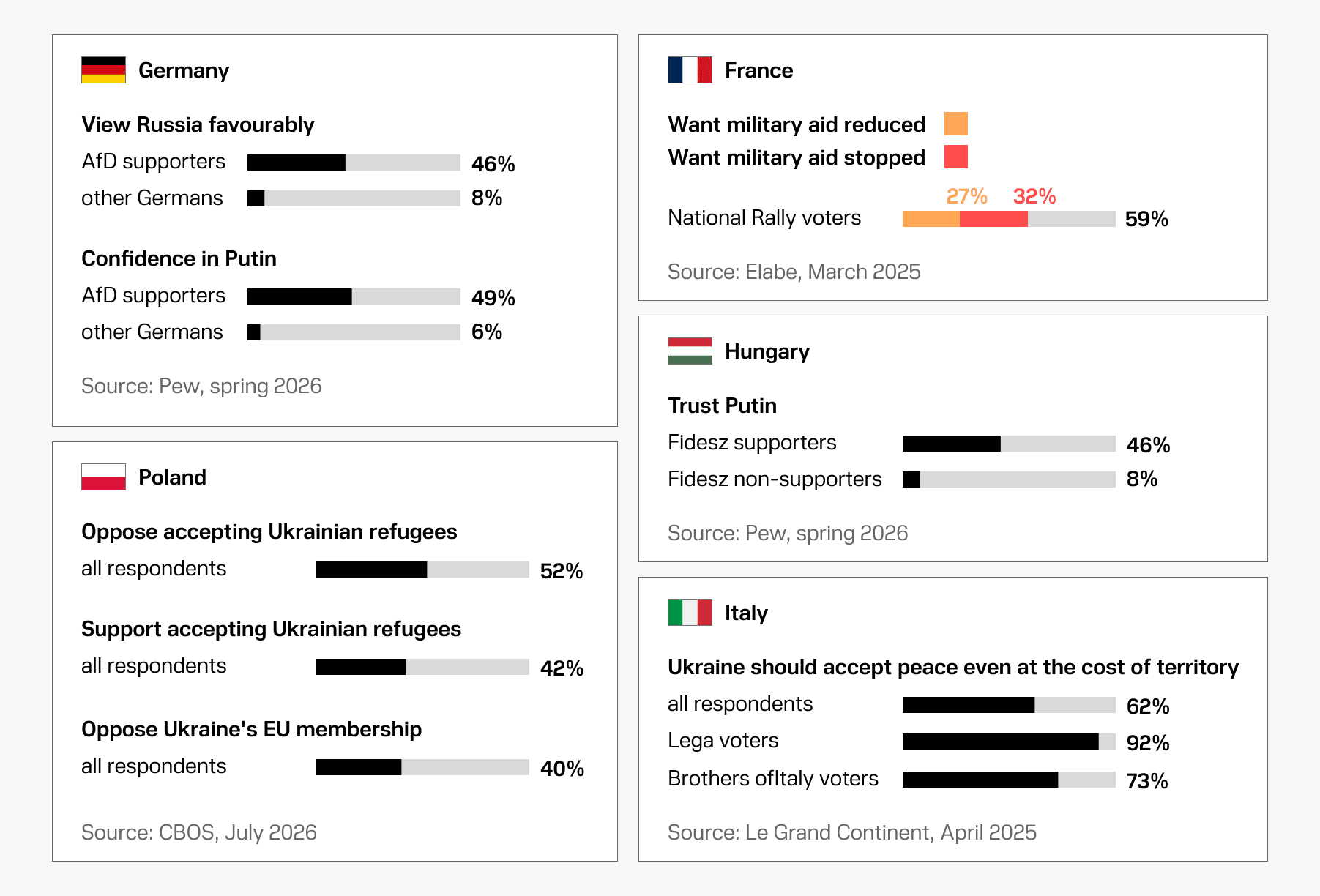
In Germany, AfD supporters are about six times more likely than other Germans to view Russia favorably (46% versus 8%), and 49% of them have confidence in Putin versus 6% of the rest. In Hungary, 63% of Fidesz supporters trust Putin to do the right thing in world affairs, against 7% of non-supporters (the fieldwork preceded Hungary’s 2026 election). The Pew Research Center reports a similar but smaller pattern in seven other European countries.
National polls show the same fault lines. In March 2025, the French polling and market research institute Elabe found that 59% of National Rally voters in France wanted military aid to Ukraine reduced (27%) or even fully stopped (32%). A Le Grand Continent poll in Italy the following month found 62% of Italians saying Ukraine should accept a peace treaty even at the cost of territory, including 92% of voters for the right-wing populist Lega and 73% of Brothers of Italy voters. It is not only a right-wing story: ECFR’s November 2025 poll of more than 16,000 Europeans identified an anti-system group, 15% overall, that is the least critical of Russia and includes 32% of AfD voters, 32% of Five Star voters in Italy and 35% of France Unbowed voters. And YouGov’s December 2024 tracker found support for backing Ukraine “until it wins” had fallen in all seven Western European countries polled, to 50% in Sweden, 40% in Denmark and 36% in the UK.
Poland shows a different shape. Polls by the state pollster CBOS show growing opposition directed at Ukrainians rather than at Kyiv’s fight against Moscow's invasion: in July 2026, for the first time, more Poles opposed (52%) than supported (42%) accepting Ukrainian refugees, and opposition to Ukraine’s EU membership reached a record 40%. Yet CBOS also found that Poles still see Russia as a shared enemy.
How much is Moscow?
Let's be very clear: migration, foreign policy, and war—these topics have always polarized populations. More than, let's say, tax reform for the import of vegetables from a third state. And the fact that they are so polarizing is most definitely not only Russia's fault. No matter how you look at it, European politics are not perfect, and to dismiss concerns of citizens about their future and safety solely as the result of Russian disinformation would be just plain wrong.
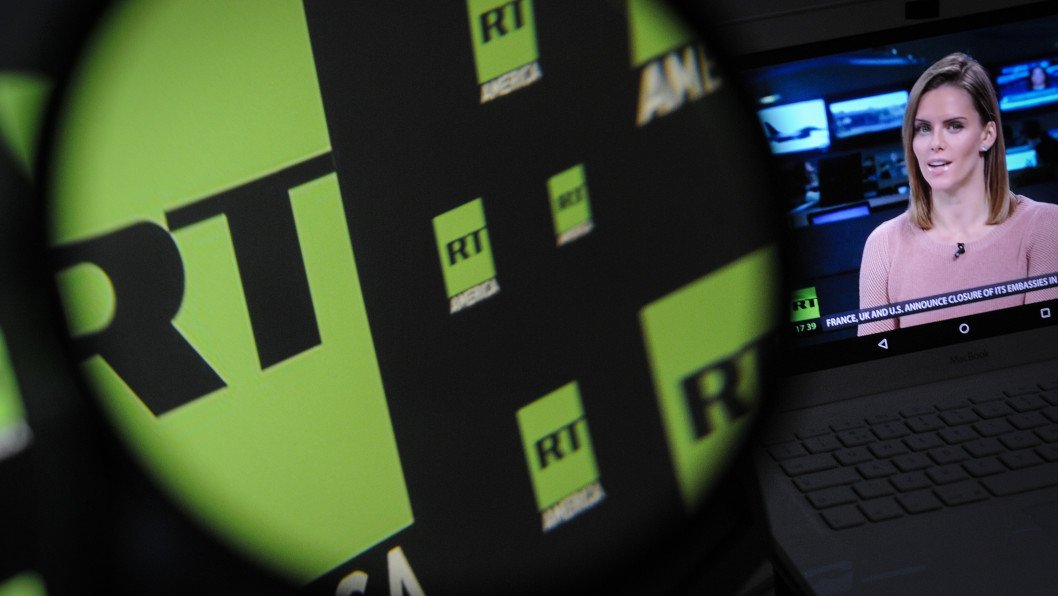
How much Russia has contributed to this political development cannot be proven, and anyone who claims a precise figure is guessing. What is documented is intent and effort. A June 2026 joint report by the EU’s diplomatic service (EEAS) and Ukraine’s Center for Countering Disinformation describes large-scale, systematic Russian information manipulation aimed at eroding European support for Ukraine. France’s watchdog Viginum has mapped such operations since 2023, including a network of at least 193 “Portal Kombat” websites targeting several European countries.
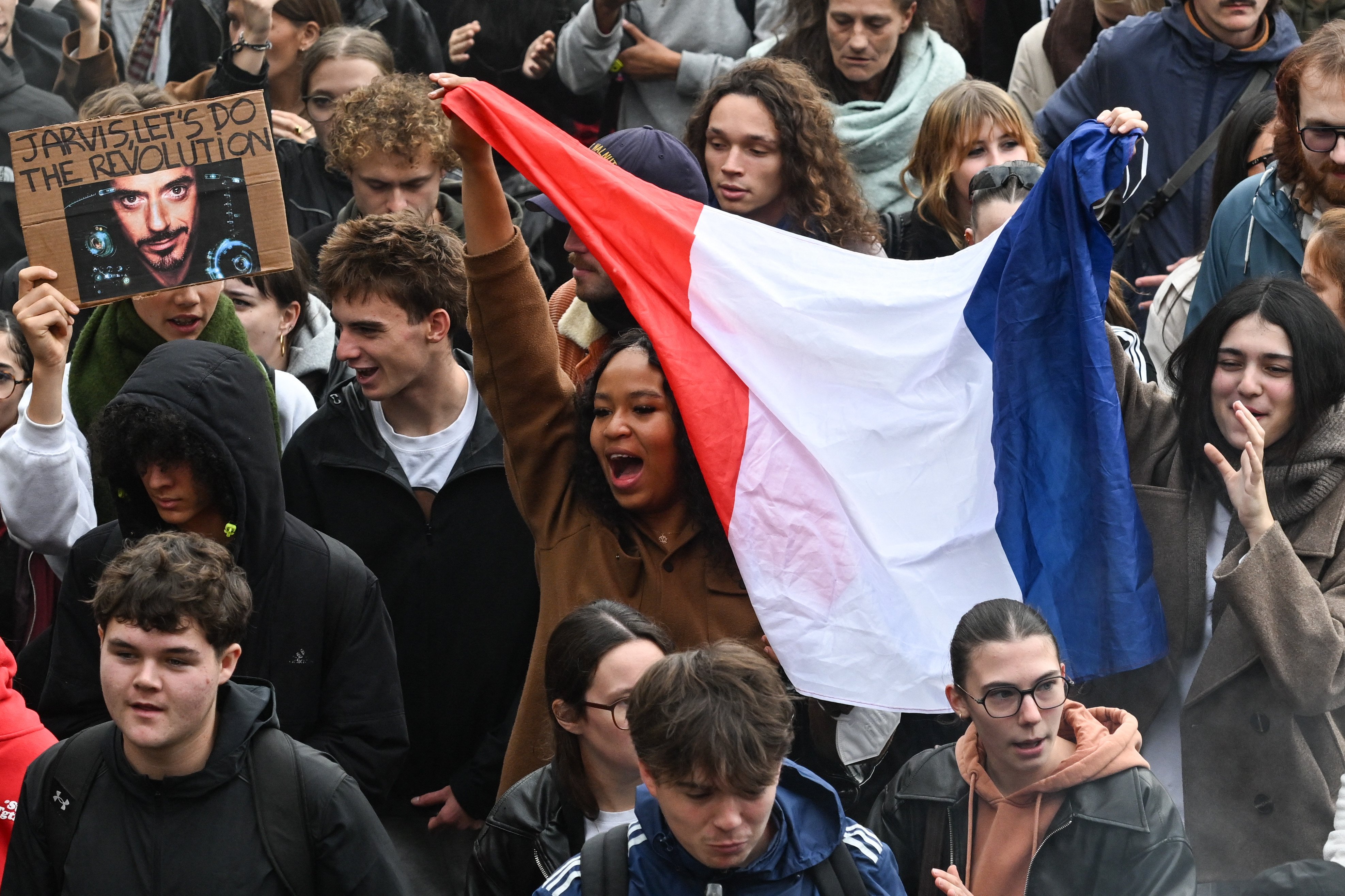
The unrest in France this October is another telling example, and a cautious one. According to the news agency Reuters, which saw an internal EU assessment, a covert Russian network known as Operation Overload spread fake videos imitating Western media to blame the riots on migration and to portray the government as having lost control. The same assessment found no evidence that Moscow instigated or escalated the protests, calling the activity “opportunistic exploitation of unrest”. Another operation, named Matryoshka, aimed to influence the upcoming national elections.
So, one could say: Russia did not create the anger; it tried to feed it.
Polarization over Ukraine is also made at home. The cost of living is the top national concern in 20 EU member states, according to the Eurobarometer, and aid to Ukraine is easily framed as competing with it. Midem’s data also show that the intolerance of opposing views is highest among AfD and Green supporters, a domestic dynamic no Kremlin operation is needed to explain. In Poland, historical disputes and domestic politics, not Russian propaganda alone, have soured sentiment.
The main question: Who profits?
Russian ambitions are bigger than weakening support for Kyiv. Recently, Russia has proposed a security arrangement that would divide Europe into spheres of influence and restrict NATO's military presence in Eastern Europe. The fact that Moscow did not cause every split does not mean it gains nothing. Russia’s war depends on Western support running out. A Europe that argues about whether to help, instead of how, is a Europe that helps more slowly, and slower aid is paid for in Ukrainian lives. The EEAS describes the Kremlin’s information campaigns as designed to undermine support for Ukraine across Europe; division is the cheapest way to achieve that.
But there is hope, and this comes from the people of Europe themselves. Support for a common EU security and defense policy stands at 81%, the highest in two decades of Eurobarometer data. The EU and its member states have provided €193.3 billion in assistance to Ukraine since the invasion, and leaders agreed a €90 billion loan for 2026–27. This month Chancellor Merz tied Germany’s consent to the EU’s long-term budget to new aid for Kyiv. What is missing is not majorities but a shared story that reaches the segment of the population who are decidedly against EU support for their neighbor at war.
Disagreement about how to support Ukraine is healthy democratic debate. Letting it harden into a contest over whether to support Ukraine at all is the outcome the Kremlin would like most.
Discuss this article: