- Category
- World
Russia Warns Norway With Military Targeting After Tomahawks Deployment
 Prefer U24 Media on Google
- Authors

-c439b7bd9030ecf9d5a4287dc361ba31.jpg "Photo of Katherina Popilnichenko")
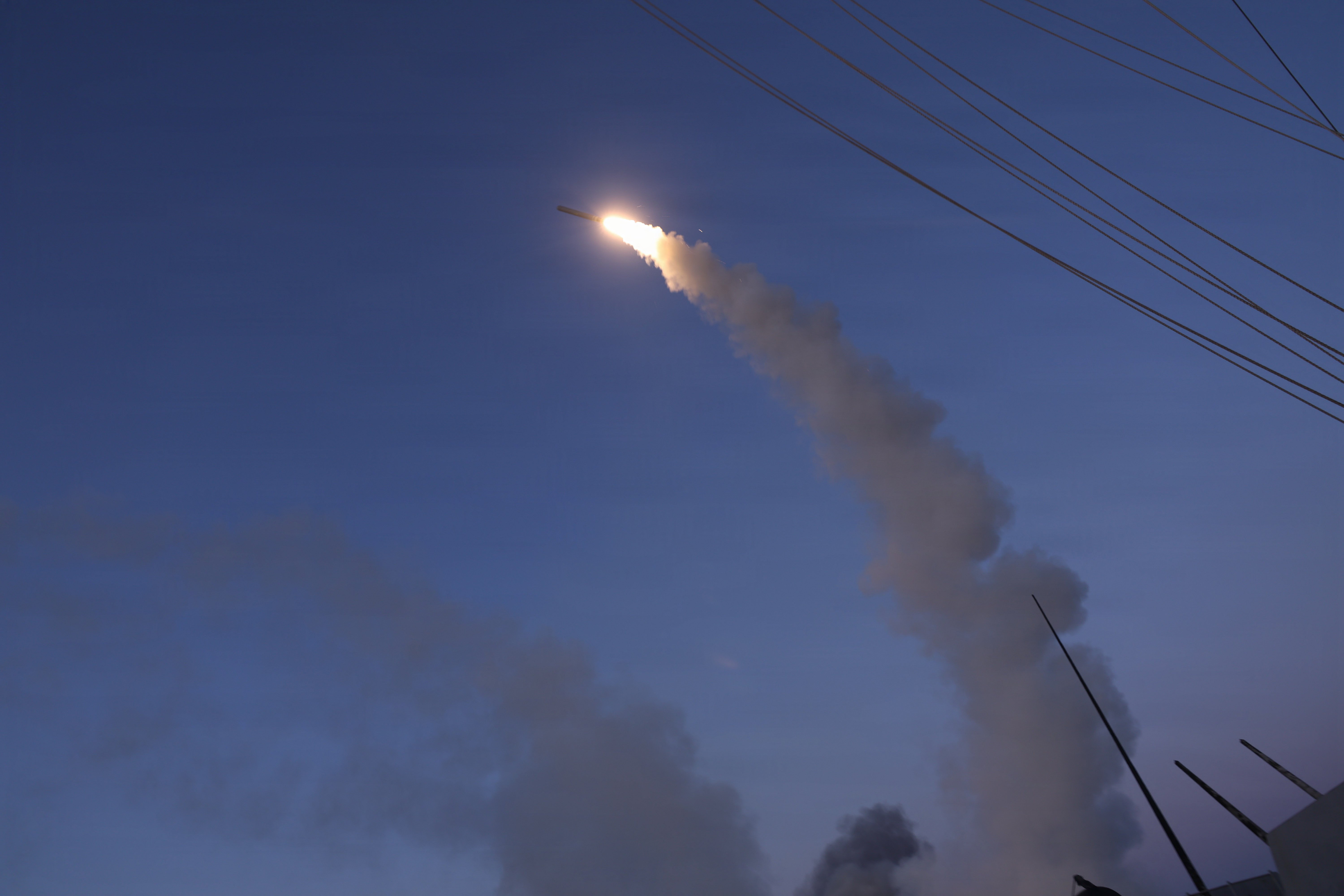
Russia reserves the right to plan the operational deployment of its weapons against Norway after the arrival of US missile systems capable of launching long-range Tomahawk cruise missiles that can reach Moscow, according to The Moscow Times on September 7.
The response follows the conclusion of joint NATO drills, Operation Atlantic City 26, conducted by the United States, the United Kingdom, and Norway from August 26 to September 4. During the maneuvers, the US Navy transported a mobile four-slot missile module, designed to resemble a shipping container, to the Norwegian city of Trondheim.
We bring you stories from the ground. Your support keeps our team in the field.
Official Russian Foreign Ministry spokesperson Maria Zakharova stated that these weapons could be deployed for NATO aggression against Russia "for solving tasks of a strategic nature."
She noted that it "should not come as a surprise" to officials in Washington and Oslo that "the locations where American systems are deployed and controlled, as well as their supporting infrastructure, become targets of special focus for Russia’s strategic deterrence forces, including the planning of the combat use of appropriate strike systems in the event of an armed conflict."
Russian officials stated that they view NATO’s actions "as another step in an endless series of highly destabilizing actions."
According to the ministry spokesperson, Moscow will take into account that positioning such hardware in Norway "allows covering an impressive sector of the European part of Russian territory, including Moscow," including with Tomahawk missiles. Russian officials also asserted that Western nations are using these maneuvers to gain control over maritime navigation in the area.
Military domain sources report that the Northern European NATO exercises took place under the broader Arctic Sentry defensive umbrella in the High North. A primary task of the operations was transferring containerized launchers for Tomahawk and SM-6 missiles to evaluate long-range air transport capabilities between regions.
The exercise also tested command, control, and communication networks needed to coordinate geographically separated long-range missile systems within a single joint targeting network, alongside several other military systems.
Previously, the United States considered transferring long-range Tomahawk missiles to Ukraine to significantly expand its deep-strike capabilities against Russian military infrastructure. With a range between 1,600 and 2,500 kilometers and a 450-kilogram warhead, these precision-guided missiles offered a substantial upgrade over existing Ukrainian drone and missile arsenals.
Ukrainian defense officials sought these systems to target deep-rear Russian military airfields, large ammunition depots, defense production facilities, and air defense networks. Despite the missile's origins dating back to the 1970s, modernized variants remained highly competitive against other Western and Russian long-range systems due to their extended range, low-altitude flight profiles, and inflight target redirection capabilities.
Discuss this article:
-4a56a6b482ec132402c16ef6fcabf9a2.png)