- Category
- World
Russian Satellite Activity Links Moscow to 40 Iran-Backed Strikes on Saudi Arabia
 Prefer U24 Media on Google
- Authors


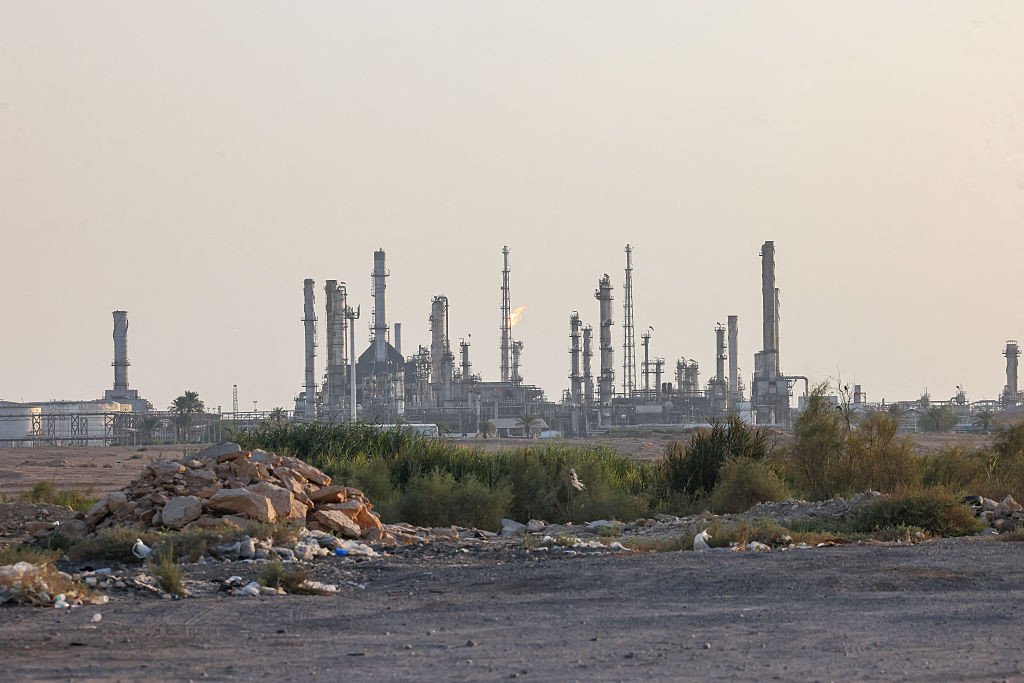
Russian reconnaissance satellites appear to have supported Iranian-backed militias in carrying out precision drone and missile strikes against Saudi oil and military infrastructure, the Associated Press (AP) reported on October 27.
AURORAH Geosignal Intelligence examined 40 attacks carried out against Saudi Arabia by Yemen’s Houthis and militias in Iraq between July 1 and October 19. The firm found Russian government and military satellites operating over targeted areas before and after every strike.
We bring you stories from the ground. Your support keeps our team in the field.
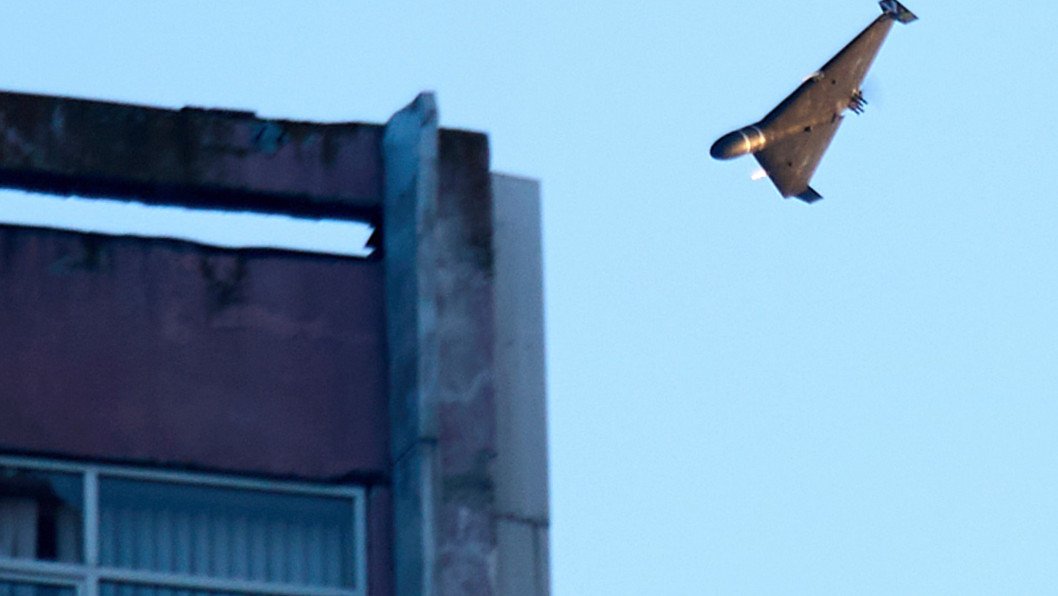
Russia and Iran have also cooperated extensively on drone technology. Iran began supplying Shahed attack drones to Russia in 2022 and later transferred engineering documentation and production tooling, enabling Moscow to manufacture Iranian-designed systems domestically under the Geran designation.
UNITED24 Media reported that Russia subsequently scaled up production at its Alabuga facility for use in attacks on Ukraine.
“What we found is a 100% match” between the satellite activity and the attacks, AURORAH founder Nawaf Obaid told AP.
Three officials, including one from Saudi Arabia and a senior Houthi figure, also told AP that Iranian-backed groups had benefited from Russian intelligence. Iranian advisers reportedly analyzed the information and passed it to allied forces.
Saudi Deputy Foreign Minister for Public Diplomacy Rayed Krimly stated that Iran and the Houthis receive intelligence from “elements in Russia and China, even commercial elements sometimes.”
Russian officials did not immediately respond to AP requests for comment on the allegations or AURORAH’s findings.
One of the clearest examples came on September 10, when drones launched from Iraq struck three pumping stations along Saudi Arabia’s 1,200-kilometer East-West Pipeline, disrupting oil flows.
AURORAH found that 11 Russian Cosmos 2600-series reconnaissance satellites had increasingly concentrated on the three areas beginning in July. Satellite flybys intensified in the weeks before the attack and around the time of the strikes.
A week later, Iranian-backed Houthis struck King Fahd Air Base in Taif, damaging hangars and an Italian Air Force Eurofighter Typhoon.
According to AP, AURORAH recorded a roughly 50% increase in Russian satellite activity over the targeted areas during the 72 hours surrounding the pipeline and air base attacks compared with July levels.
Obaid argued that the precision of the Taif strike, which damaged the Italian aircraft while avoiding Saudi jets at the same base, suggested access to intelligence beyond what the Houthis or Iran could independently generate.
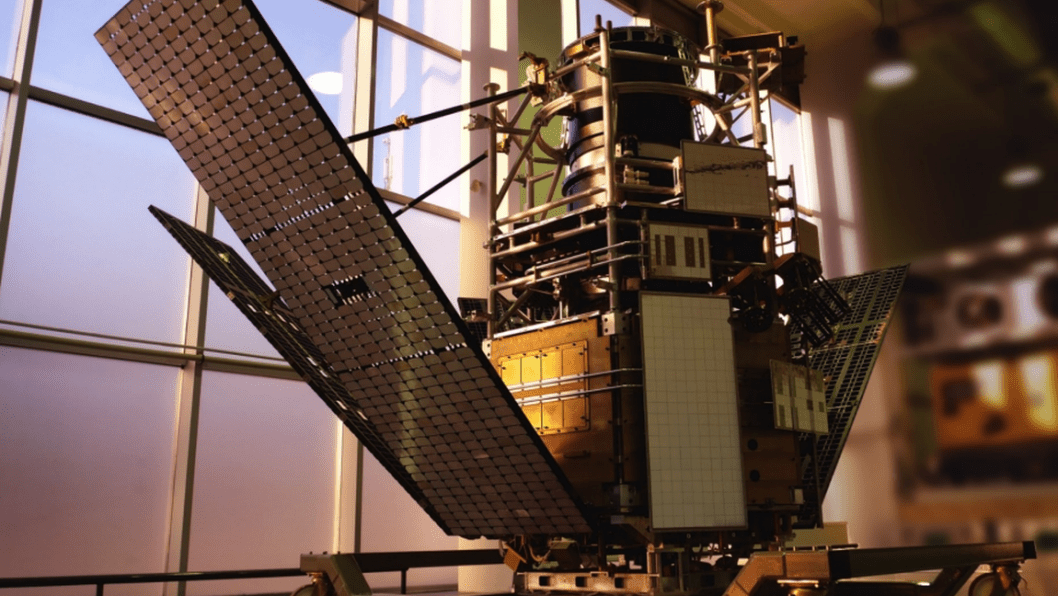
AURORAH identified 72 Russian reconnaissance satellites among more than 11,000 spacecraft in orbit and compared their trajectories with military activity on the ground.
The firm has not intercepted an actual transfer of intelligence from Russia to Iran or its allies. However, Obaid stated that the repeated concentration of Russian satellites over targets before strikes indicated intelligence collection and subsequent sharing.
An official briefed on Saudi investigations into the attacks separately told AP that Russian satellite intelligence had helped Houthis and Iraqi militias strike sensitive targets, including the East-West Pipeline pumping stations.
The same intelligence was also reportedly used during Iranian strikes in March against Prince Sultan Air Base and a CIA unit inside the US Embassy compound in Riyadh.
A senior Houthi leader told AP that Iranian advisers in Yemen were providing the group with targeting information derived from Russian satellite intelligence.
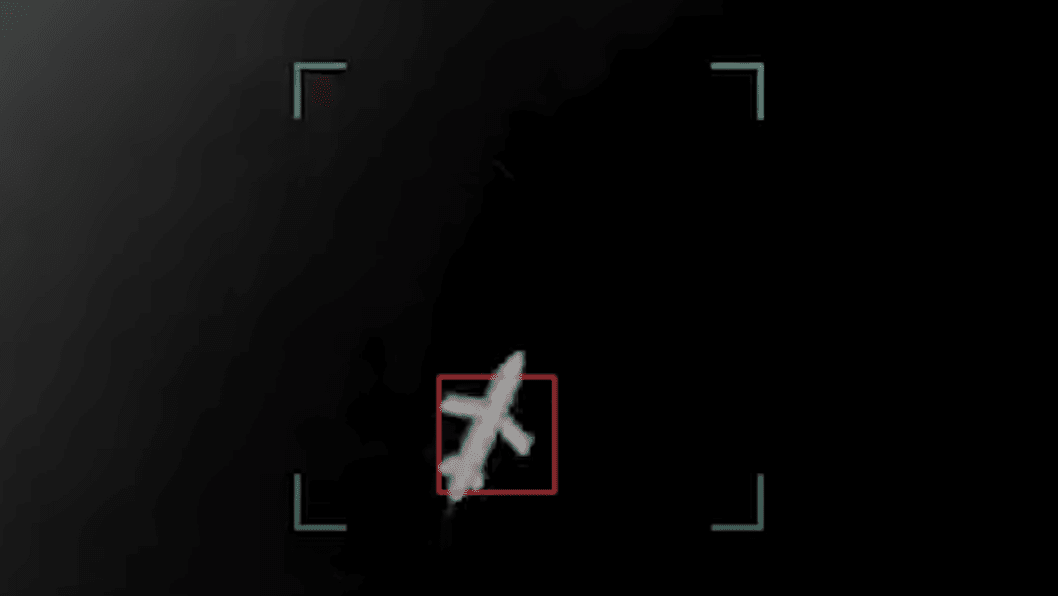
The Houthi official also stated that Iran supplied more advanced systems for drone operations and helping missiles evade air defenses, with some equipment originating from Russia and China.
Russia’s support for Iran has also extended well beyond intelligence sharing. In September, UNITED24 Media reported that internal Russian defense documents revealed programs supplying Iran with 24 attack helicopters and armored vehicles, alongside training, payments, and logistics networks supporting the transfers.
Discuss this article: