- Category
- World
Russia’s FSB Has a Back Door Into Europe—and Migrant Smugglers Allegedly Help Keep It Open
 Prefer U24 Media on Google
- Authors


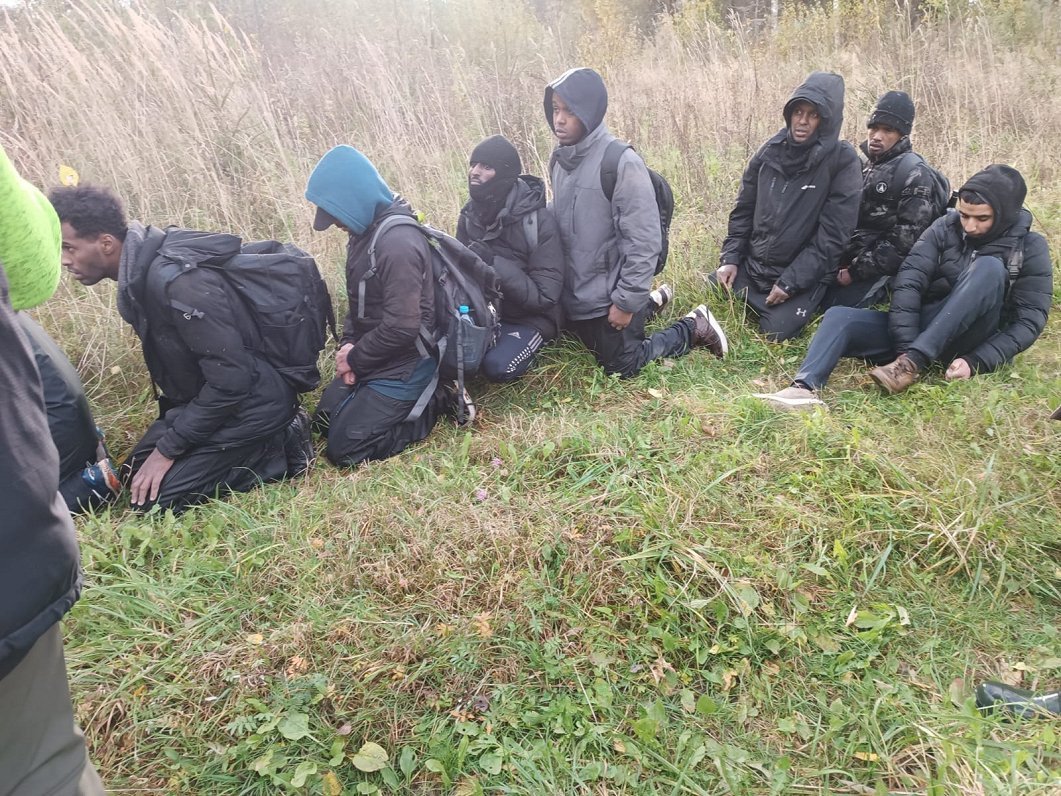
Russia’s Federal Security Service (FSB) is allegedly involved in coordinating networks that smuggle migrants from the Middle East and Africa into the European Union through Belarus, according to an investigation by The Insider on November 9.
The networks operate through organized transportation routes, encrypted messaging platforms, and intermediaries based in several countries.
We bring you stories from the ground. Your support keeps our team in the field.
The investigation found that groups of up to 20 migrants at a time enter EU territory, primarily through the Baltic states, before continuing toward Germany and other European destinations.
The findings come amid continued migration pressure along the EU’s eastern borders. According to The Insider, citing Latvia’s State Border Guard, authorities prevented 8,814 attempts to enter the country illegally between January and the end of July 2026.
Despite heightened border security, investigators identified networks that continue to facilitate unauthorized crossings, allegedly with the involvement of Russian security officials.
One case examined by The Insider involved Iraqi citizen Obeid Mohaymen, who traveled to Moscow in May 2025 after receiving an invitation from Rus Gateway LLC, a Russian company officially engaged in travel agency activities and operating under the brands Middle East Group and MiG LLC.
The company officially assists foreign nationals in obtaining invitations to Russia and operates the Cassandra hotel in Balashikha, near Moscow.
Individuals from countries including Syria, Yemen, Ethiopia, Eritrea, Somalia, Kenya, Sudan, Chad, Uganda, Lebanon, Iraq, Saudi Arabia, Egypt, and Morocco are invited to Russia before being transported through Belarus toward the EU border. However, according to the investigation, the company is also involved in a scheme facilitating the illegal movement of migrants from Arab countries into the European Union.
Investigators found that prospective migrants are recruited through Telegram groups, online advertisements, and comments on TikTok and Facebook videos promoting unauthorized routes into Europe.
Further coordination reportedly takes place in closed WhatsApp groups, where organizers arrange transportation and provide instructions for crossing borders.

The investigation identified a Yemeni smuggler known as Abu Radad as a central figure in the network.
According to a report by the Center for the Study of Democracy cited by The Insider, Abu Radad has been involved in organizing migration flows from Arab and African countries toward EU and UK borders since at least 2021. Investigators also linked his phone number to online channels used to recruit migrants.
Videos circulating on TikTok and Telegram reportedly show individuals who successfully entered the EU thanking a person referred to as Abu Radad, Abu Redad, or Abu Harbi. According to the investigation, these names appear to refer to the same individual.
The smuggling operation begins with migrants obtaining Russian visas under the pretext of employment or tourism.

The Insider reported that Russia’s Foreign Ministry issues the visas, while subsequent movements through Belarus allegedly take place under the supervision of FSB officers. Investigators also identified several drivers involved in transporting migrants from Moscow and St. Petersburg toward the Belarusian border.
Once migrants enter EU territory, separate transportation networks take over. According to the investigation, Russian-speaking drivers are recruited through Telegram groups advertising transportation jobs across Europe. Some of these groups operate under names such as Work in the EU, Work in Poland, International Transportation, Black Taxi, Dark Logistic, and DarkDrive.
Recruitment advertisements are reportedly published daily, with prospective drivers referred to intermediaries who discuss routes, payments, and other logistical arrangements. Drivers are offered between €1,000 and €10,000 per trip, depending on the number of migrants transported. Payments are generally made in cryptocurrency after migrants reach their destinations and drivers provide confirmation to the organizers.

Sources cited in the investigation said Russian and Belarusian border guards generally do not interfere with groups traveling toward EU territory.
Migrants are also instructed not to use mobile phones near the border to avoid detection through cellular signals.
The investigation documented several methods used to overcome border barriers, including cutting through fencing, digging beneath obstacles, and using ladders.
However, the investigation also noted that not all attempts to cross European borders were successful.

Concerns over security along Latvia’s border with Belarus have also been raised following a separate incident involving damage to border surveillance infrastructure.
On October 6, Latvian Interior Minister Jānis Dombrava reported that a group of masked individuals had entered Latvia from Belarus, damaged surveillance equipment, and fled back into Belarusian territory.
According to Dombrava, the intruders targeted an electrical distribution panel and stole surveillance cameras before Latvian border guards arrived at the scene.
Discuss this article: