- Category
- World
Ukraine’s Azov Brigade Brings Battlefield Drone Warfare Expertise to NATO Allies in Latvia
 Prefer U24 Media on Google
- Authors


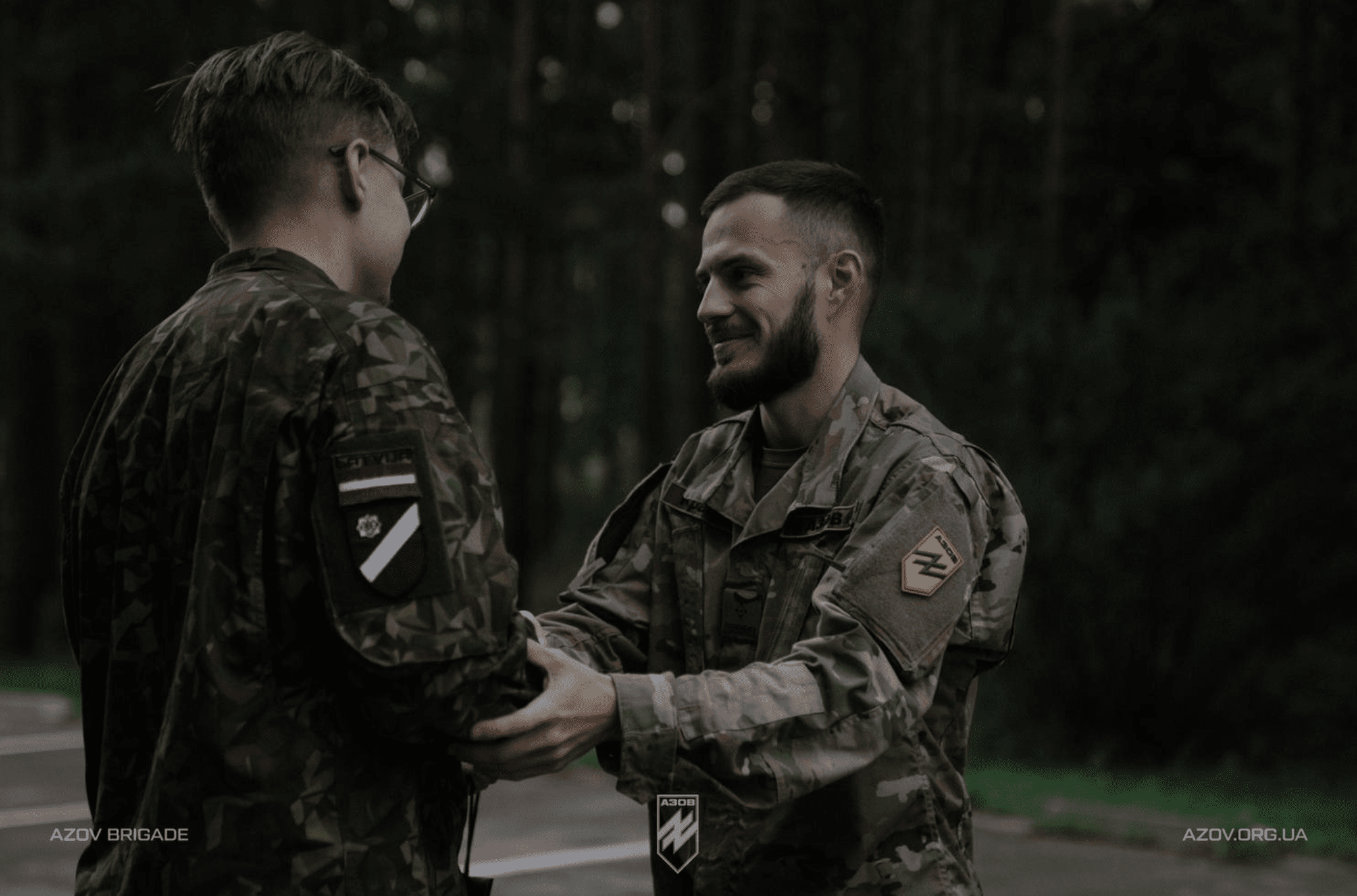
Fighters of Ukraine’s Azov Brigade operated as an allied unmanned systems unit under Latvia’s 1st Riga Brigade during NAMEJS 2026 , an annual nationwide exercise, sharing Ukrainian drone warfare expertise with NATO allies.
This was reported by the press service of the 12th Azov Special Purpose Brigade of Ukraine’s National Guard in a press release on November 12.
We bring you stories from the ground. Your support keeps our team in the field.
According to the press service, the Azov fighters trained alongside the Latvian National Guard for three days. Service members from Sweden, Denmark, and Lithuania also joined the drills.
The press release noted that the Azov personnel served within the 1st Riga Brigade of the Latvian National Guard as an allied unmanned systems unit. The unit included FPV, Mavic, and heavy-bomber drone crews, a strike-and-reconnaissance ground robotic system, and a command group.
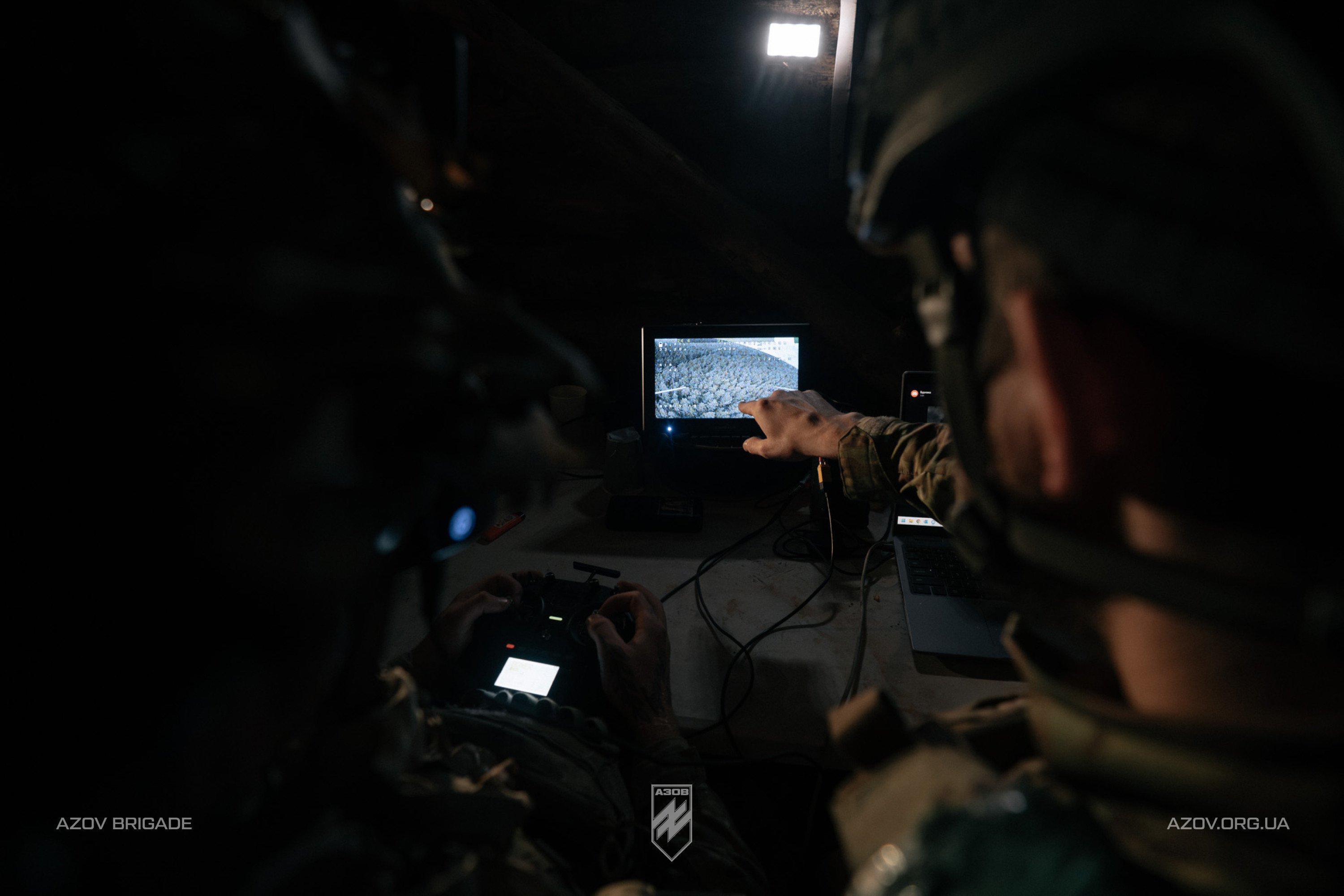
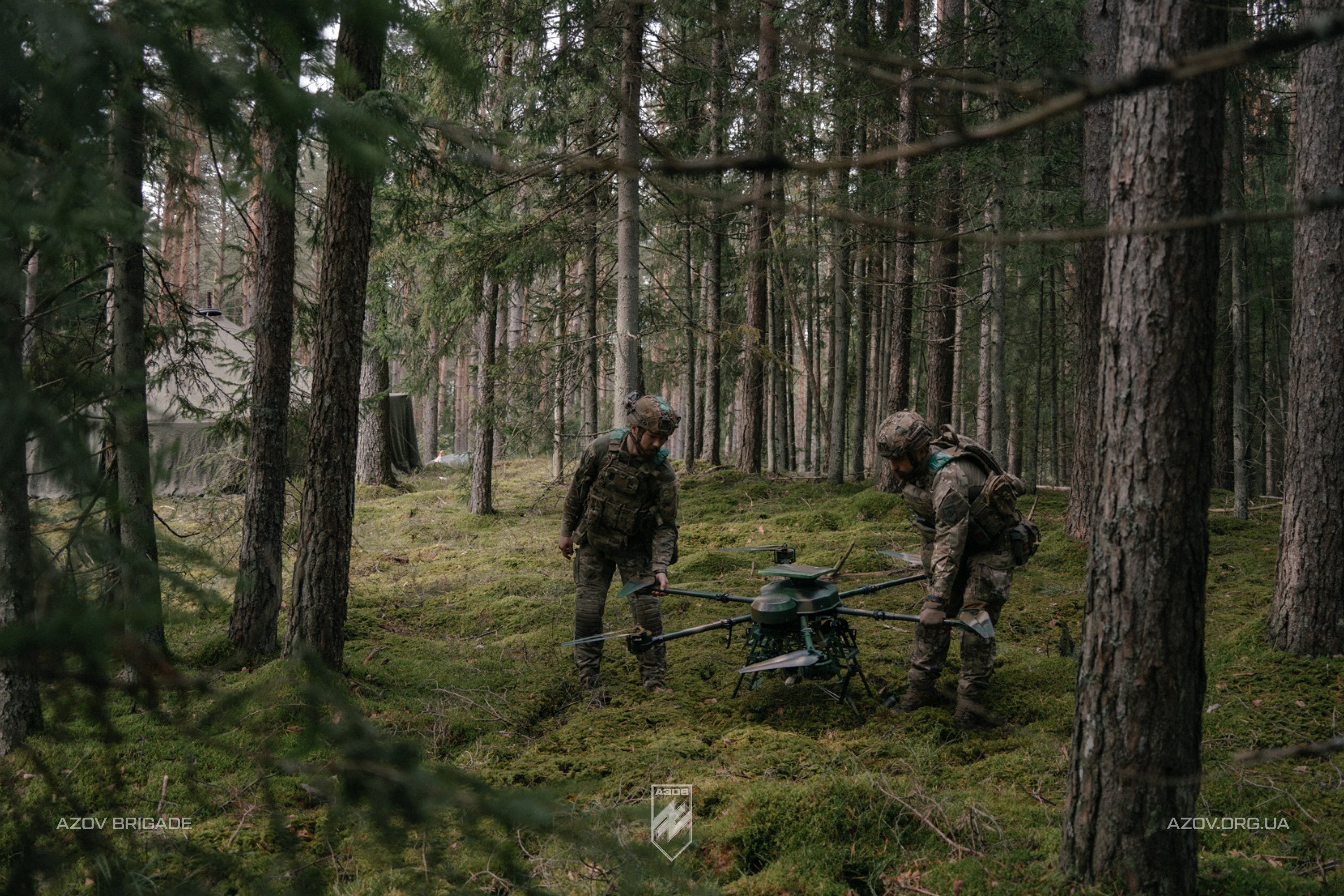
The brigade explained that the aim was to show in practice how a reconnaissance-strike complex built on unmanned systems works in modern warfare.
The Azov press service quoted Lieutenant Colonel Eriks Keisters, commander of the 1st Riga Brigade of the Latvian National Guard. “I believe we can take a lot from you and learn from you. One of our main tasks is defending Latvia’s capital, Riga. We are also interested in your technical skill in using drones,” he stated.
The press service added that Azov’s participation reflects recognition of the professionalism of Ukrainian service members, who share their experience of confronting Russian aggression with allies.

Ukrainian drone expertise has increasingly been tested in allied training. During the Combined Resolve 26-07 exercise at the Hohenfels Training Area in Bavaria in spring 2026, personnel from Ukraine’s 412th Regiment of Unmanned Systems Forces, known as Nemesis, reinforced the opposing force facing the US Army’s 3rd Armored Brigade Combat Team, 1st Cavalry Division.
Drones and drone-enabled strikes accounted for roughly 70% of the brigade’s simulated casualties in the first three days. By the end of day three, that share had fallen below 30%, even though enemy drone activity had not eased. Over the roughly 10-day exercise, enemy drones initiated contact with the brigade’s units more than 750 times.
Discuss this article: