- Category
- World
Russia’s Gold Reserves Hit Lowest Level Since 2019 as War Costs Drain State Finances
 Prefer U24 Media on Google
- Authors



Russia is drawing down its gold reserves to cover a widening budget deficit, according to Ukraine’s Foreign Intelligence Service (SZRU) on October 28. The growing financial pressure stems from declining oil and gas revenues and rising government spending, including expenditures on the war against Ukraine.
The agency reported that Russia’s Central Bank reduced its physical holdings of monetary gold for the tenth consecutive month in September 2026. During the month, reserves fell by 6.2 metric tons to approximately 2,260 tons, their lowest level since late 2019.
We bring you stories from the ground. Your support keeps our team in the field.
Since December 2025, Russia’s gold holdings have declined by approximately 62 tons, representing a 2.7% reduction, according to the intelligence service.
The decline comes amid a broader reduction in Russia’s international reserves. As of October 9, their total value stood at approximately $723.5 billion, down $45.5 billion, or 5.9%, from the beginning of September.
Between September and October, the dollar value of Russia’s monetary gold holdings also decreased from $333.5 billion to $301.6 billion. The SZRU attributed the decline not only to the reduction in physical gold reserves but also to fluctuations in market prices and the revaluation of assets.

According to Ukrainian intelligence, the Russian government has increasingly relied on accumulated reserves to address its growing budget deficit.
“Oil and gas revenues are declining, while government spending, particularly on the war against Ukraine, remains high. To cover the funding shortfall, Russia’s Ministry of Finance sells foreign currency and gold assets from the National Wealth Fund to the Central Bank in exchange for rubles. The Central Bank then conducts corresponding transactions on the domestic market using Chinese yuan and gold,” the statement read.
However, the SZRU noted that Russia’s ability to access its reserves remains constrained by international sanctions imposed following its full-scale invasion of Ukraine.
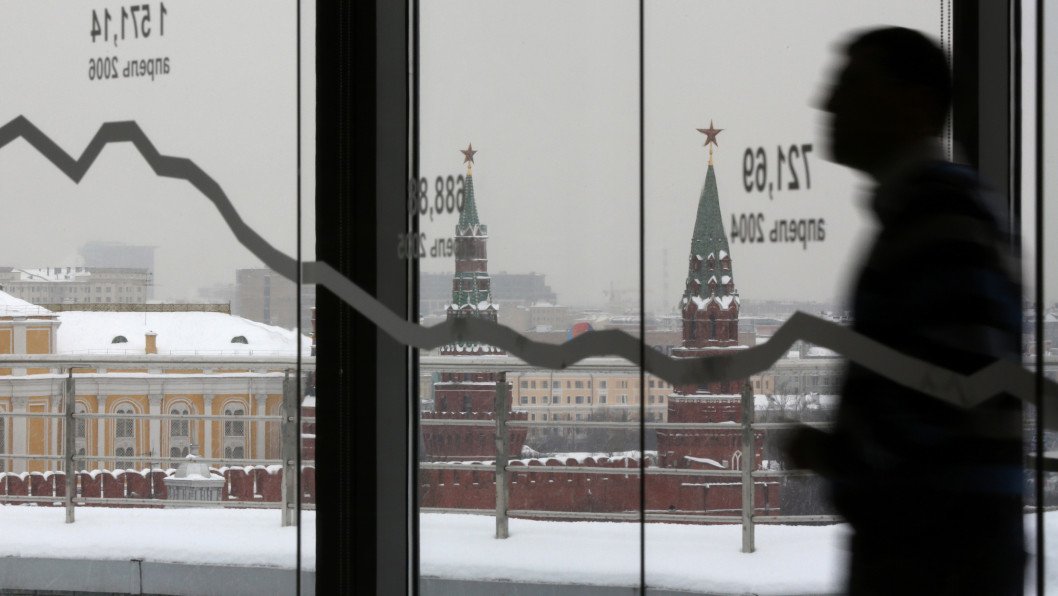
A substantial portion of the Russian Central Bank’s foreign assets has been frozen since 2022, leaving domestically held gold and yuan-denominated assets among the more accessible resources for financial operations.
As a result, the agency emphasized that the total value of Russia’s international reserves does not accurately reflect the amount of funding immediately available to the Russian government.
While selling reserve assets allows Moscow to temporarily sustain government spending without immediately increasing borrowing or reducing expenditures, the intelligence service warned that such measures cannot replace stable sources of revenue.

If the budget deficit persists and reserves are not replenished, Russia could face increasing pressure to borrow more, raise taxes, or reduce government programs to maintain its financial commitments.
“The decline in gold reserves reflects mounting financial constraints on Russia. The war is consuming government resources, while falling revenues are forcing the Kremlin to draw on its accumulated reserves. As these reserves continue to shrink, financing current expenditures without increasing debt, raising taxes, or cutting spending will become increasingly difficult,” SZRU added.
The pressure on Russia’s finances is also reflected in the scale of its military expenditures. Russia spends more than $200 billion annually on its war against Ukraine, an amount that appears to represent the upper limit of what Moscow and its economy can currently sustain as sanctions continue to restrict additional revenue generation.
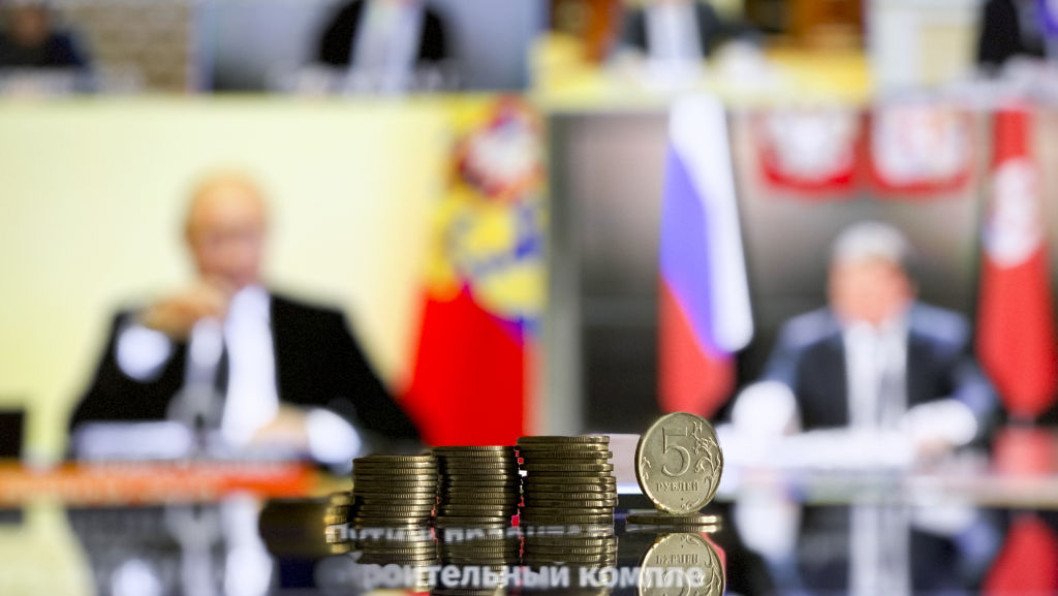
Concerns over Russia’s fiscal position have also emerged in assessments of its proposed federal budget for 2027–2029.
On October 22, Ukraine’s Foreign Intelligence Service reported that the draft budget contained significant discrepancies, insufficiently substantiated revenue forecasts, and substantial amounts of spending without clearly defined allocations.
Citing findings by Russia’s Accounts Chamber, the agency said that supporting documentation for $288.24 billion in expenditures, representing 77% of the publicly disclosed portion of the 2027 federal budget, was inconsistent with the draft’s financial parameters.
The documents also lacked supporting calculations for 13 revenue categories totaling $9.72 billion, raising further questions about the reliability of the government’s budget projections.
Discuss this article: