- Category
- World
Russia’s Hermitage Cancels All Expeditions to Temporarily Occupied Crimea Following Wave of Strikes
 Prefer U24 Media on Google
- Authors

-c439b7bd9030ecf9d5a4287dc361ba31.jpg "Photo of Katherina Popilnichenko")
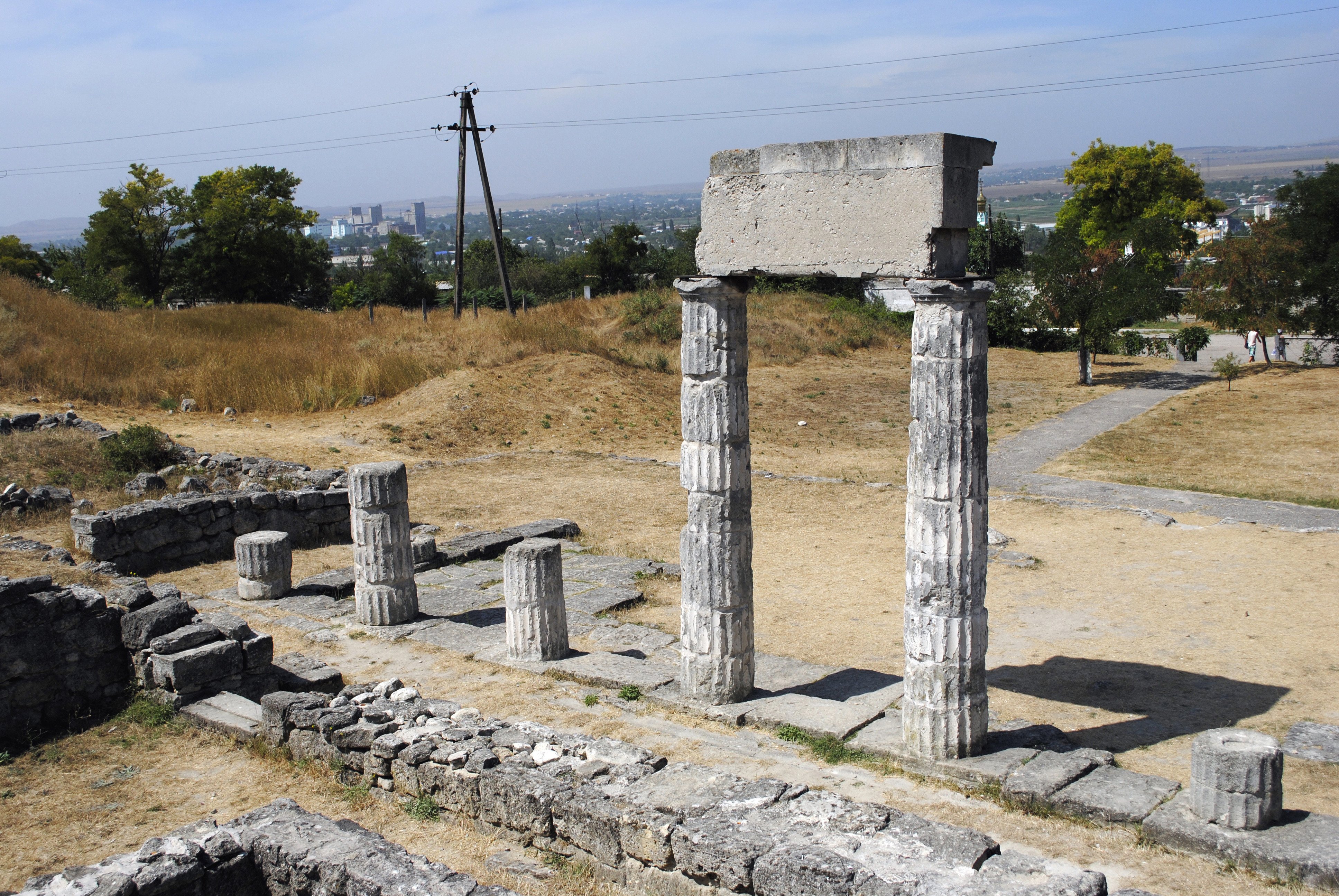
The State Hermitage Museum in Russia has canceled all planned archaeological expeditions to temporarily occupied Crimea after a series of successful military strikes led to the declaration of a state of emergency on June 26.
The decision forces the relocation of long-standing excavations, including the Myrmekion expedition led since 1999 by archaeologist Alexander Butyagin, whom Ukrainian authorities are prosecuting for the destruction of cultural heritage valued at over $4.9 million, according to Babel.
We bring you stories from the ground. Your support keeps our team in the field.
Following recent strikes that destroyed the Chongar bridge and a railway bridge over the North Crimean Canal, occupation authorities introduced severe restrictions on June 21, 2026. These measures completely banned fuel sales to civilians, implemented rolling blackouts, and closed all children’s camps for the summer.
Alexander Butyagin himself informed Russian media about the museum's decision to halt operations on the peninsula. A few days prior to the official announcement, the social media group for the Myrmekion expedition posted a notice stating that their fieldwork would be moved to the Prikubanye region "due to the worsening situation."
Crimea has historically served as a critical geopolitical and cultural crossroads, possessing a dense concentration of ancient archaeological sites. Beginning in the seventh century BCE, Greek colonists established major urban centers along the Black Sea coast, such as Chersonesos, Panticapaeum, and Myrmekion, which later formed the core of the Bosporan Kingdom.
The peninsula contains extensively preserved stratigraphic layers from the Hellenistic, Roman, and Byzantine periods, making the region a primary subject of international study regarding classical antiquity in Eastern Europe.
The cancellation marks a major disruption to Russian state-sponsored activities on the peninsula. This territory has increasingly come under fire as part of a targeted 40-day campaign by Ukrainian forces affecting Russian air defense systems, ferry crossings, and two naval vessels near the Crimean Bridge.
The suspension of the expeditions highlights the broader security crisis unfolding across the temporarily occupied territory. Recent Ukrainian operations have successfully hit major infrastructure targets, including the main electrical substation in Sevastopol and an oil depot in Kerch.
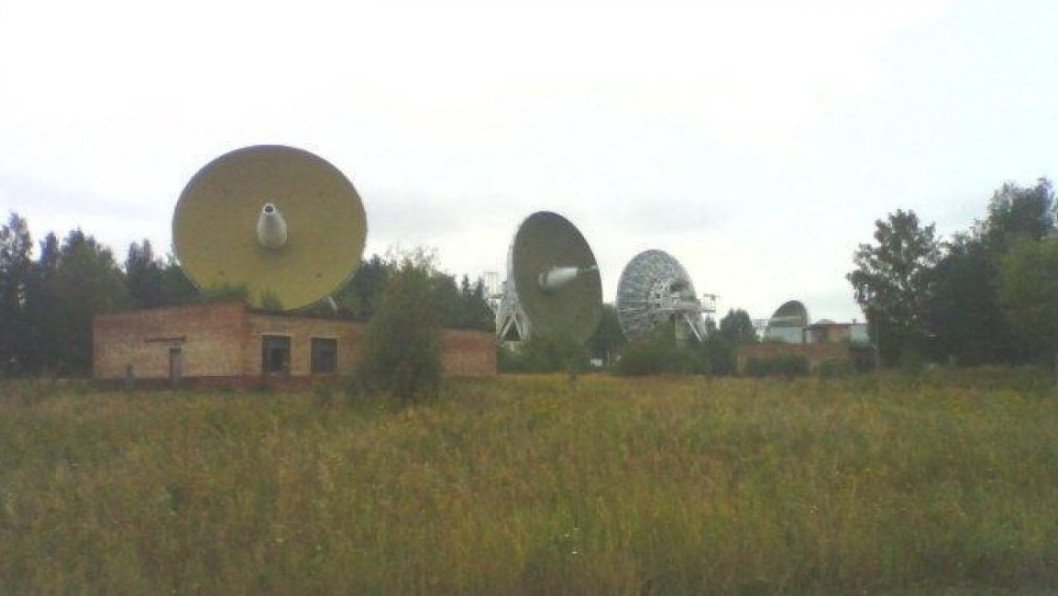
In response to the growing vulnerability of the peninsula, the Russian occupation administration has moved to restrict civil life, citing safety concerns as the primary driver behind the immediate shutdown of youth recreation camps and the strict rationing of local fuel supplies.
The situation also links back to an ongoing international legal battle over Crimean cultural property. Butyagin was originally detained in Warsaw on December 4, 2025, following an extradition request from Ukrainian prosecutors who accuse him of conducting illegal excavations at the ancient site of Myrmekion.
Following his arrest at Ukraine's request for causing over $4.9 million in damage to the ancient settlement of Myrmekion, he was ordered held for 40 days while Warsaw reviewed the extradition request that carried a potential 10-year prison sentence.
In response, Kremlin spokesperson Dmitry Peskov labeled the detention "legal arbitrariness" and warned Russian nationals to avoid traveling to Poland due to systemic hostility in Warsaw, while Foreign Ministry spokesperson Maria Zakharova threatened repercussions and claimed the cultural heritage case was entirely politically motivated.
Discuss this article: