- Category
- World
Russia’s Hybrid War May Have Reached Europe’s Freezer Aisles as Cyberattacks Hit Nine EU Countries
 Prefer U24 Media on Google
- Authors


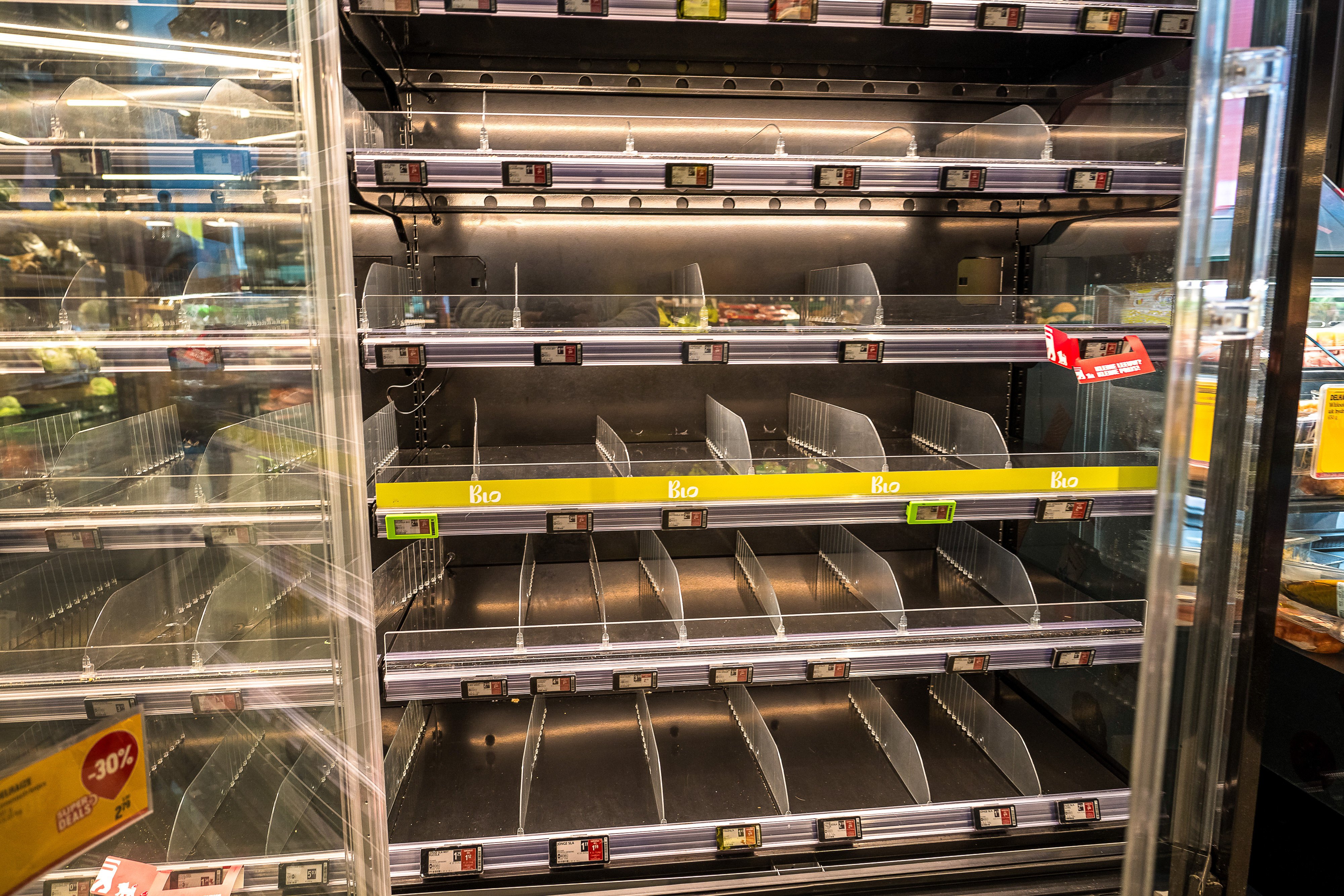
A series of cyberattacks targeting supermarket refrigeration systems across at least nine European Union countries has raised concerns about the vulnerability of critical infrastructure, according to POLITICO on November 3.
Cybersecurity experts have suggested that the incidents may be linked to Russia’s ongoing hybrid warfare activities against Europe.
We bring you stories from the ground. Your support keeps our team in the field.
The latest attacks occurred on November 2, disrupting refrigeration and freezer systems in supermarkets across Belgium, Luxembourg, Sweden, Germany, Ireland, the Netherlands, Estonia, Finland, and Romania.
According to local media reports and representatives of affected supermarket chains cited by POLITICO, refrigeration equipment malfunctioned in multiple stores, marking the second major wave of similar incidents in recent weeks.
The disruptions followed cyberattacks against French supermarkets on October 11–12, raising concerns about a coordinated campaign targeting European food supply infrastructure.

The incidents have also drawn the attention of senior European Commission security officials, who are expected to investigate the attacks.
EU Agriculture and Food Commissioner Christophe Hansen described the incidents as a “deliberate attempt to disrupt our food supply chain,” according to POLITICO.
Despite growing concerns about the potential involvement of a state-backed cyber group, authorities have not established who was responsible for the attacks.
Determining the origin of cyber operations remains a complex process, often requiring extensive technical investigations. Even when evidence points toward a particular actor, governments may refrain from publicly assigning responsibility because of diplomatic, political, or intelligence considerations.

“It is not known who is behind this attack, and it may never be possible to identify them,” a spokesperson for Belgium’s cybersecurity agency said.
Nevertheless, several cybersecurity specialists have suggested that the nature of the attacks and the technical capabilities involved could indicate Russian involvement, POLITICO reported.
Russia, alongside China, Iran, and North Korea, is considered one of the four countries most frequently associated with state-backed cyber operations targeting European countries.
However, experts cited by POLITICO believe the characteristics of the latest incidents make Russian involvement a particularly plausible explanation.
“We strongly believe this activity could be attributed to a Russian state-sponsored threat actor,” said Xavier Bellekens, CEO of cybersecurity company Lupovis.
According to Bellekens, researchers at his company collected data from attacks targeting simulated systems, known as honeypots, which are designed to attract malicious activity and help identify attackers' methods.
The findings reportedly suggest the involvement of a state-sponsored cyber group rather than less sophisticated attackers.
Bellekens explained that compromising industrial control systems and refrigeration technology requires specialized technical knowledge, describing the expertise involved as “not trivial.”

Researchers also identified connections between the infrastructure used in the attacks and servers previously associated with Russian cyber groups.
According to Bellekens, the servers used to target the honeypots had been employed by Russian groups in the past, providing another potential indication of their involvement.
The repeated nature of the attacks, including their occurrence across multiple countries and their focus on similar refrigeration systems, further strengthened suspicions of a coordinated operation.
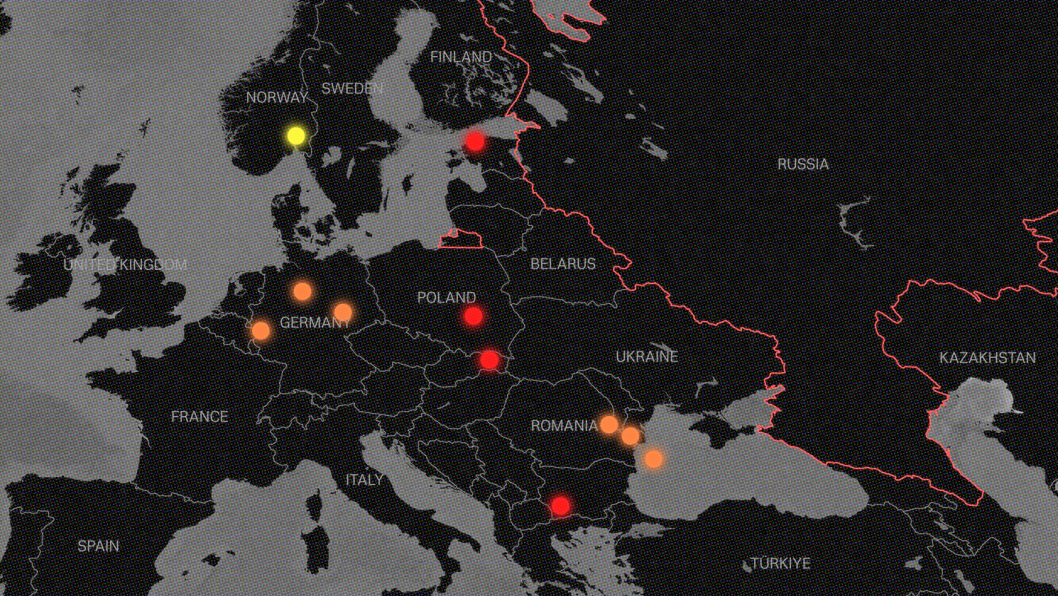
The incidents come amid broader concerns about Russia’s alleged efforts to intensify hybrid operations against European countries.
On October 20, The Wall Street Journal reported that Russian leader Vladimir Putin had directed an escalation of sabotage activities targeting NATO member states, citing three European officials familiar with US intelligence assessments.
According to the officials, the Kremlin’s reported decision was linked to Russia’s limited battlefield progress in Ukraine, increasingly damaging Ukrainian strikes against military and strategic facilities inside Russia, and Kyiv’s continued refusal to accept Moscow’s conditions for ending the war.
Discuss this article: