- Category
- World
Russia’s Southern Ports Lose More Than Half Their Agricultural Cargo, Ukrainian Intelligence Reports
 Prefer U24 Media on Google
- Authors



Cargo traffic through Russia’s southern ports has nearly halted amid deteriorating security in the Azov–Black Sea basin, while Moscow has refused requests for financial assistance, Ukraine’s Foreign Intelligence Service (SZRU) reported on November 9.
According to Ukrainian intelligence, Russia has redirected a significant share of cargo shipments toward northwestern ports as security risks disrupt southern maritime operations. In September, cargo handling volumes at some southern terminals fell by 95–100%.
We bring you stories from the ground. Your support keeps our team in the field.
The disruption has particularly affected grain and agricultural exports, which traditionally account for a substantial share of southern port traffic. During July and August, agricultural cargo handling dropped from 7.9 million tonnes in the corresponding period of 2025 to 3.8 million tonnes in 2026, a decline of more than 50%.
Regional authorities and port operators have unsuccessfully requested extensive financial assistance from the Russian federal government. Their proposals include wage subsidies, compensation for equipment maintenance, preferential loans, tax and rent deferrals, and expanded insurance coverage against war-related risks.
According to the SZRU, some port employees have already lost their jobs or been transferred to reduced working schedules. The agency estimates that compensating port operators for labor costs alone would require between $78.4 million and $95 million annually from Russia’s federal budget.

Russian authorities have also rejected or restricted other proposed support measures. The Russian Finance Ministry maintained that it cannot administratively determine the terms of war-risk reinsurance, while rent payments for federal property may incur additional charges.
Under the proposed arrangement, businesses seeking rent deferrals would face an annual interest rate equivalent to Russia’s central bank key rate plus 5.18 percentage points.
Ukrainian intelligence attributed Moscow’s reluctance to provide financial assistance to the growing burden of war expenditures on Russia’s federal budget. The agency assessed that the disruption of southern maritime exports is creating further economic losses for port operators already struggling with reduced cargo volumes and rising security-related costs.
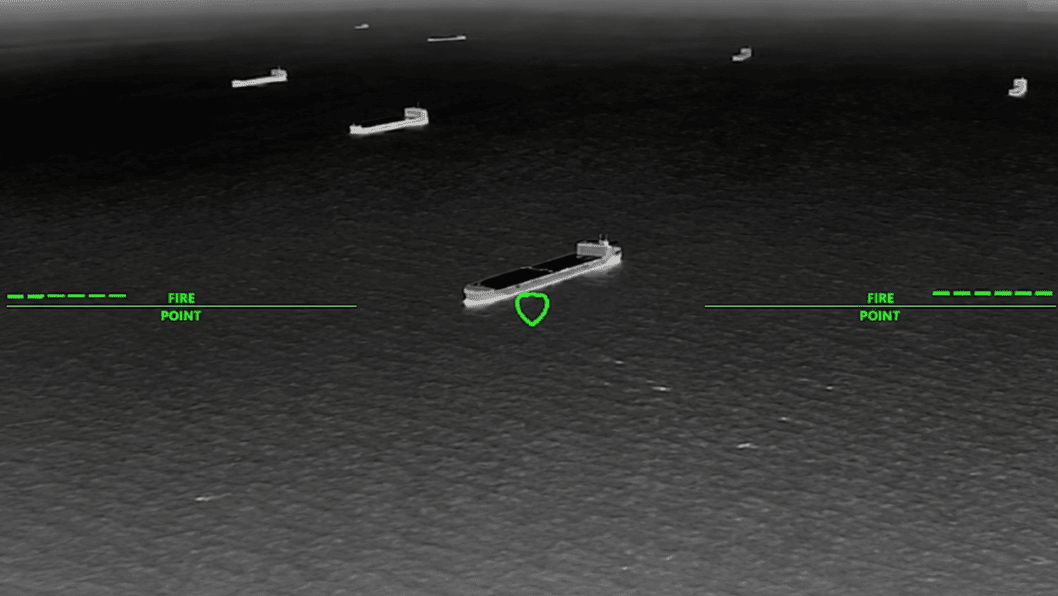
The paralysis of southern ports follows a sustained Ukrainian drone campaign in the Sea of Azov, which targeted 105 Russian vessels within eight days in July, including tankers, tugboats, ferries, and cargo ships.
In response, Russia temporarily suspended navigation through the Don–Azov Canal and stopped processing applications for passage through the Kerch Strait. With Black Sea terminals disrupted, Russian grain exporters have begun exploring transit routes through China, as projected exports fell from a planned 59 million tons to 39 million tons, leaving an estimated 20 million tons without buyers. Over-supply has already cut grain prices in southern Russia roughly in half.
Discuss this article: