- Category
- World
Serbia and NATO Launch First-Ever Joint Military Drills
 Prefer U24 Media on Google
- Authors

-72b63a4e0c8c475ad81fe3eed3f63729.jpeg "Photo of Cyril Barabaltchouk")
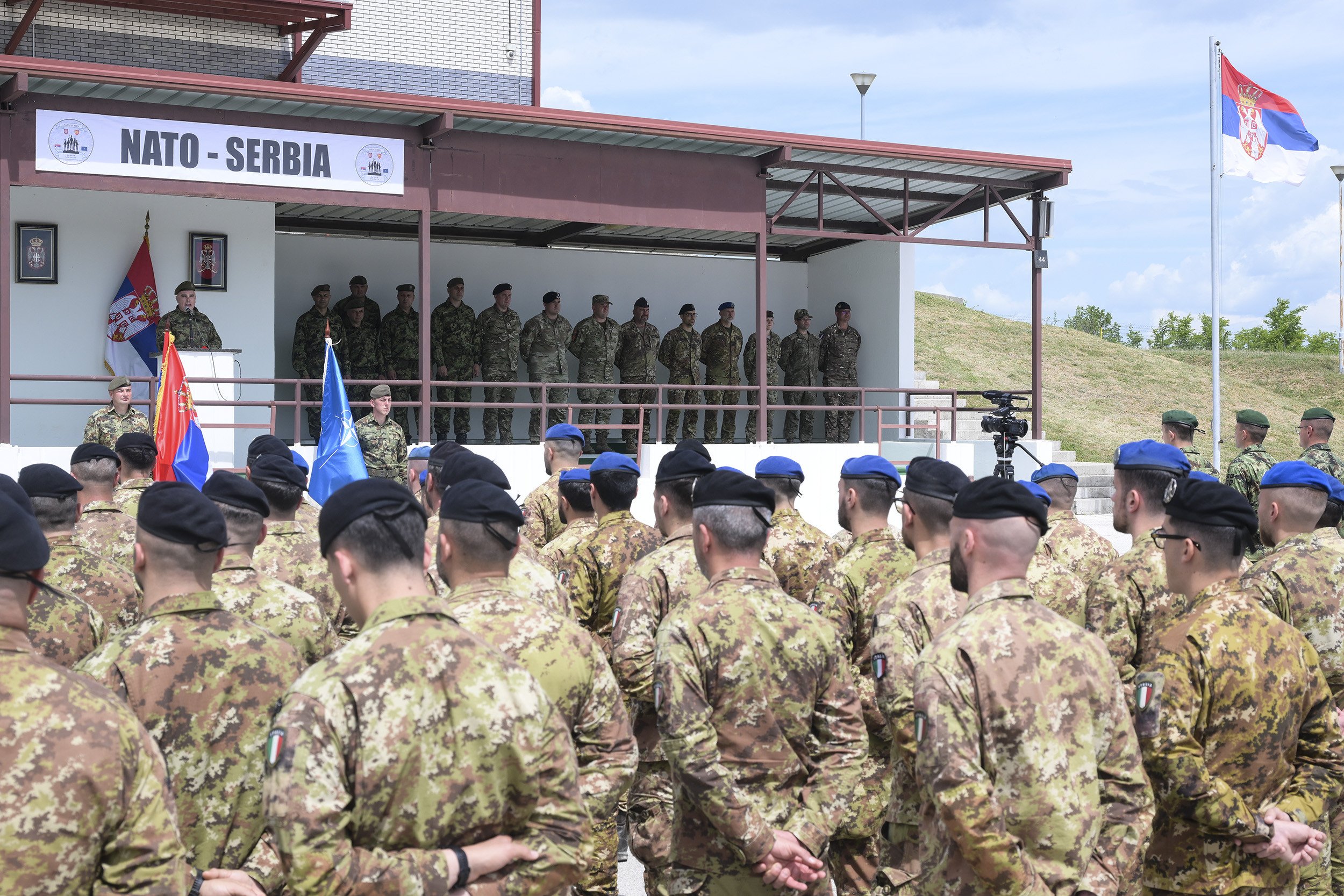
Serbia and NATO commenced their first-ever joint military exercise, bringing roughly 600 troops to the Bujanovac region for two weeks of peace-support simulations, NATO announced in a press release on May 12.
The drills, officially dubbed “Serbia Exercise 2026” (NSE26), are taking place at Military Base South and the Borovac Training Area. Forces from Serbia, Italy, Romania, and Türkiye will practice urban combat, base defense, and mass crowd control without the use of live ammunition, according to the alliance.
We bring you stories from the ground. Your support keeps our team in the field.
While hosting the NATO-led exercises, the Serbian government publicly reiterated its commitment to non-alignment. The Serbian Ministry of Defense emphasized in a domestic broadcast that the exercise strictly respects the country’s stated policy of “military neutrality” and was carried out following an explicit resolution by the Government of the Republic of Serbia.
Planning for the historic drill began in early 2025, led jointly by the Serbian Armed Forces and NATO’s Allied Joint Force Command Naples.
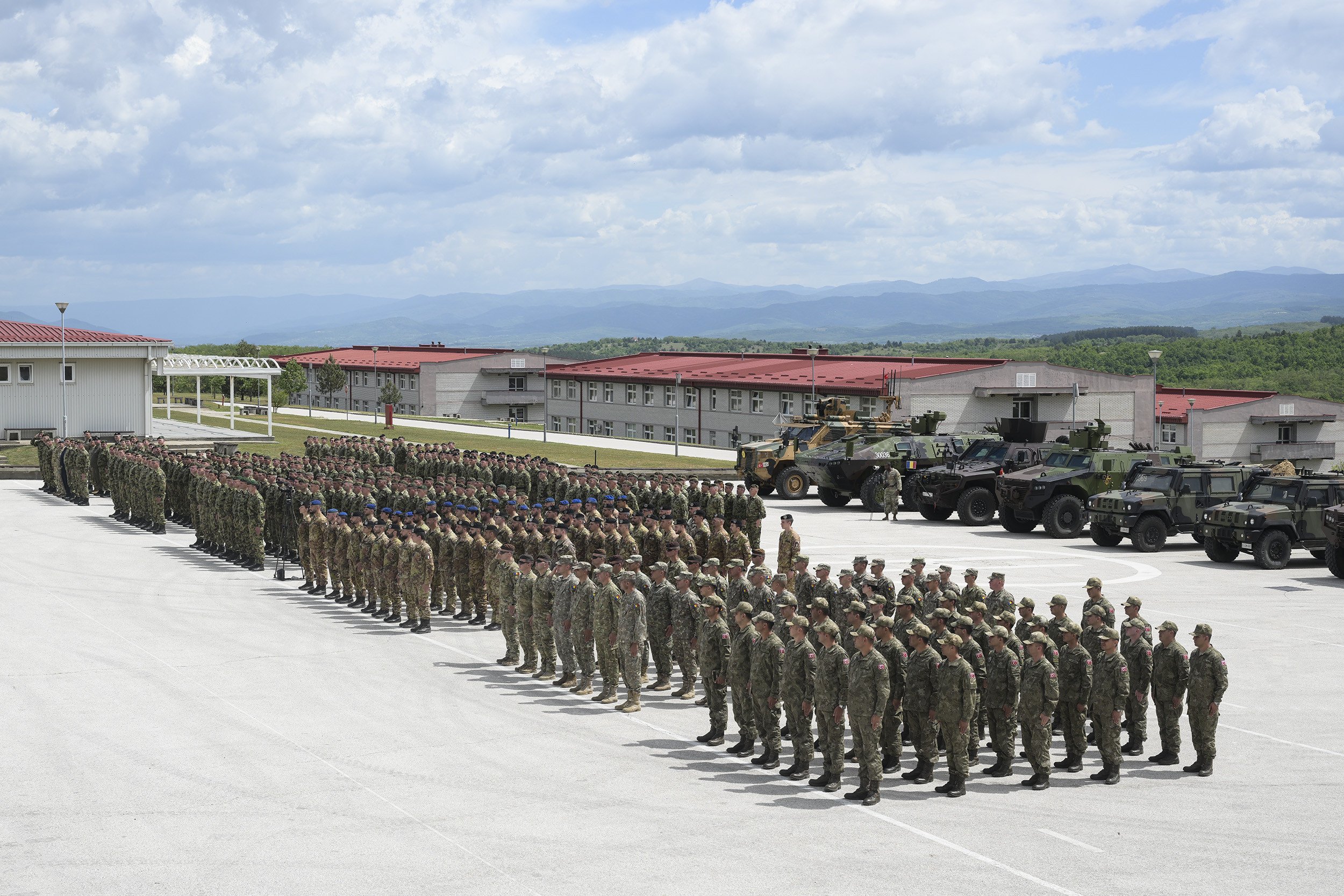
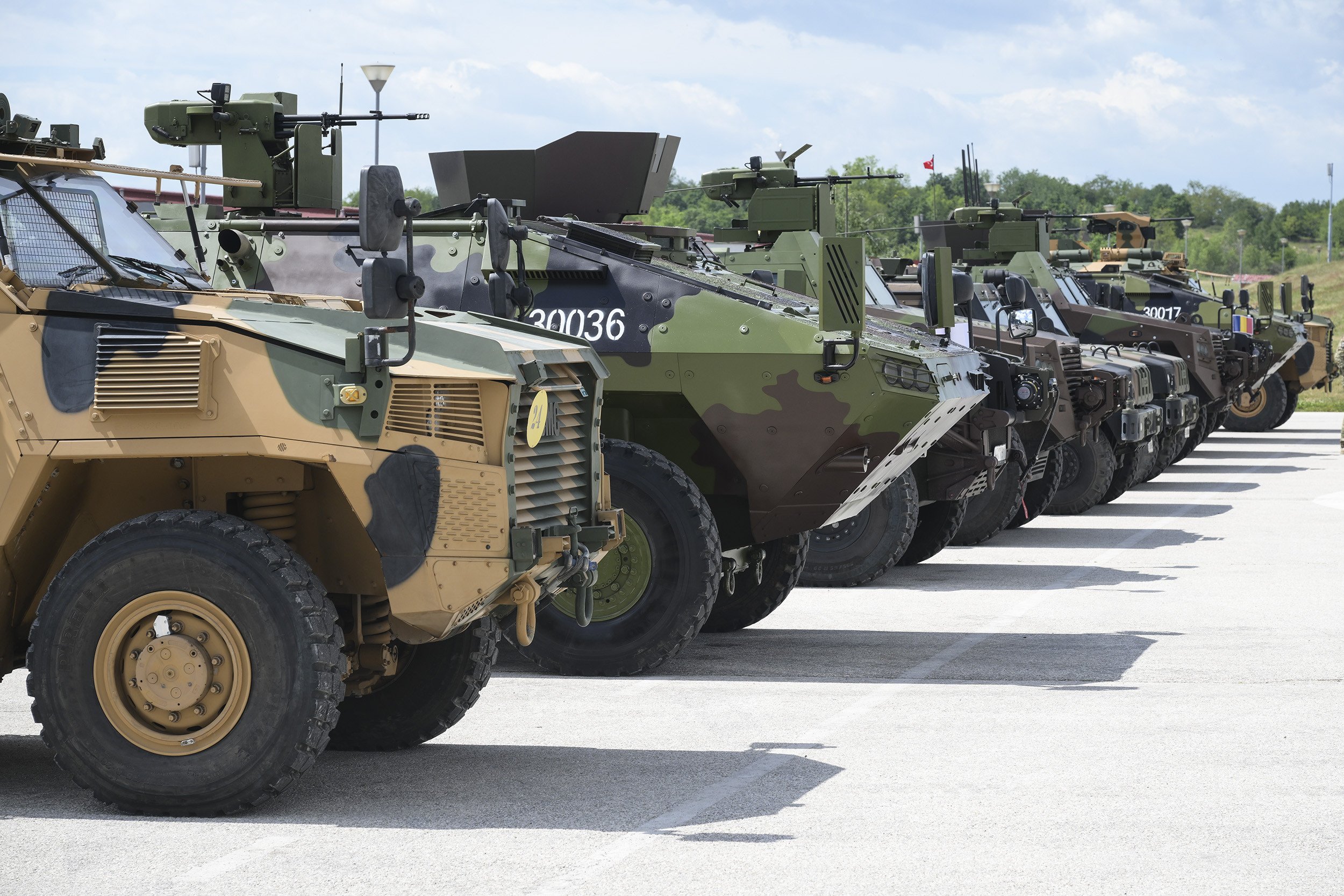
“The NATO-Serbia exercise represents an opportunity to train, shoulder by shoulder with colleagues from NATO countries, to execute tasks related to peace support operations and to learn from each other,” Col. Branislav Stevanovic, the Serbian exercise director, told NATO representatives at the opening ceremony.
Military planners and observers from the United States, the United Kingdom, France, Germany, and Montenegro are also attending the event, NATO noted. While Serbia formally joined NATO's Partnership for Peace program in 2006 and hosted a civilian emergency drill in 2018, NSE26 marks the first formal military exercise between the Western alliance and Belgrade.
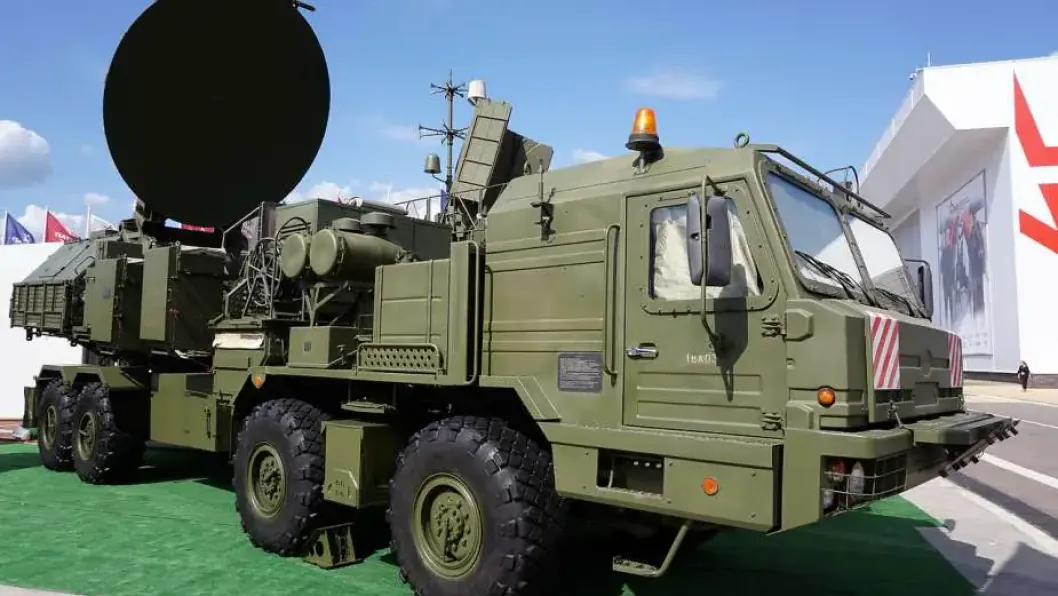
Serbia’s participation in the NATO drills contrasts with its historic diplomatic ties to Moscow and its past conflict with the Western alliance. Public skepticism toward the Western bloc remains high in Serbia, largely stemming from NATO's 1999 bombing campaign of Yugoslavia during the Kosovo War, which continues to shape Belgrade’s stated policy of “military neutrality.”
Consequently, the Serbian government frequently oscillates between Western integration and maintaining strong ties with Russia. In 2025, Serbian President Aleksandar Vučić was one of the only European leaders to join Russian leader Vladimir Putin in Moscow for Russia’s Victory Day celebrations. Furthermore, Vučić has openly boasted about being the only European leader to refuse to impose sanctions against the Russian Federation, highlighting Serbia’s reliance on Russian energy and its geopolitical positioning.
Discuss this article:

-111f0e5095e02c02446ffed57bfb0ab1.jpeg "Photo of Roman Kohanets")