- Category
- World
Tax Hikes, Weak Demand, and Expensive Credit Are Crushing Russian Small Businesses
 Prefer U24 Media on Google
- Authors


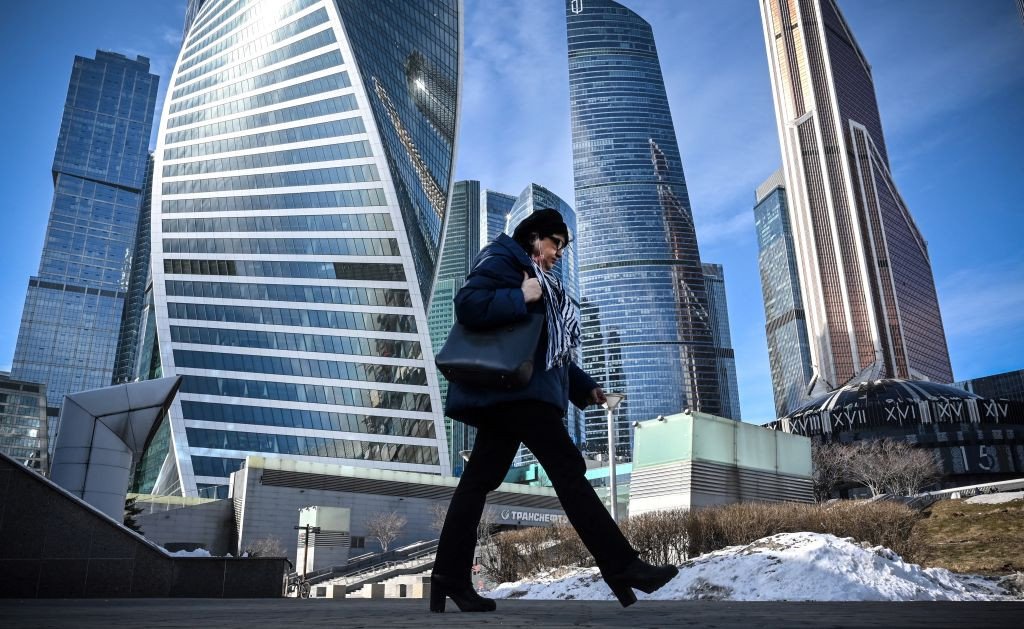
More than one in four Russian small-business owners are considering downsizing or closing their companies after the government increased their tax burden, The Moscow Times reported on November 12.
The pressure follows a change introduced on January 1, 2026, when Russia lowered the annual revenue threshold for simplified-tax-system businesses required to pay VAT from 60 million rubles ($726,000) to 20 million rubles ($242,000).
We bring you stories from the ground. Your support keeps our team in the field.
According to a Russian Chamber of Commerce and Industry survey cited by The Moscow Times, 27% of entrepreneurs are considering reducing or shutting down their businesses. Another 26% plan to restrain growth to avoid crossing the new threshold, while 24% expect to split their businesses into smaller entities.
Only 23% of respondents plan no changes to their operations. The higher tax burden is also affecting pricing and payment practices, with 29% raising prices and 25% shifting toward cash payments.
Another 32% have kept prices unchanged at the expense of profits, while only 14% reported maintaining a balance between costs and profitability, The Moscow Times noted.
Some businesses have moved to Russia’s automated simplified taxation system, an experimental regime for microbusinesses with annual revenue of up to 60 million rubles ($726,000) and no more than five employees.
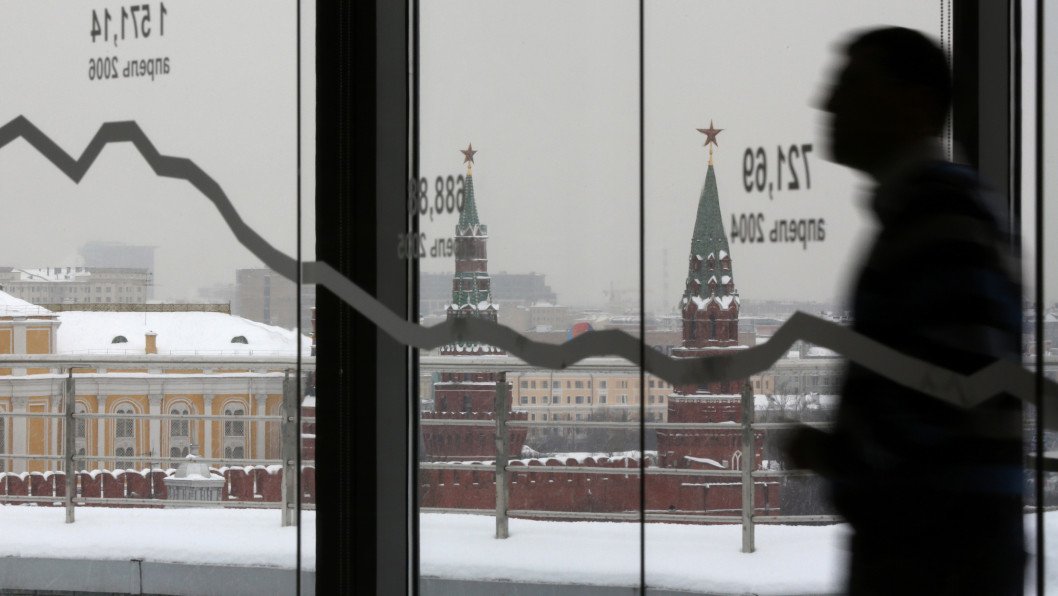
Mikhail Parkhomenko, an expert at Kontur.Extern, warned that even businesses currently planning no changes could eventually consider closing, splitting operations, or limiting growth once their financial reserves or credit lines are exhausted.
“At first, a company postpones buying equipment, then cancels the opening of a new location, and later limits hiring. It remains in the registry, but operations and investment are already shrinking,” Rodionoff Group managing partner Ivan Rodionov stated, The Moscow Times reported.
The pressure is especially acute in retail, food service, consumer services, and manufacturing, where businesses have limited ability to pass higher costs on to customers. Andrey Shubin, executive director of Opora Russia , noted that weak purchasing power and stronger competition mean price increases often lead to lost customers rather than restored profitability.
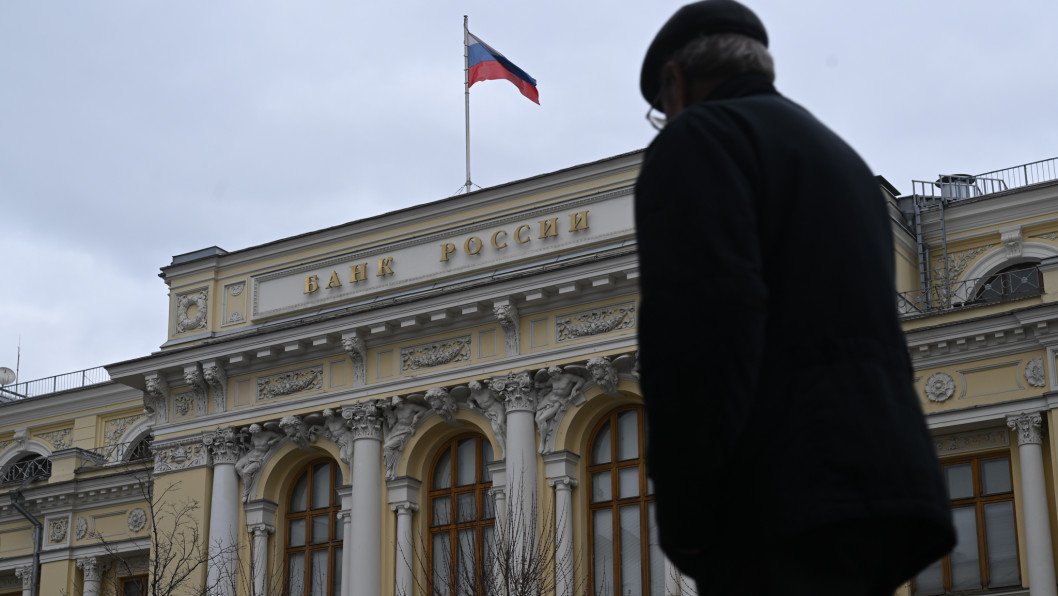
The tax pressure is also feeding into a broader pullback in business investment. According to Opora Russia data cited by The Moscow Times, 83.2% of entrepreneurs refrained from investing in fixed assets in August and September, indicating that many small businesses are already cutting expansion before formally closing.
Russia’s worsening business climate is already translating into a broader rise in insolvencies. In the first nine months of 2026, nearly 5,400 Russian companies were declared bankrupt, up 13.3% year on year, while new corporate insolvency cases rose 23.6%.
Discuss this article: