- Category
- World
Russian Investment Falls 4.6% as Kremlin's New Tax Plans Spark Business Alarm
 Prefer U24 Media on Google
- Authors



Russia’s largest business association has demanded revisions to the Kremlin’s proposed tax increases, warning that additional financial pressure could accelerate capital flight and deepen an investment downturn, Ukraine’s Foreign Intelligence Service (SZRU) reported on October 27.
We bring you stories from the ground. Your support keeps our team in the field.
Alexander Shokhin, president of the Russian Union of Industrialists and Entrepreneurs (RSPP), appealed to Russian Prime Minister Mikhail Mishustin to amend the tax bills before their final reading. According to Ukrainian intelligence, the association argued that the measures would increase the burden on companies and violate the government's pledge to maintain stable taxation through 2030.
One major point of contention is a proposed 30% tax on windfall profits in the mining industry, expected to generate approximately $8.3 billion between 2027 and 2029, according to the SZRU. Instead, the RSPP proposed temporarily increasing the corporate profit tax rate from 25% by 0.5–1 percentage point, potentially generating between $5.9 billion and $11.9 billion.
The association also demanded an increase in the federal investment tax deduction ceiling from 3% to 10–12%. The intelligence service noted that investment in Russia's economy declined by 4.6% in real terms during the first half of 2026.
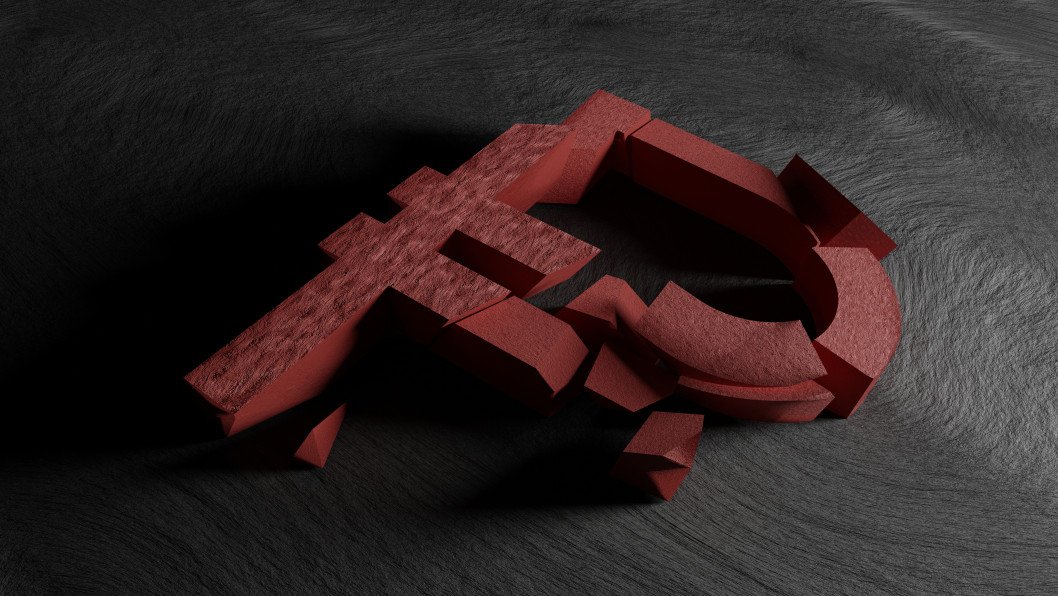
Another major concern involves taxation of passive income. According to the SZRU, the RSPP estimates that the combined tax burden on corporate profits and distributed dividends could reach 42%, making Russian financial instruments less attractive and increasing the risk of capital outflows.
Business representatives proposed limiting higher tax rates to three years, preserving exemptions for bank deposits and long-term investments, and adjusting tax thresholds for inflation.
The association also opposed a proposed 15% tax on investment funds. With profitability levels of 20–30%, the new levy could consume between 50% and 75% of profits, the intelligence service reported. The RSPP instead proposed taxing income at the investor level or postponing implementation.
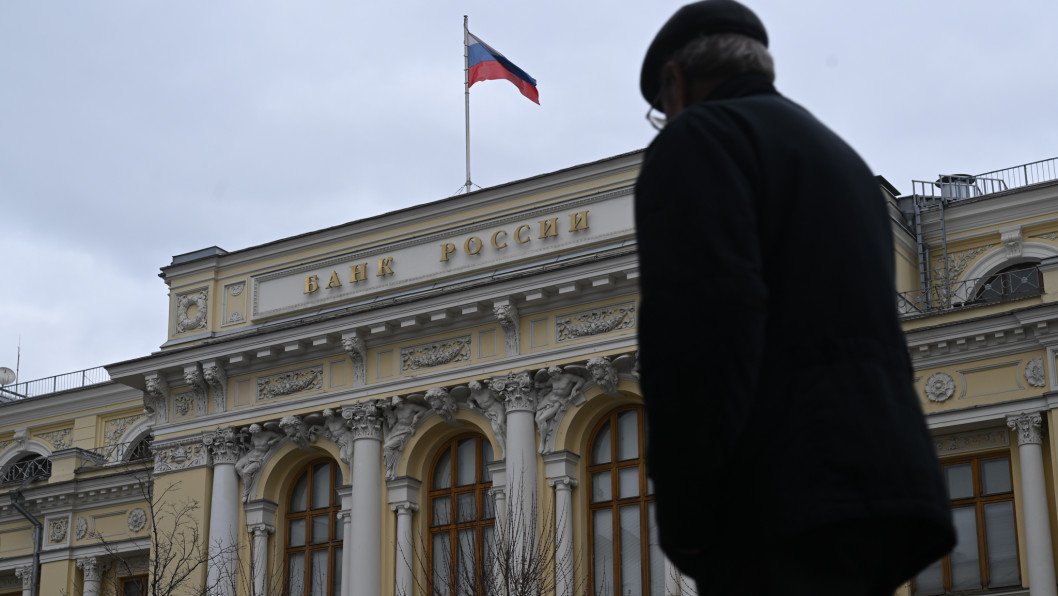
Russian businesses additionally requested tax relief for companies protecting their facilities against drone attacks. As detailed by the SZRU, proposed measures include property tax exemptions for protective structures and double deductions for mandatory expenses related to safeguarding critical infrastructure.
The business lobby's pushback comes as Moscow pursues a broader tax overhaul to cover record military spending and a widening budget deficit. The planned measures are expected to extract nearly $44 billion from individuals and businesses through 2029, with the maximum rate on passive personal income rising to 22% for about four million people.
Analyst estimates put Norilsk Nickel's additional payments at roughly $592 million, with aluminum producer Rusal facing about $462 million. The revenue drive coincides with plans to spend $202.6 billion on defense in 2027, 27% above the previously budgeted level and the highest since the full-scale invasion began in 2022.
Discuss this article: