- Category
- War in Ukraine
Russia’s Budget Deficit Surges to $82 Billion as Ukrainian Strikes Hammer War Economy
 Prefer U24 Media on Google
- Authors


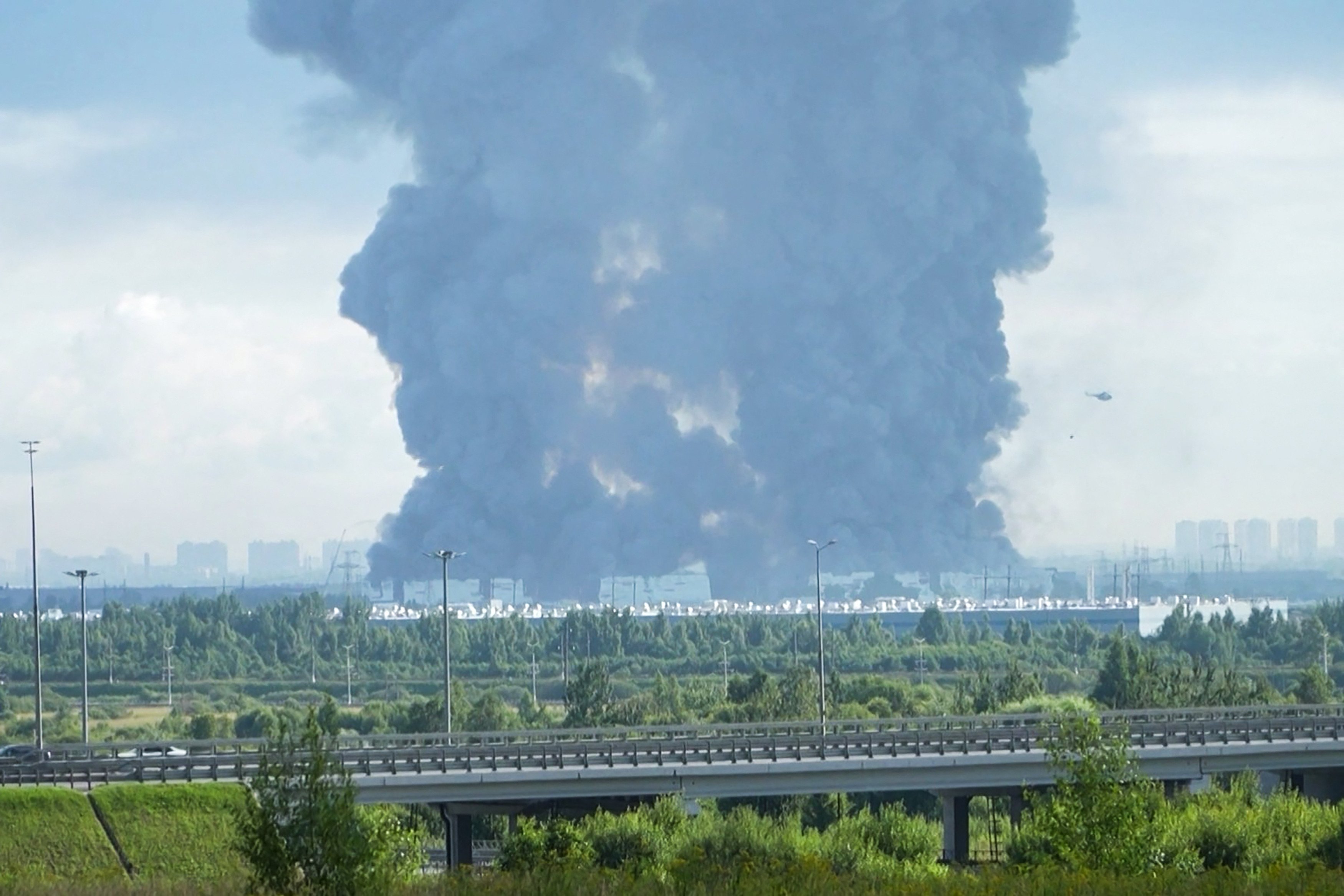
Ukraine’s strikes against targets deep inside Russia are increasingly damaging Moscow’s ability to sustain its war effort and contributing to a federal budget deficit that has reached $82 billion.
We bring you stories from the ground. Your support keeps our team in the field.
In an interview with Ukrinform published on September 7, Chief of Ukraine’s Defense Intelligence Oleh Ivashchenko said Ukrainian strikes are forcing Russia to halt production, repair damaged facilities, alter logistics, redeploy air defense systems, and spend additional resources.
“Our strikes are contributing to the growth of the Russian Federation’s budget deficit, which today stands at $82 billion,” Ivashchenko said.
He described the impact of Ukrainian attacks on Russia as “very critical,” saying Ukraine is targeting energy infrastructure that supplies Russian forces with fuel, logistics hubs, and facilities supporting the country’s military-industrial complex.
Ivashchenko said the broader objective of the campaign is not simply to demonstrate how far Ukrainian weapons can reach, but to reduce Russia’s capacity to manufacture weapons, supply its forces, and continue the war.
Russia’s finances have come under increasing pressure as the war continues. On September 3, Russian leader Vladimir Putin acknowledged that the country’s budget deficit was growing but insisted it remained manageable. Russia’s deficit reached 2.8% of GDP in January through July, while the government’s official target for the full year remains 1.6%.
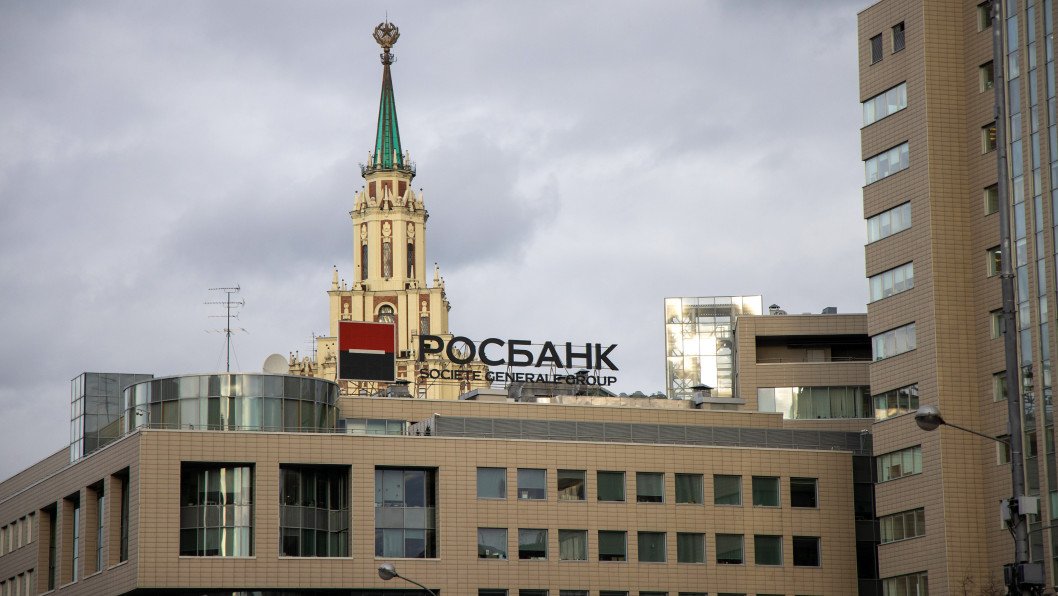
Ivashchenko also said Russia is now significantly weaker economically than it was at the beginning of the full-scale invasion, pointing to labor shortages, the expanding federal budget deficit, and worsening conditions in the banking sector.
Despite those pressures, Ukrainian intelligence assesses that Moscow still possesses enough resources to continue its war against Ukraine, potentially through 2027 and 2028.
Ivashchenko said further pressure—including Ukrainian strikes, sanctions, and efforts to restrict Russia’s access to foreign components, technologies, and industrial equipment—would be needed to further erode Moscow’s ability to finance and sustain the war.
Earlier, Russia’s central bank gold reserves fell to their lowest level in more than six years as Moscow increasingly relied on liquid reserve assets to meet rising budget demands.
Discuss this article:
-9a7b3a98ed5c506e0b77a6663f5727c5.png)