- Category
- World
Trump Reportedly Eyes Sanctions Relief for Russia in Exchange for Political Prisoners
 Prefer U24 Media on Google
- Authors


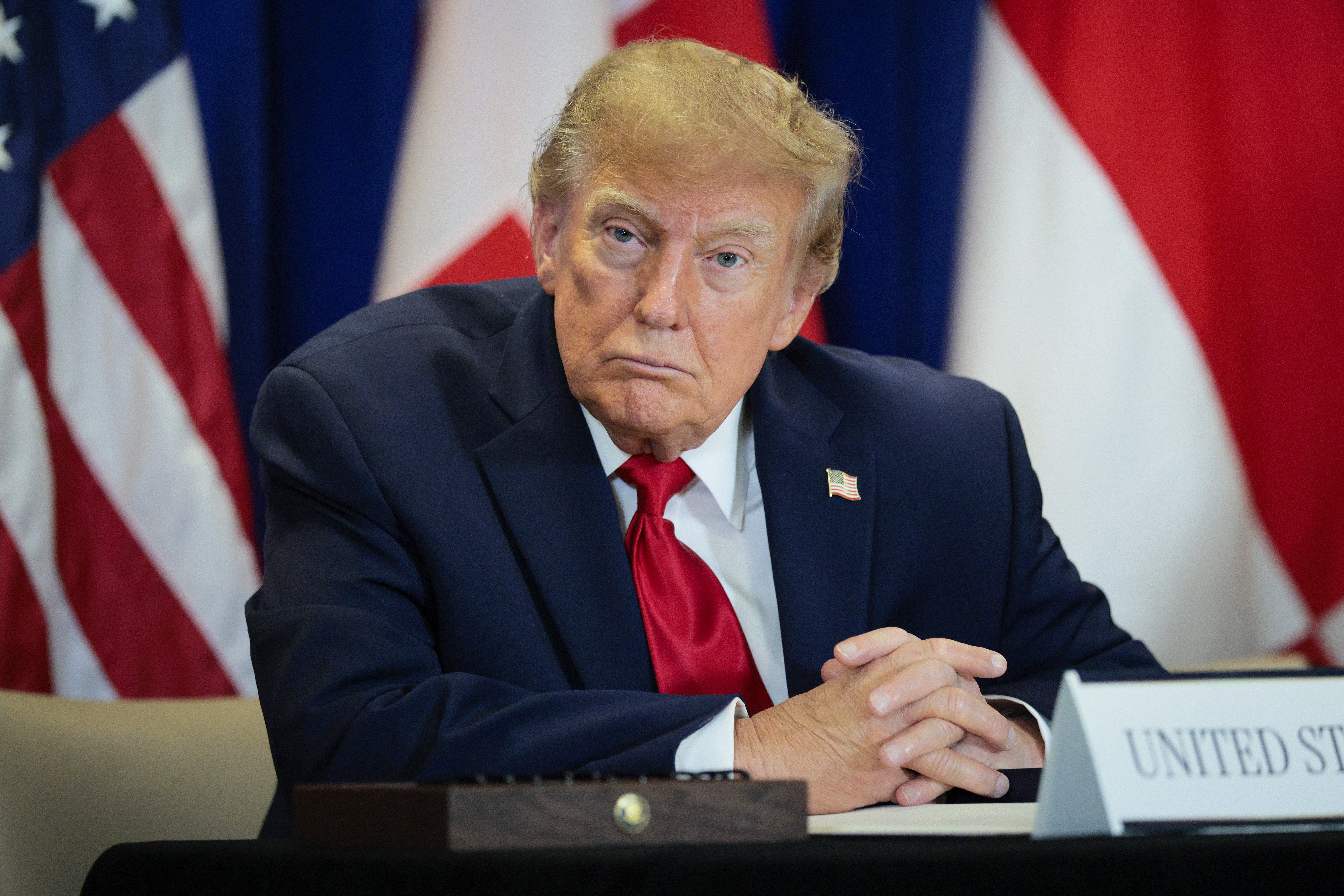
US President Donald Trump’s administration is pursuing a new diplomatic initiative that could offer Russia sanctions relief in exchange for the release of political prisoners, potentially opening a path toward renewed US-Russian economic ties even as the war in Ukraine continues, The Atlantic reported on September 29.
The proposal was developed by Trump’s envoy to Eastern Europe, John Coale, who presented the idea to the US president several months ago. Trump reportedly approved the initiative, which remains in its early stages.
We bring you stories from the ground. Your support keeps our team in the field.
Under the proposed framework, the Kremlin would release political prisoners, while Washington would respond by easing sanctions on the Russian economy. The approach could also pave the way for US business deals involving Russian oil, diesel, rare earth minerals, and other commodities.
According to The Atlantic, Coale previously pursued a similar strategy in Belarus, Russia’s closest ally. Through negotiations with Belarusian leader Alexander Lukashenko, Coale and other US diplomats secured the release of about 500 political prisoners, including several American citizens. In return, Washington eased some sanctions on Belarus and pursued a potential deal involving potash, one of the country’s most valuable exports.
-d04f8cd939c02c3bc156ac20306476c6.jpg)
The initiative comes shortly after Washington significantly expanded its economic measures against Moscow. On September 18, US President Donald Trump signed legislation imposing broad sanctions targeting Russia’s energy, defense, and maritime sectors.
Formally titled the “Lindsey O. Graham Sanctioning Russia and Iran Act of 2026” and widely known as the “sanctions bill from hell,” the law was named after the South Carolina Republican senator, who died in July and had long advocated tougher economic measures against Moscow. The legislation received final congressional approval after passing the House of Representatives, following its approval by the Senate the previous month.
-6e02d716f09e8a29396f95f77a10f591.jpg)
The law targets key sources of Russian revenue through secondary economic measures against third-party entities and gives the US president authority to impose tariffs on countries that continue purchasing Russian energy exports.
Before its passage, however, the legislation had stalled in the House amid concerns over expanded presidential tariff authority and opposition from major corporate lobbying groups. Despite clearing the Senate with a bipartisan 86–11 vote, the bill faced pushback from companies including ExxonMobil, General Electric, Ford, and Pfizer over concerns that the proposed tariffs could increase costs for US consumers.
Discuss this article:
-4a56a6b482ec132402c16ef6fcabf9a2.png)


-c439b7bd9030ecf9d5a4287dc361ba31.jpg "Photo of Katherina Popilnichenko")



-72b63a4e0c8c475ad81fe3eed3f63729.jpeg "Photo of Cyril Barabaltchouk")