- Category
- World
UK High Court Rules Insurers Do Not Owe $663 Million for Nord Stream Explosions
 Prefer U24 Media on Google
- Authors

-72b63a4e0c8c475ad81fe3eed3f63729.jpeg "Photo of Cyril Barabaltchouk")
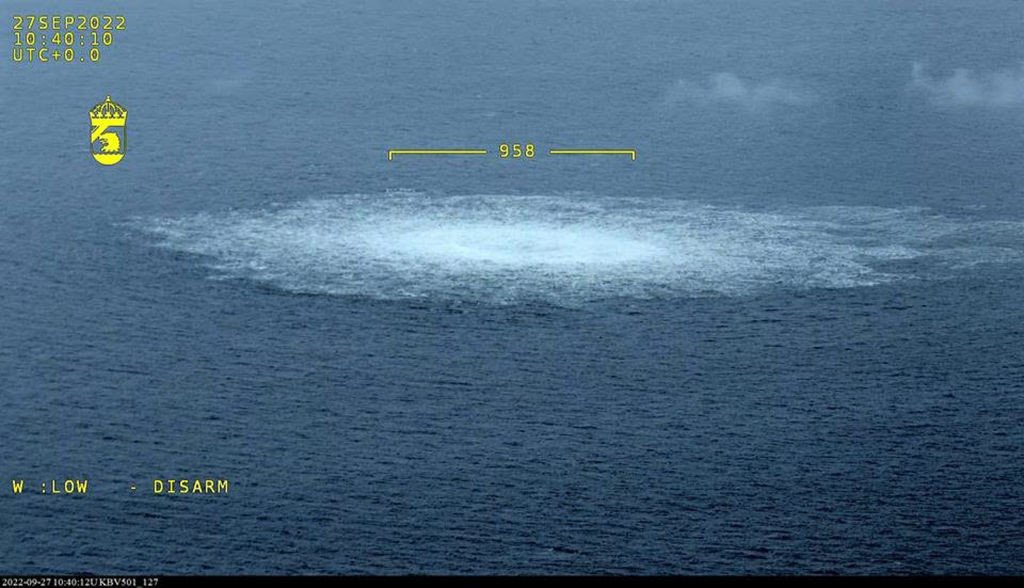
The High Court in London ruled that a group of Western insurers does not need to pay out a €580 million ($663 million) claim over the explosions that destroyed the Nord Stream gas pipelines, Financial Times reported on July 7.
Judge Dame Clare Moulder determined that a “war exclusion” clause applied to the insurance policies, allowing Lloyd’s of London, Arch, and other underwriters to avoid what would have been one of the largest infrastructure payouts in maritime history.
We bring you stories from the ground. Your support keeps our team in the field.
During the six-week trial earlier this year, Russia, Ukraine, and the United States were all raised as potential perpetrators of the September 2022 blasts in the Baltic Sea. However, the Financial Times highlighted that the judge was not required to identify the specific perpetrator to determine liability. Instead, the court found that under all plausible scenarios examined, the war between Russia and Ukraine served as a “significant” cause for the sabotage, meaning the damage was directly or indirectly a consequence of war and therefore excluded from coverage.
The ruling means international insurers will not have to transfer a massive settlement to Nord Stream 1 AG, a company 51% owned by Russia’s state-backed energy monopoly Gazprom.
Financial Times noted that, while no state has claimed responsibility for destroying three of the four pipeline strings off the coast of Denmark, German federal prosecutors recently filed formal charges against a Ukrainian national accused of planting the explosives from a yacht, following investigations and arrests conducted alongside Italian and Polish authorities.
The denied insurance payout deprives Russia’s state-backed energy network of cash at a time when the country’s financial sector faces deep distress. A confidential European intelligence report had previously warned of a potential banking crash in Russia as the war economy strains lenders.
This vulnerability is paired with upcoming EU sanctions aiming to blacklist 90 additional Russian financial institutions, alongside a sharp downgrade in Moscow’s growth forecasts. High default rates, record personal bankruptcies, and widespread cash hoarding are currently masked by state-subsidized credit programs for military factories, which analysts noted were merely delaying a major financial collapse.
Discuss this article:






-c439b7bd9030ecf9d5a4287dc361ba31.jpg "Photo of Katherina Popilnichenko")