- Category
- World
UK Hits Russia With 38 New Sanctions Targeting Oil Giants, Shadow Fleet and Crypto Exchanges
 Prefer U24 Media on Google
- Authors


The United Kingdom has imposed 38 new sanctions targeting Russian oil companies, shadow fleet tankers, cryptocurrency exchanges, and suppliers of equipment used in Russia’s military production.
According to UK’s Foreign, Commonwealth & Development Office on October 8, the latest measures aim to restrict Russia’s oil revenues, disrupt supply chains supporting its ballistic missile and drone production, and prevent Moscow from circumventing existing financial sanctions.
We bring you stories from the ground. Your support keeps our team in the field.
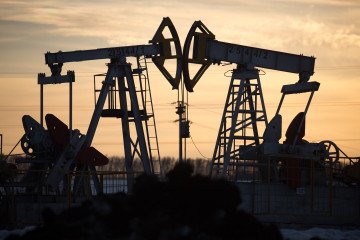
The new package includes sanctions against two Russian oil companies, Zarubezhneft and INK Capital, expanding restrictions on the country’s energy sector.
The British government said it had become the first G7 country to sanction Russia’s four largest oil companies. With the latest additions, UK sanctions now cover more than 90% of Russia’s total oil production capacity.
Beyond limiting revenue from oil exports, the measures are intended to prevent sanctioned companies from selling Russian oil under the names of entities that have not been targeted by restrictions.
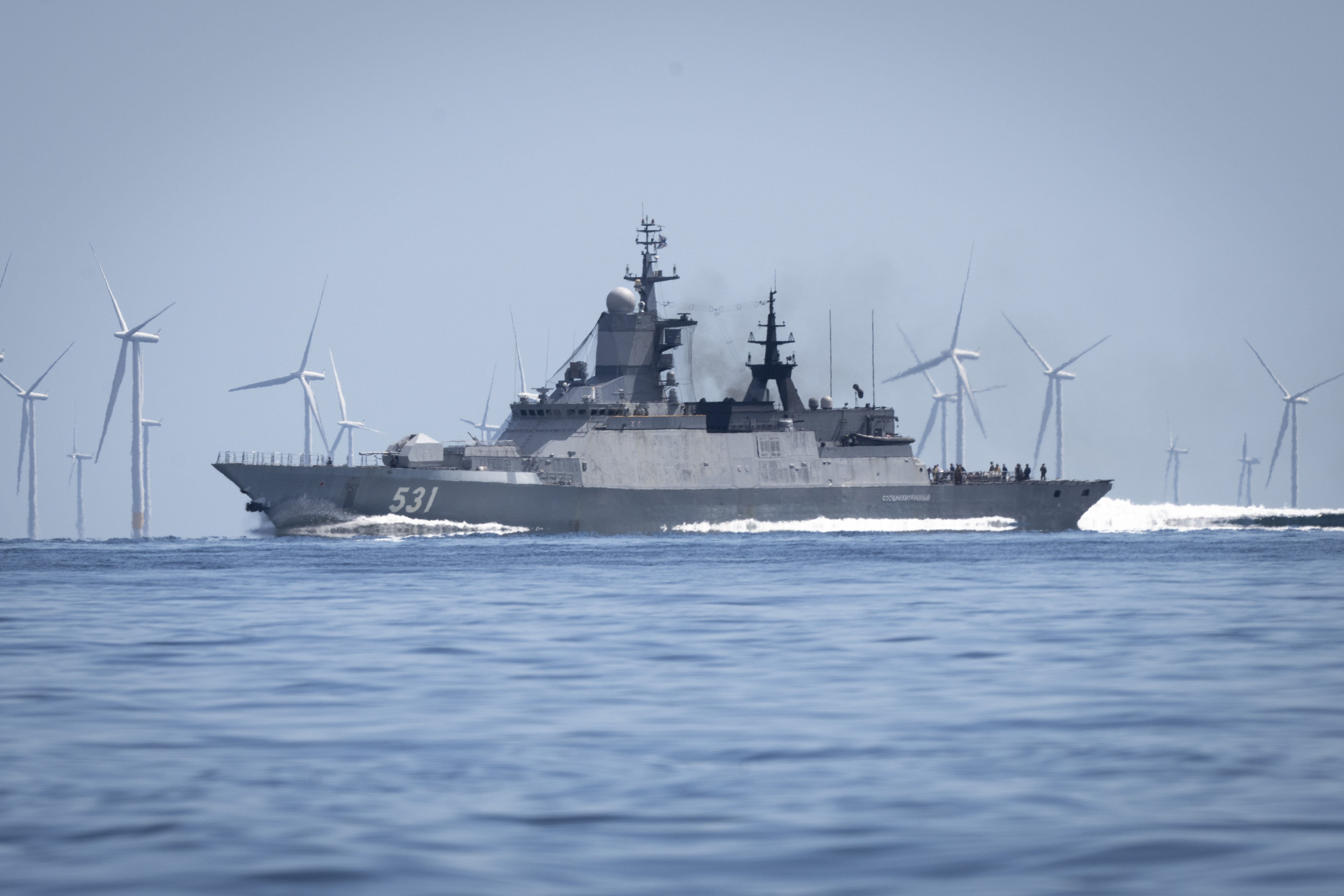
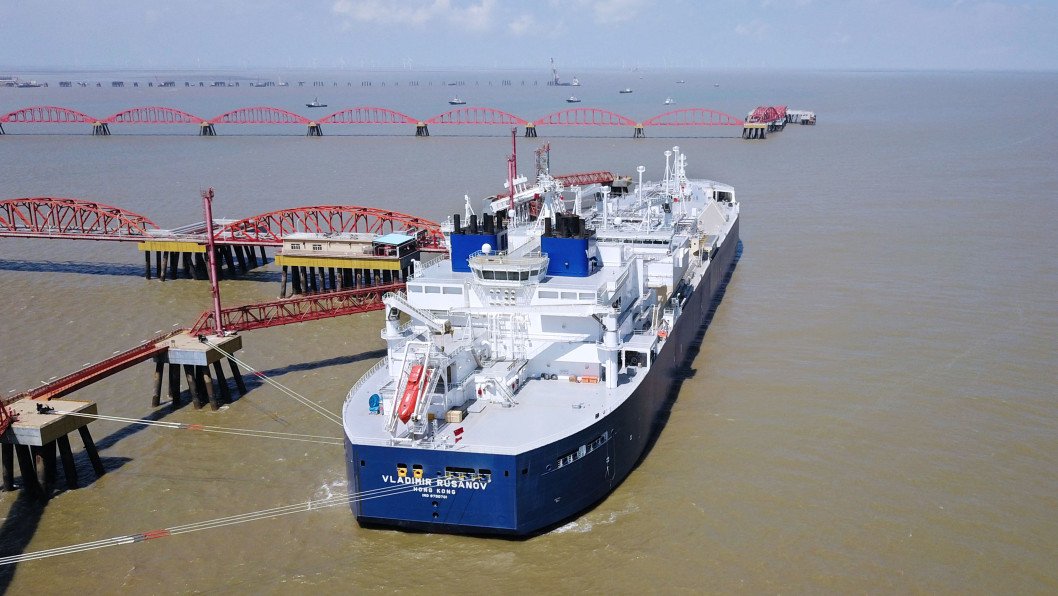
The UK also sanctioned 12 additional tankers operating as part of Russia’s shadow fleet, bringing the total number of vessels targeted by British sanctions to more than 600. According to the government, these tankers are part of a network used to transport Russian oil while circumventing international restrictions. Many shadow fleet vessels are more than 20 years old and engage in deceptive shipping practices, including operating under false flags.
Financial restrictions form another major component of the package, with sanctions imposed on three cryptocurrency exchanges, two payment platforms, and one individual. Three of the targeted platforms are linked to Kyrgyzstan.
British authorities suspect that these entities have helped Russia bypass financial sanctions, with two reportedly processing or facilitating transactions involving the Kremlin-backed A7 financial network. According to the UK government, the A7 network claimed to have transferred more than $90 billion last year, an amount equivalent to approximately half of Russia’s annual military expenditure.
-81832a4c5b6c559e60dac57a1b2b52df.jpg)
The sanctions also target 17 individuals and entities involved in supplying goods considered essential to Russia’s military production. These include so-called Common High Priority goods, a category identified by the UK, United States, and European Union as particularly important to Russia’s war effort.
Among those targeted are Russia-based importers of machine tools, electronics, and materials used in the production of ballistic missiles and drones. The British government said such equipment frequently reaches Russia through intermediaries in third countries, allowing suppliers to conceal trade that supports Moscow’s military-industrial sector.
The latest measures follow another round of British sanctions announced just a week earlier. On October 1, the UK introduced 31 additional designations targeting Russian LNG shadow fleet vessels, Kremlin-linked disinformation networks, and individuals accused of torturing Ukrainian civilians and indoctrinating children forcibly deported from Ukraine.
Discuss this article:


-72b63a4e0c8c475ad81fe3eed3f63729.jpeg "Photo of Cyril Barabaltchouk")

-111f0e5095e02c02446ffed57bfb0ab1.jpeg "Photo of Roman Kohanets")