- Category
- World
Russian Oil Gets Too Expensive for India as Imports Sink to Lowest Level Since 2022
 Prefer U24 Media on Google
- Authors


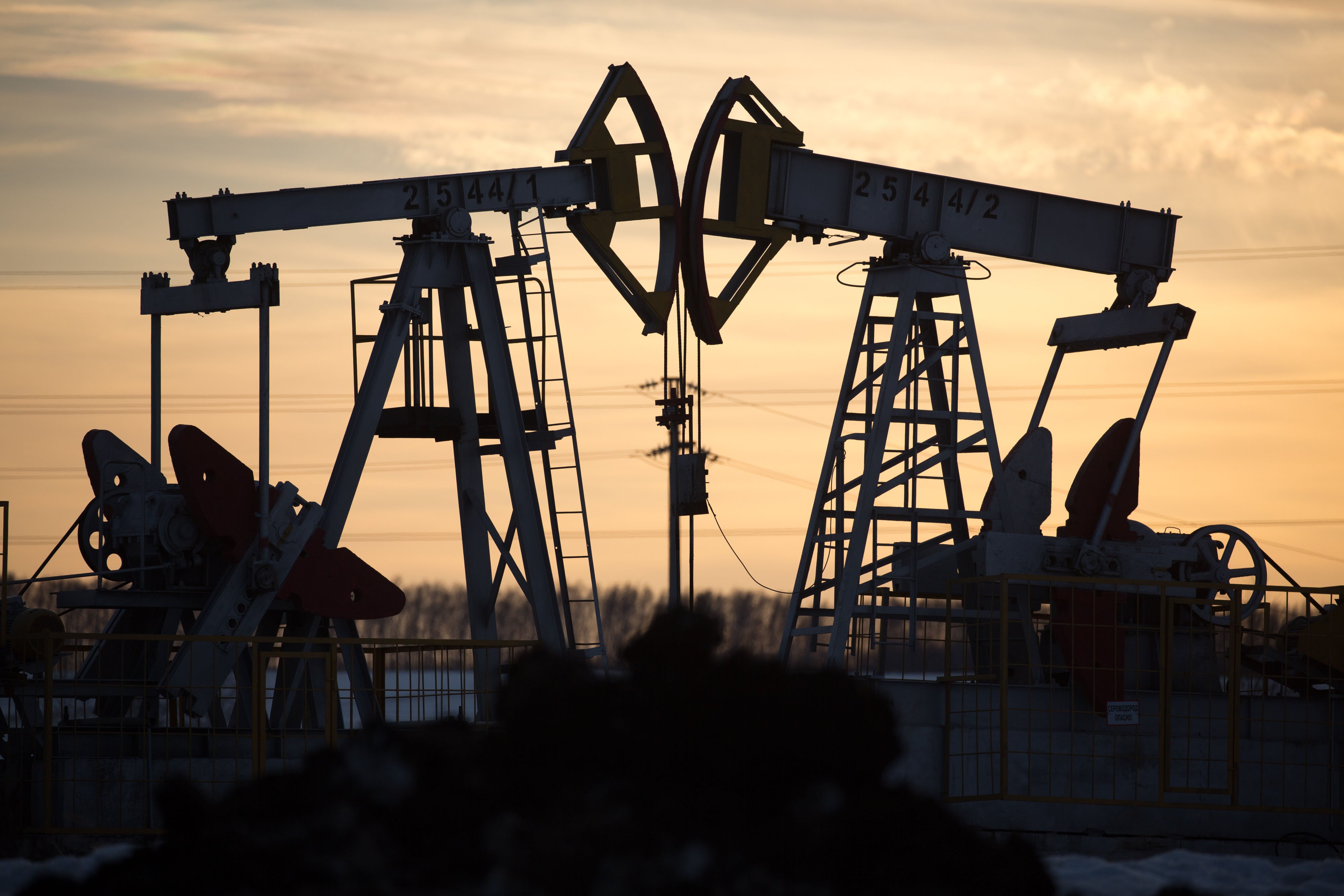
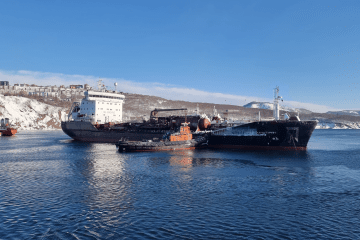
Indian refiners are cutting purchases of Russia’s flagship Urals crude for November delivery as higher prices erase much of the discount that helped Russian oil capture a dominant share of the Indian market after the full-scale invasion of Ukraine, Bloomberg reported on October 8, citing people familiar with the matter.
The pullback is being driven primarily by economics rather than political pressure. Urals crude loaded at Russia’s Baltic ports is now being offered at a premium of more than $10 per barrel to Dated Brent, according to Bloomberg’s sources, making it far less attractive to Indian buyers than it was when Russian barrels were sold at steep discounts.
We bring you stories from the ground. Your support keeps our team in the field.
Cargoes that once undercut competing grades by a wide margin are now priced close to crude from the Middle East, prompting Indian refiners to reconsider suppliers in the Persian Gulf. Some Russian barrels originally aimed at India are also being offered to independent Chinese refiners as traders look for alternative buyers.
India, the world’s third-largest crude importer, had already begun reducing its exposure to Russian oil after the adoption of new US sanctions legislation raised the threat of punitive tariffs. However, Bloomberg’s sources said pricing has now become the more immediate factor shaping purchasing decisions.
Russia’s share of Indian crude imports fell to about 35% in September, according to analytics firm Kpler, down sharply from a peak of 56% in July. The drop reflects both growing sanctions risk and the narrowing price gap between Russian and competing crude grades.
-e5f8e0b33248c353a582c8075b57fd26.jpg)
The decline is also visible in tanker-tracking data. During the four weeks through October 4, Russian crude shipments averaged only about 310,000 barrels per day, according to Bloomberg data—the lowest level recorded since March 2022, shortly after Russia launched its full-scale invasion of Ukraine.
China and India remain the two largest buyers of Russian crude, although the final destination of many cargoes is not always fixed when tankers leave port. Traders often decide where to send individual shipments while the vessels are already underway, depending on prices, sanctions exposure, and demand.
Earlier, the US House of Representatives passed bipartisan legislation granting US President Donald Trump expanded authority to impose tariffs of up to 100% on the top importers of Russian oil and gas in an effort to squeeze Moscow’s war revenue.
Discuss this article:


-72b63a4e0c8c475ad81fe3eed3f63729.jpeg "Photo of Cyril Barabaltchouk")

-111f0e5095e02c02446ffed57bfb0ab1.jpeg "Photo of Roman Kohanets")